











Employee Appreciation Gifts by DiSC Style

Employee Appreciation Week
is March 2 - 6!
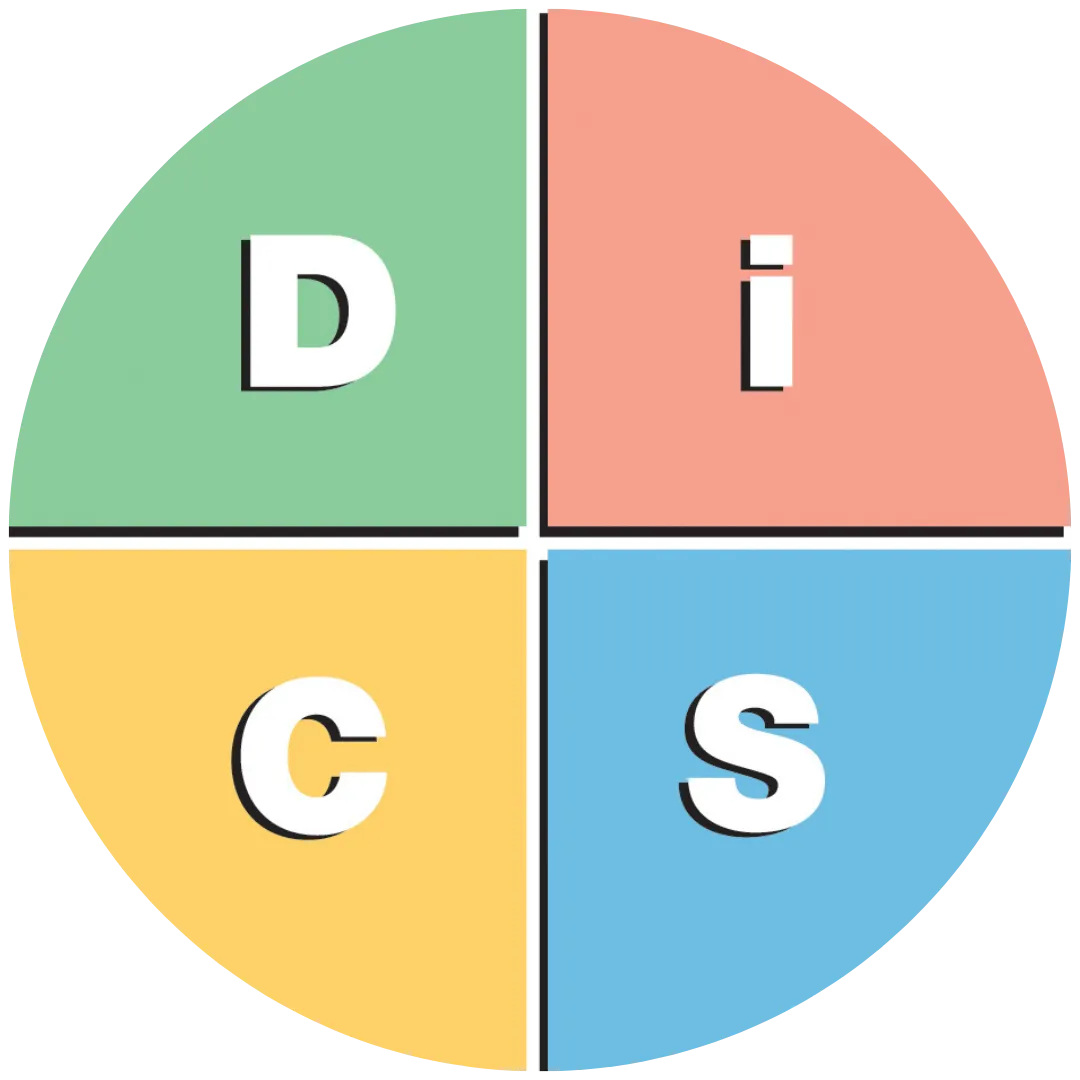
One-size-fits-all recognition is easy, but it rarely hits the mark. Your employees bring different personalities, needs, and preferences to work every day, and their DiSC styles highlight what makes each of them feel genuinely appreciated.
This gift guide turns Everything DiSC insights into practical gift ideas for every style, helping you celebrate Employee Appreciation Week in a way that feels thoughtful, tailored, and motivating for every member of your team.
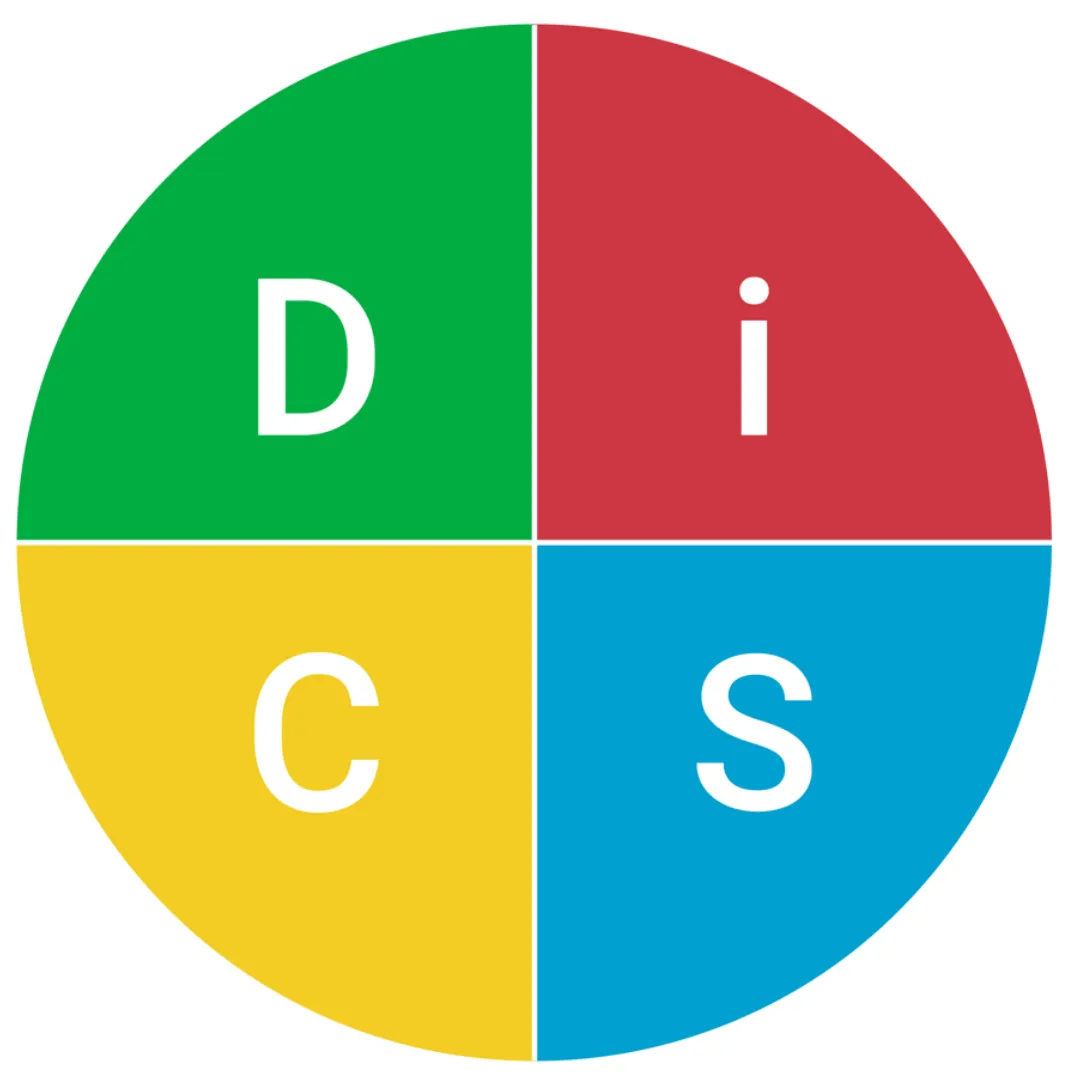
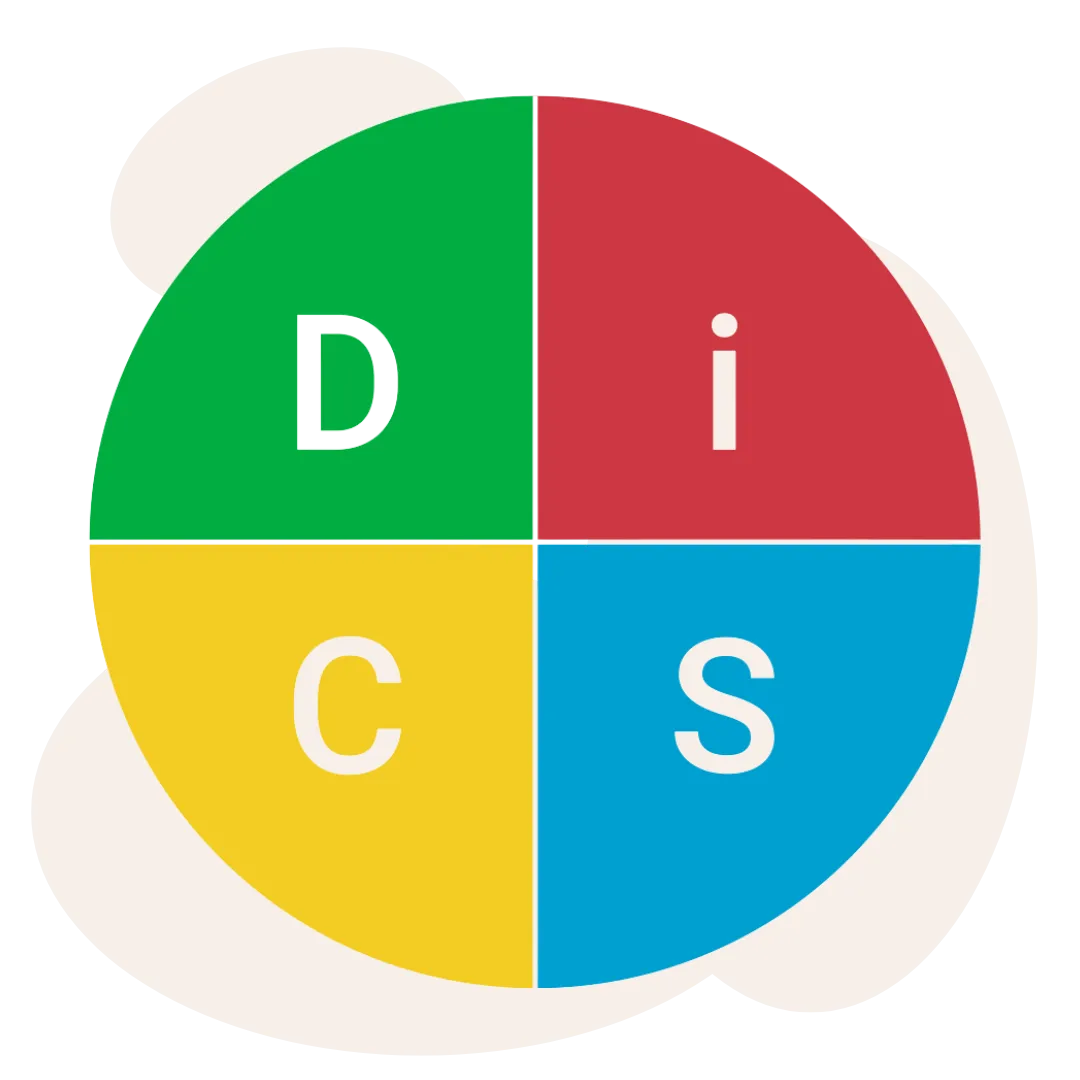
Dominant Style: Direct and Results-Focused
People with a D-style value productivity, autonomy, and visible impact.
Include a brief note that says:
"Thanks for driving results on our toughest projects. Your decisiveness and willingness to take change make a real difference for our organization."
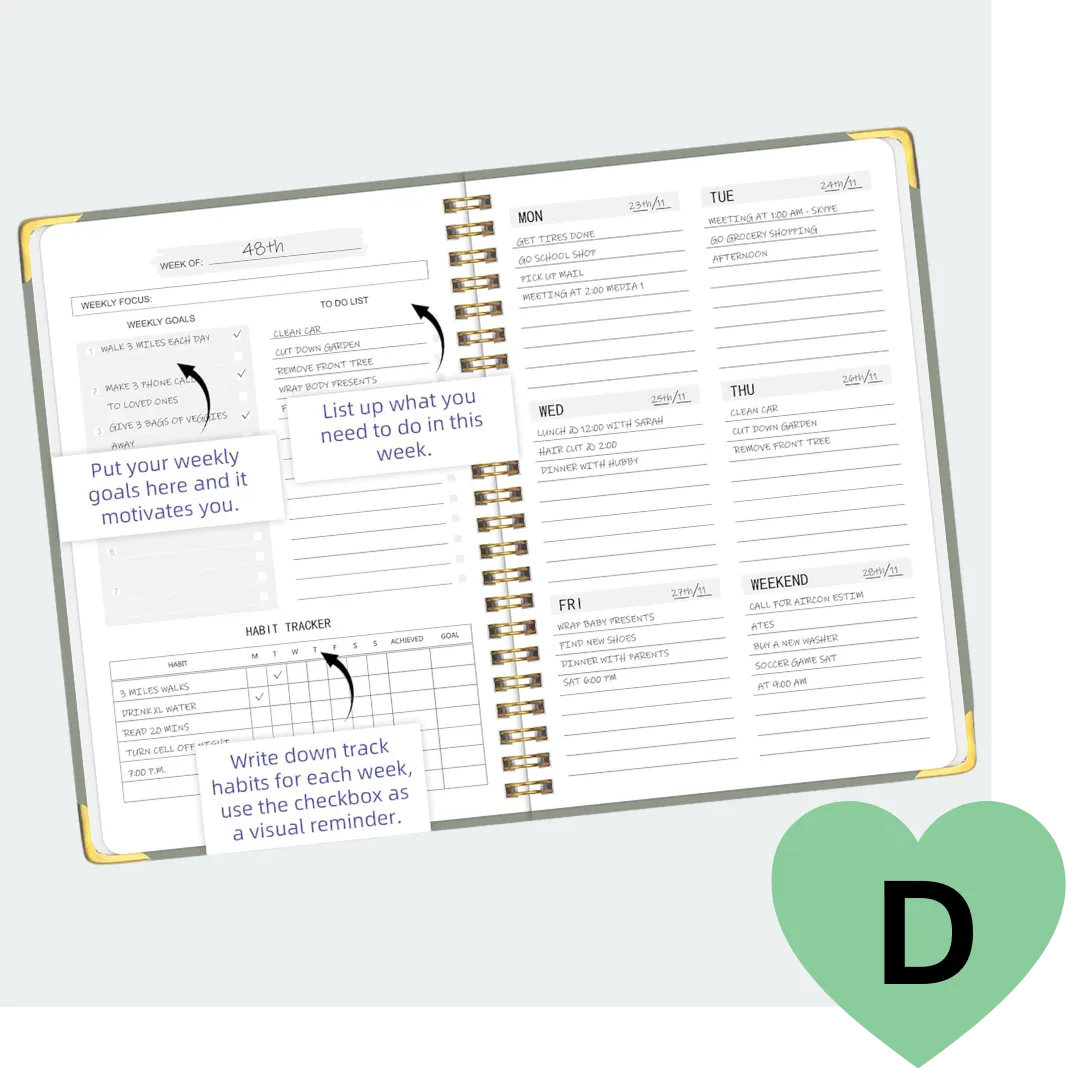
Goal & Habit
Tracker
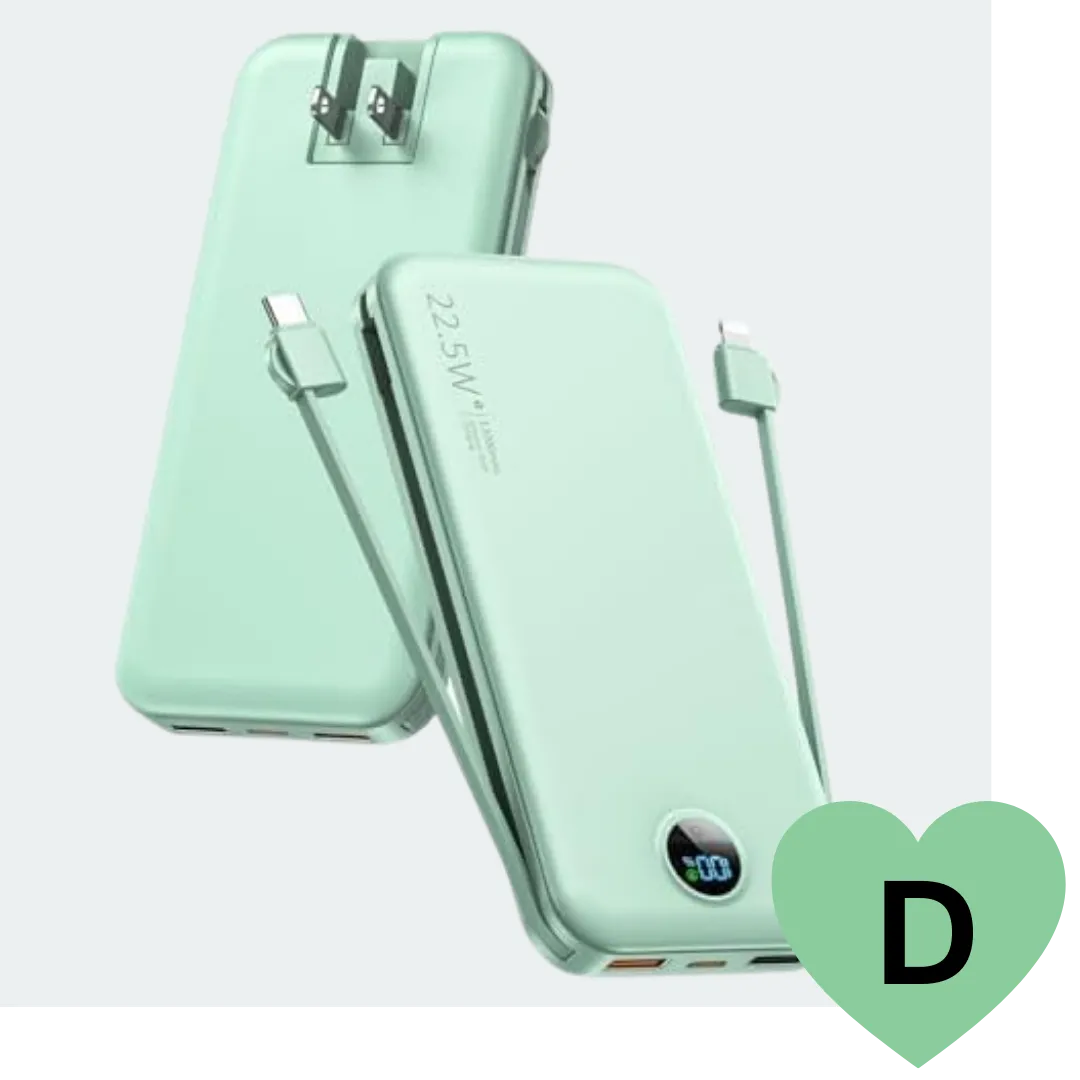
Portable Fast
Charger
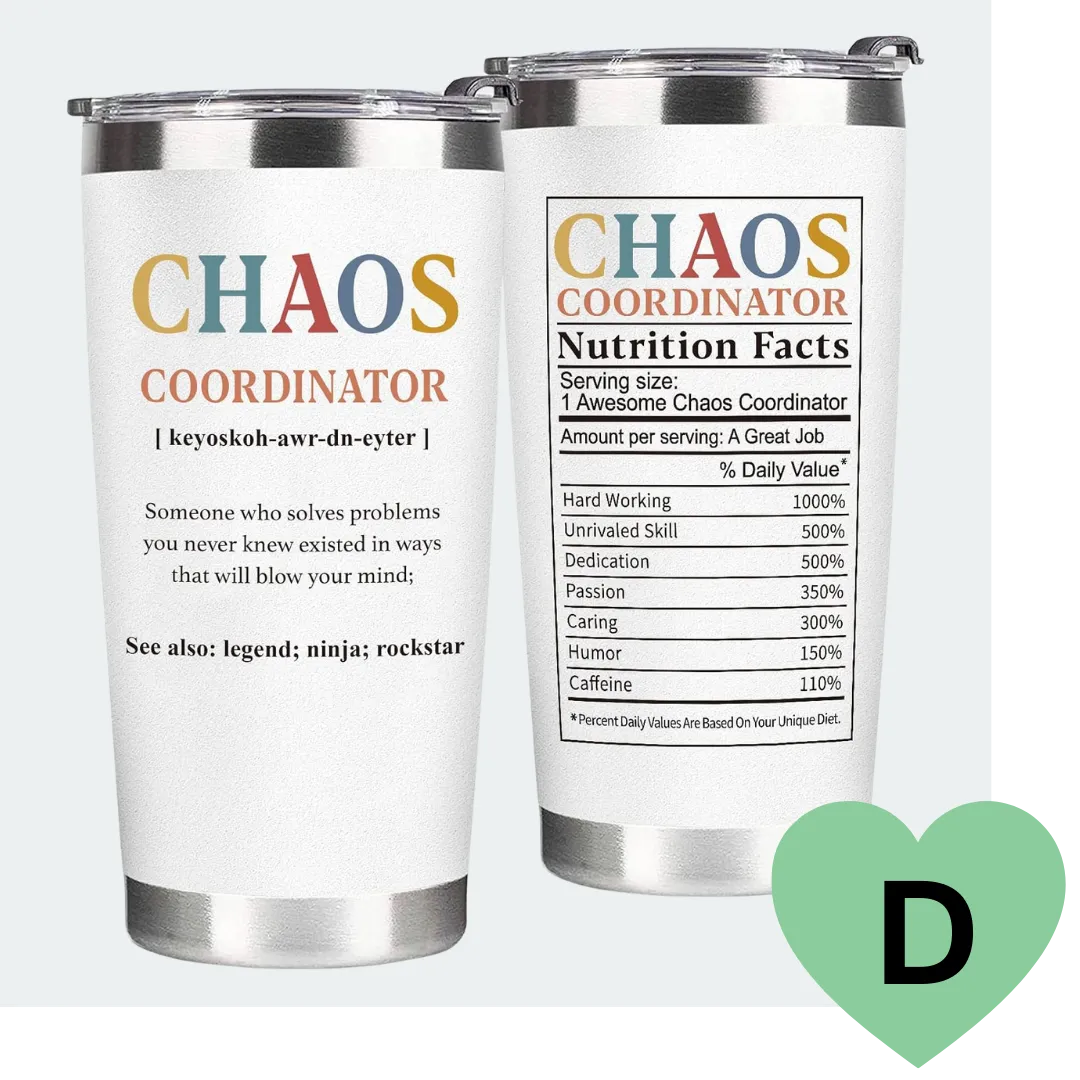
Problem Solving
Travel Mug

Influence Style: Outgoing and Innovative
People with an I-style love energy, recognition, and connection.
Personally deliver the gift or give them a call and say:
"Your energy and positivity make work more fun and keep our team connected. Thank you for the way you bring people together."
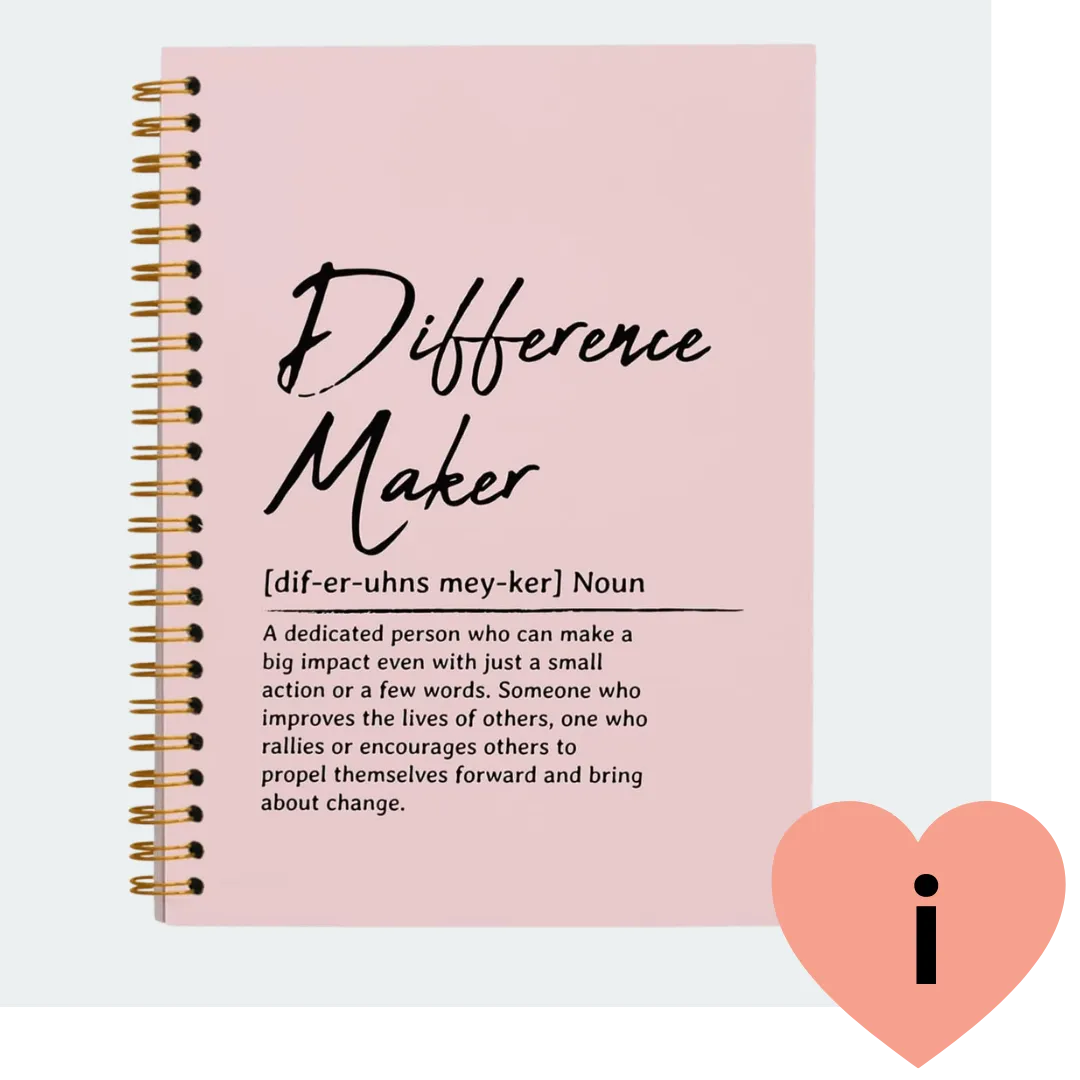
Inspiring Idea
Journal
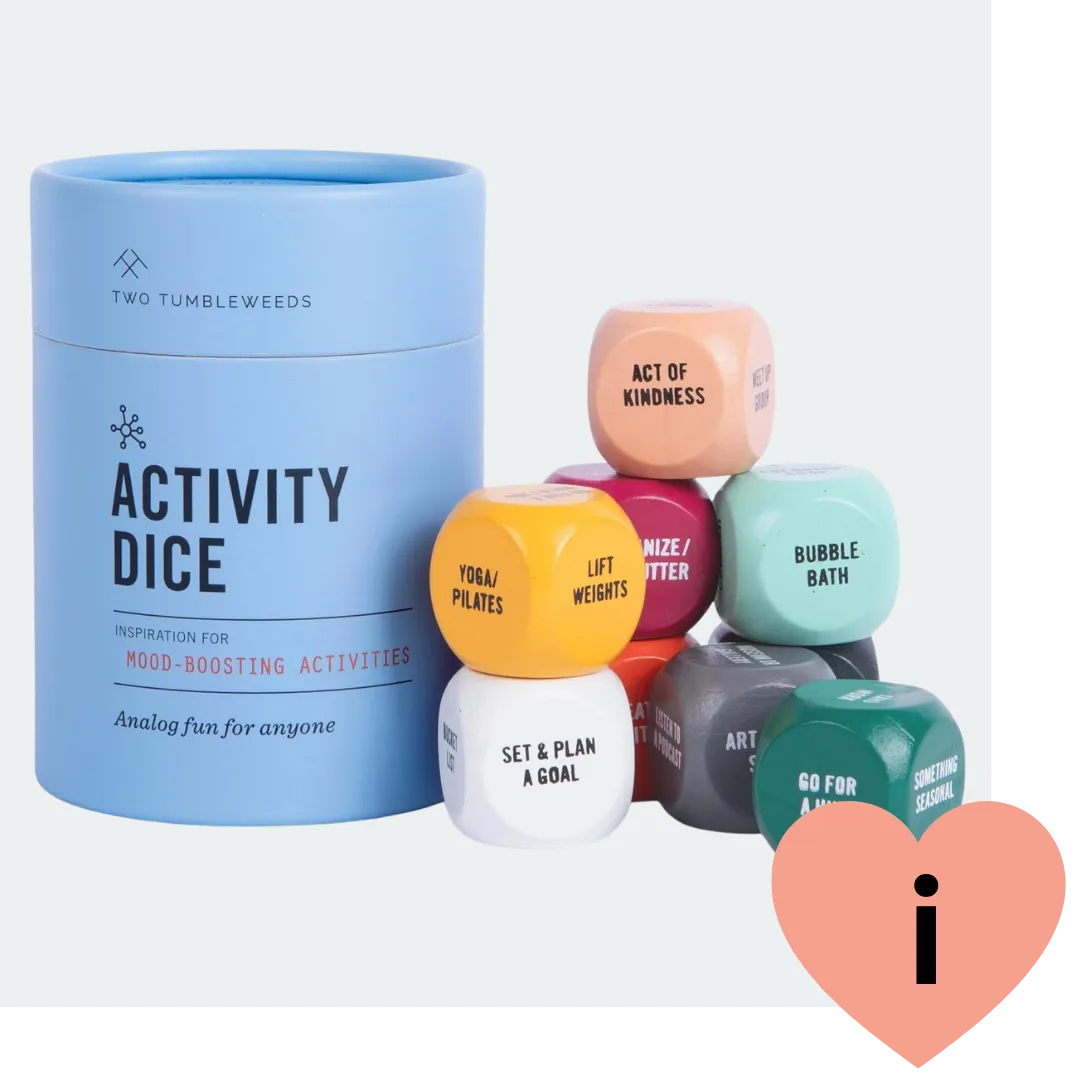
Mood Boosting
Desktop Game
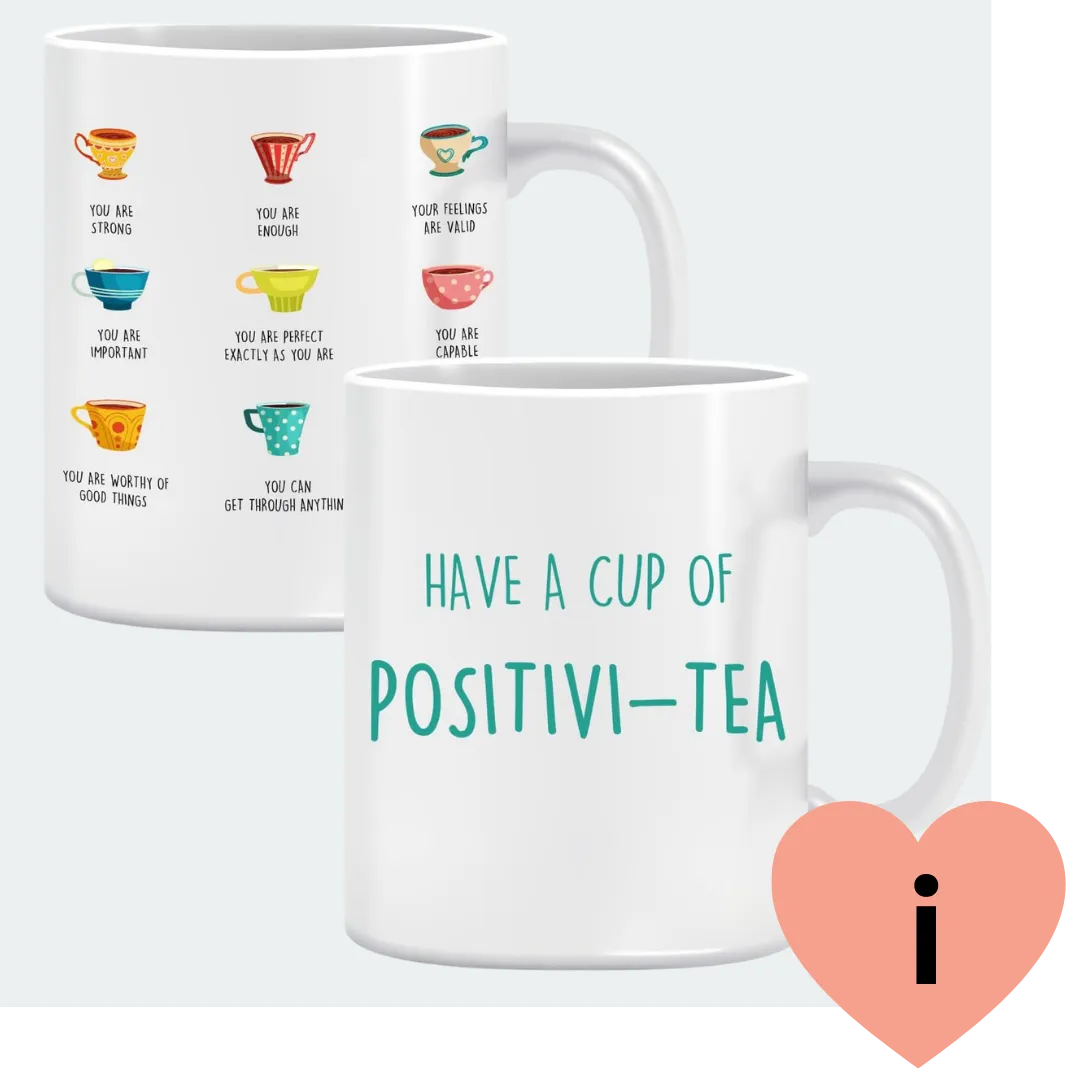
Positivi-Tea
Affirmation Mug

Steadiness Style: Helpful and Supportive
People with an S-style appreciate stability, collaboration, and feeling genuinely cared for.
Personally deliver the gift or give them a call and say:
"Thank you for being the steady, reliable presence our team can count on. I appreciate your kindness and support."
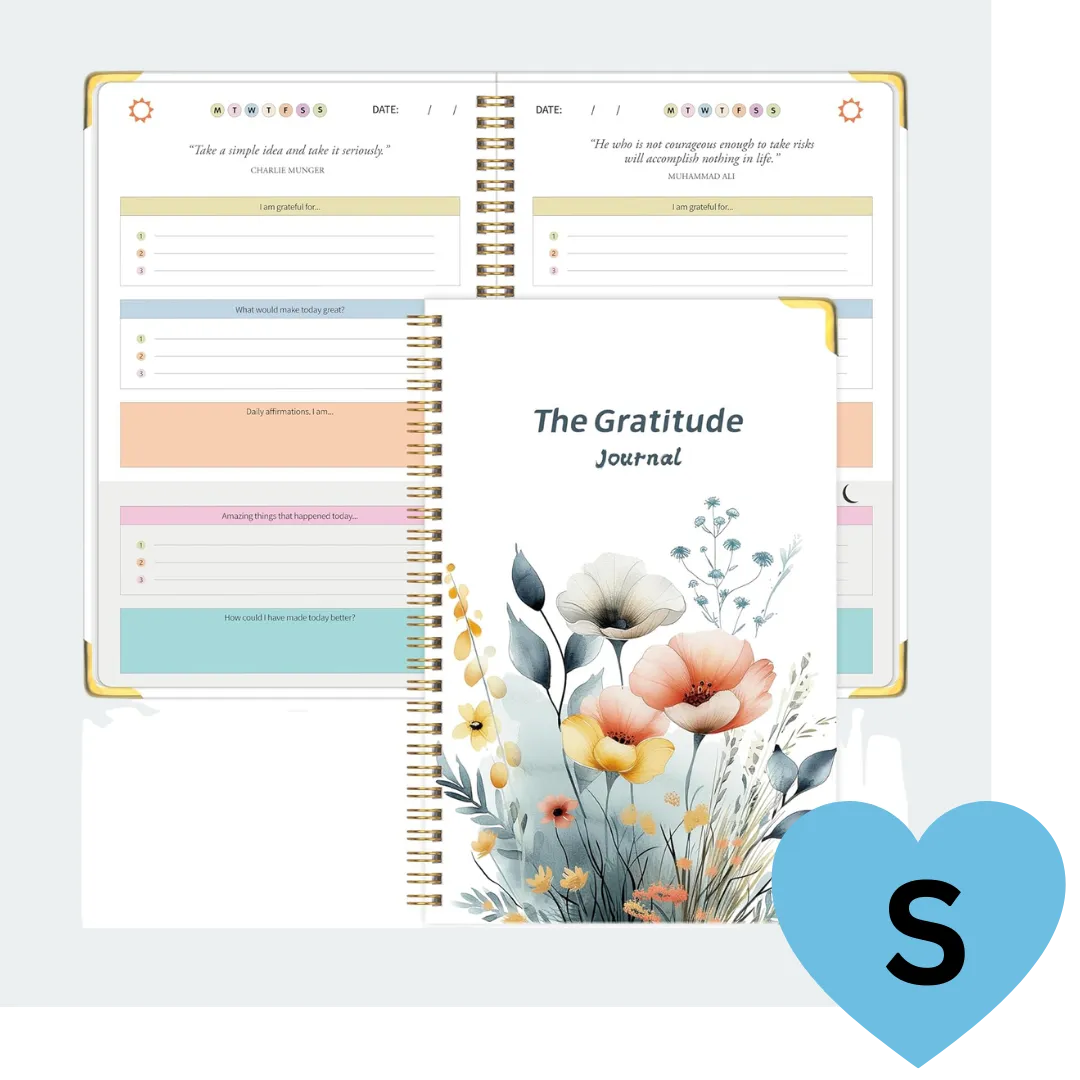
Gratitude
Journal
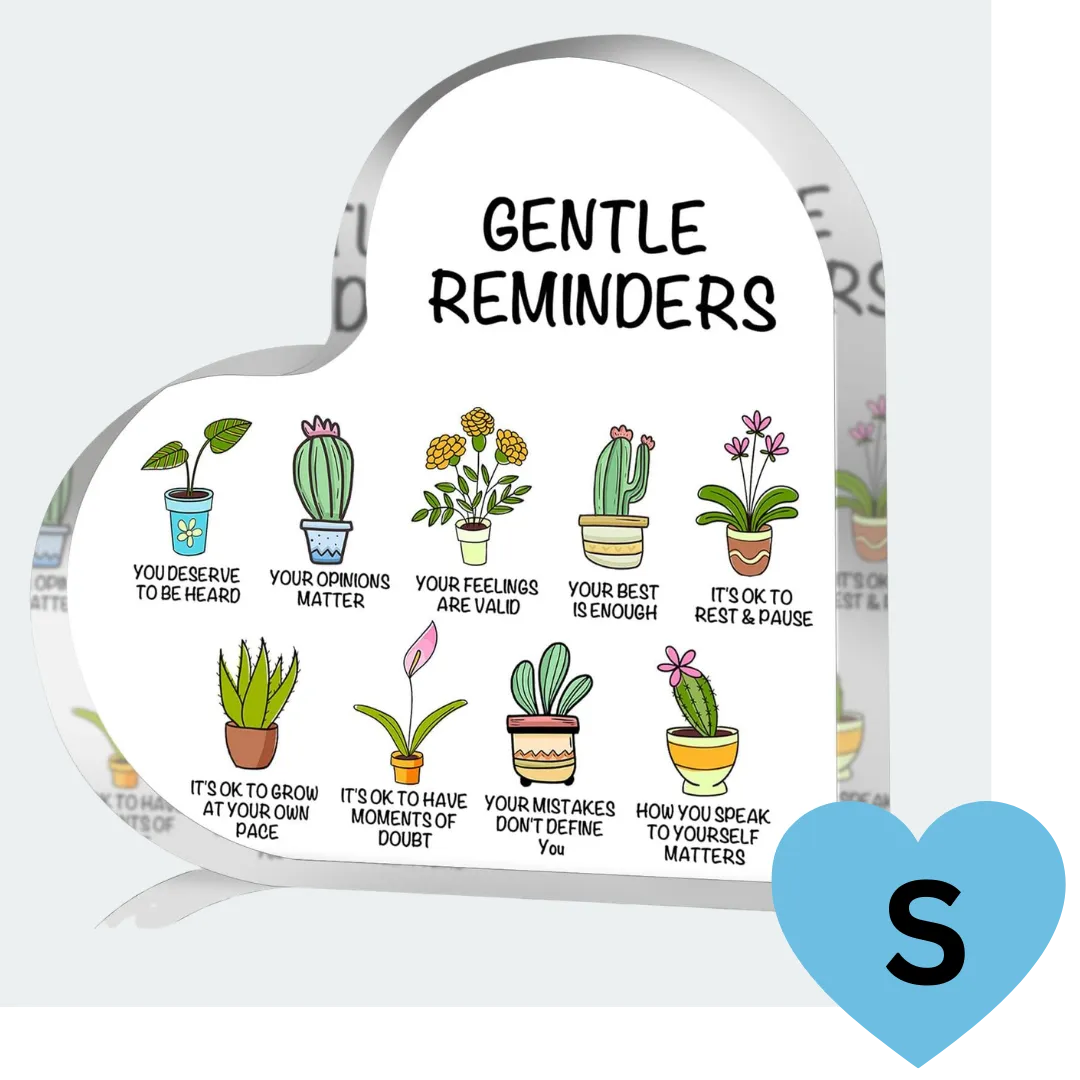
Affirmation
Paperweight

Warm and
Cozy Candle

Conscientious Style: Analytical and Quality-Focused
People with a C-style value expertise, accuracy, and high standards.
Include a hand-written note that says:
"Your attention to detail and commitment to quality raise the bar for all of us. Thank you for the thought you put into getting things right."
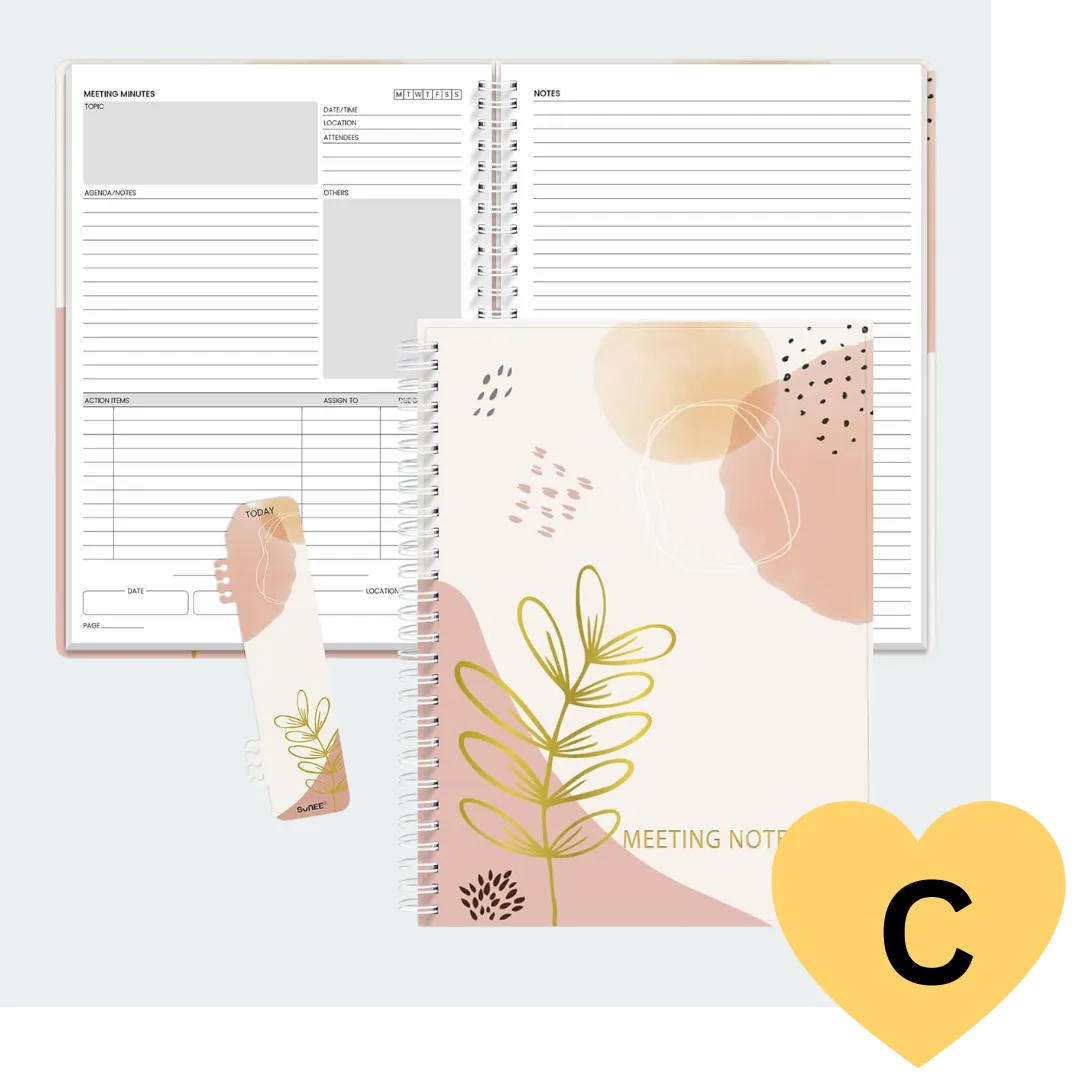
Meeting & Note
Taking Journal
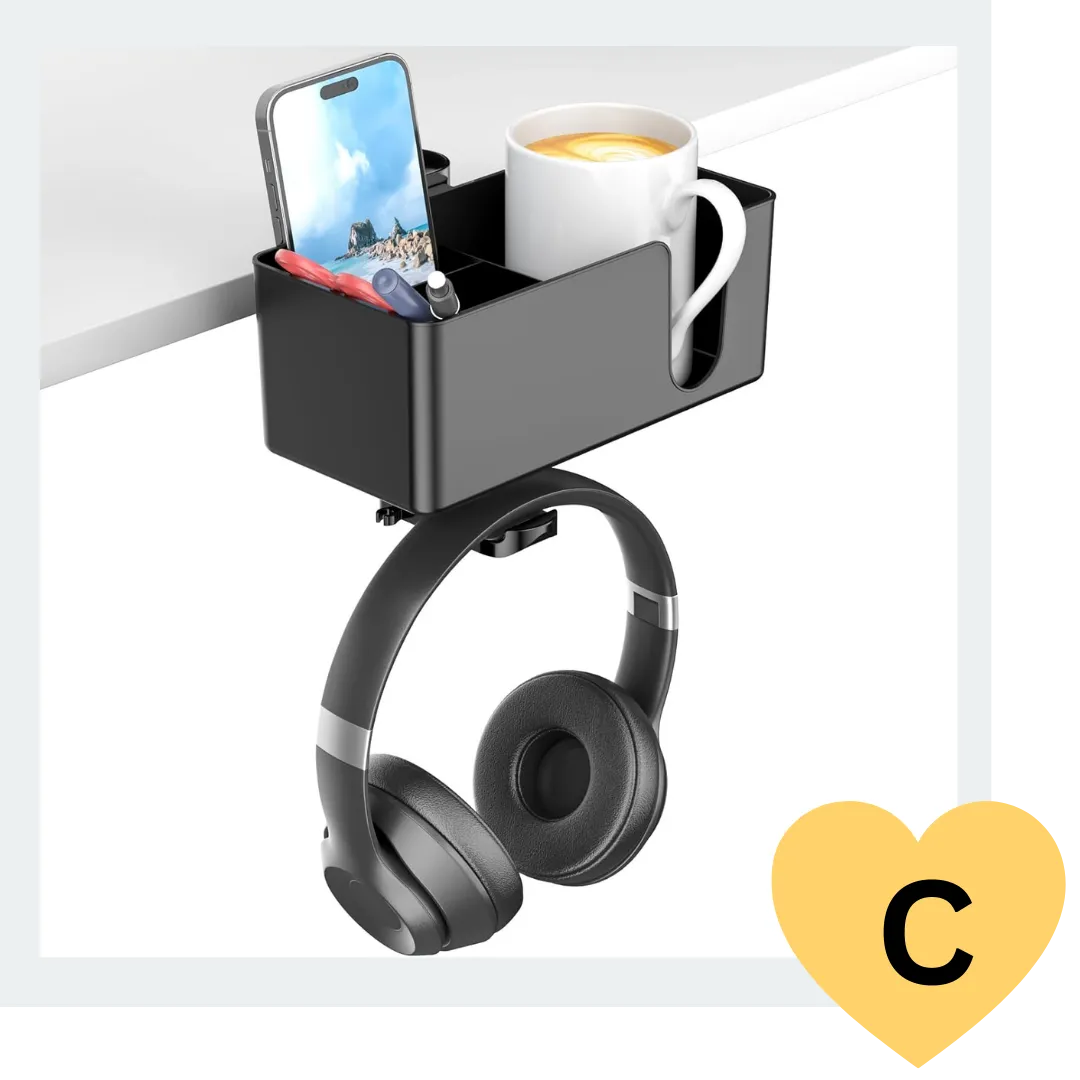
Desk
Caddy
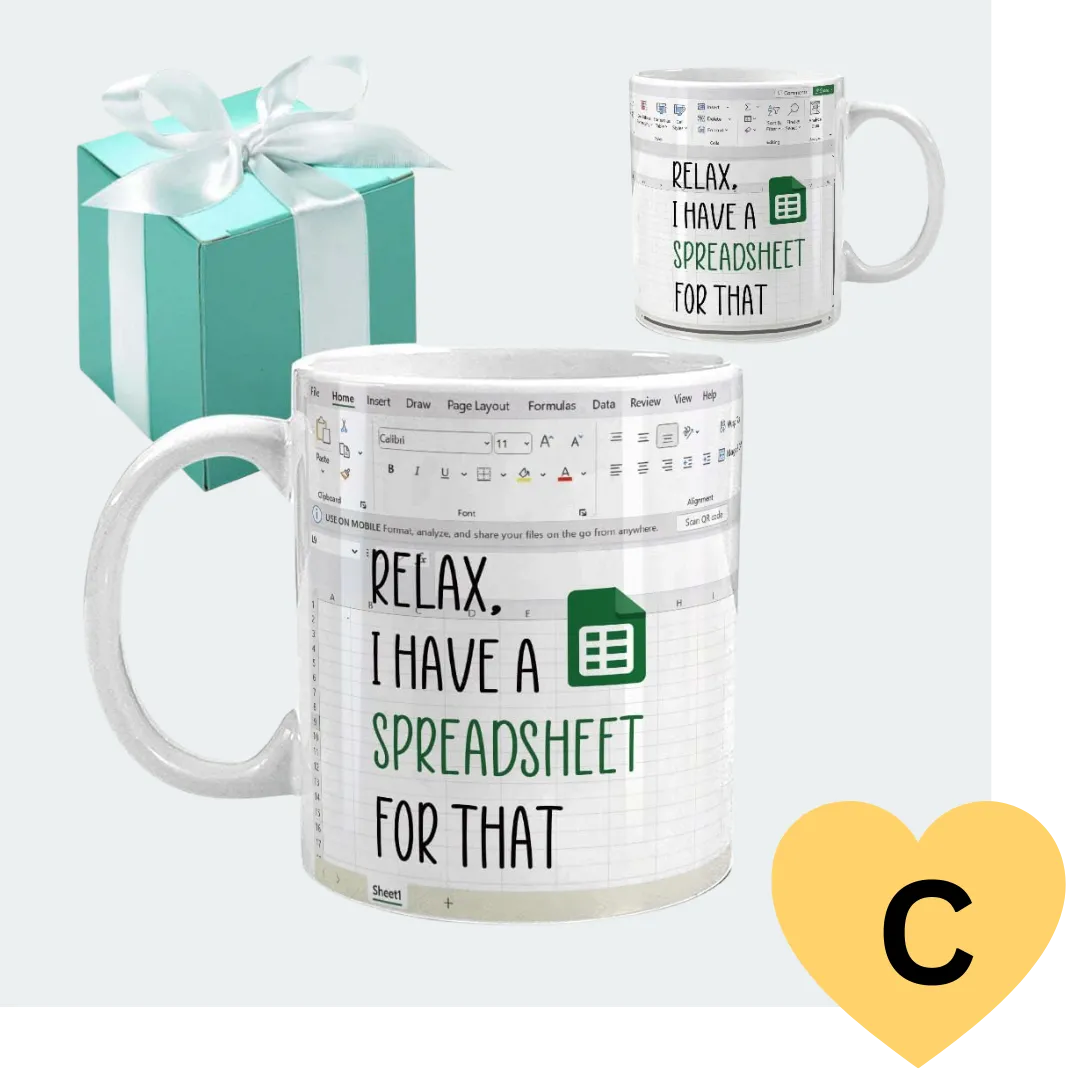
Spreadsheet
Mug
Here's a quick & insightful team building exercise!
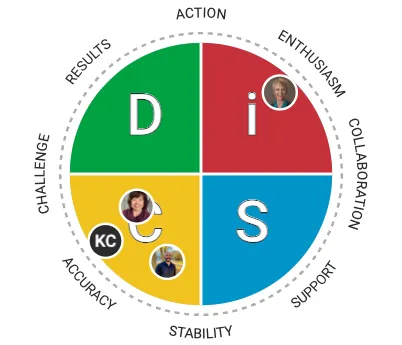
Log on to www.Catalyst.EverythingDiSC.com
Click on Groups & Create Group to build your team's DiSC composite DiSC profile
In your next team meeting, click on Group Insights to explore your team's profile
Use the Conversation Starters to get to know your team, make better decisions together, and communicate more clearly
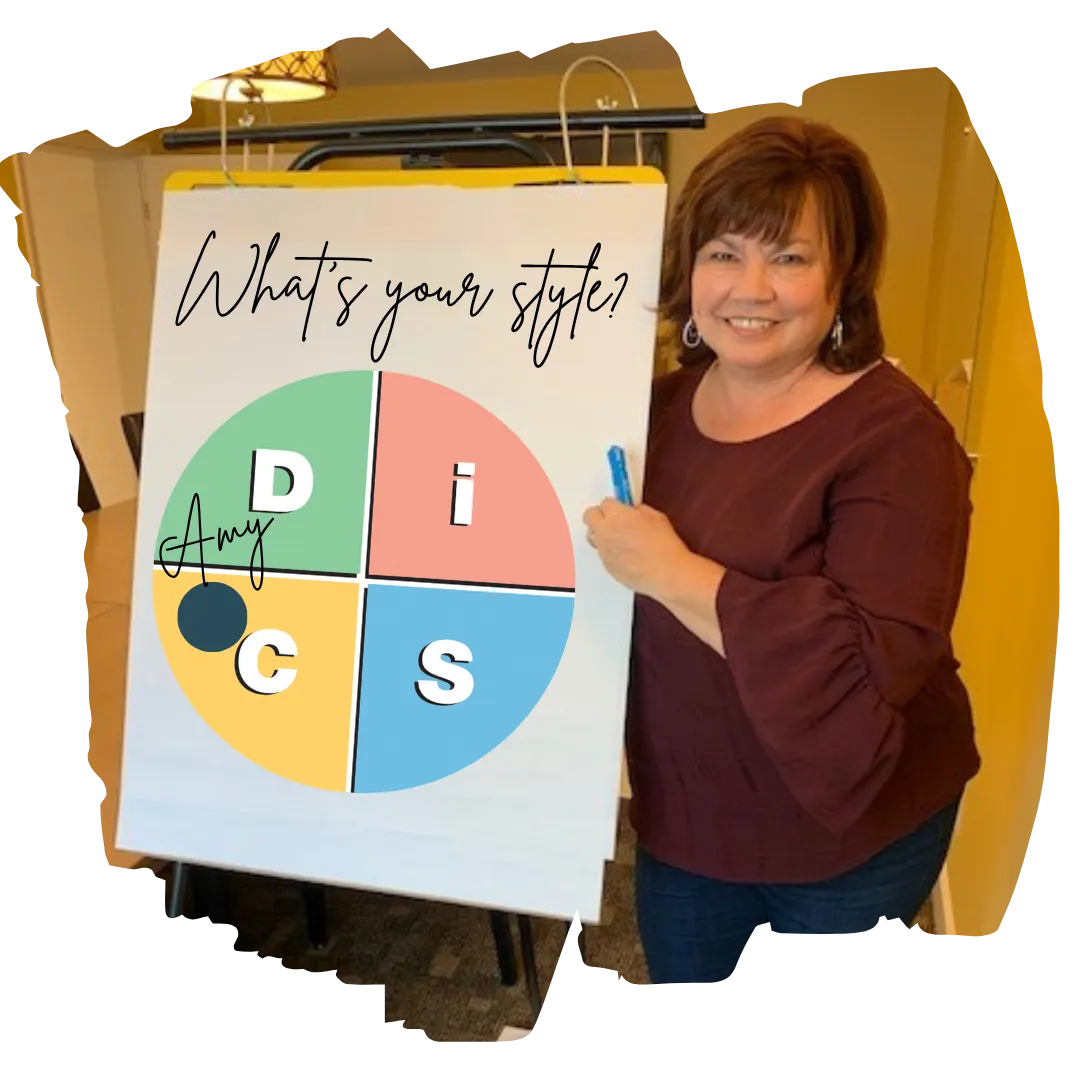
Hi. I'm Amy Pearl.
Thank you for visiting our website. I hope you find some great employee appreciation gift ideas here. You'll find Amazon affiliate links on this page, meaning we earn a small commission if you buy through these links at no extra cost to you. We appreciate your business.
Need more ideas for recognizing and building your team? Let's hop on a call and brainstorm ideas.
Click the images below to achieve your goals.

Assessment
Solutions
Explore our assessments for candidate screening, development, team building, succession planning, and more.

Fabulous
Together
Give the women in your organization the coaching, confidence, and connections they need to have successful careers and a fabulous lives.

e-Learning
Made Easy
Create an amazing learning experience
whether your team is
at the office, at home, or on the go.

Lead
Ignited
Be the best leader you can be
with this award-winning
learning opportunity.

Collaboration
Breakthrough
Create a workplace you love with our best-selling book, employee survey, and interactive team experience.

Coaching
Conversations
Replace your archaic review process
with an online system to
guide GREAT conversations.
Download the Best Interview Questions
for Virtual Job Candidates
Check out our recent news and blog.
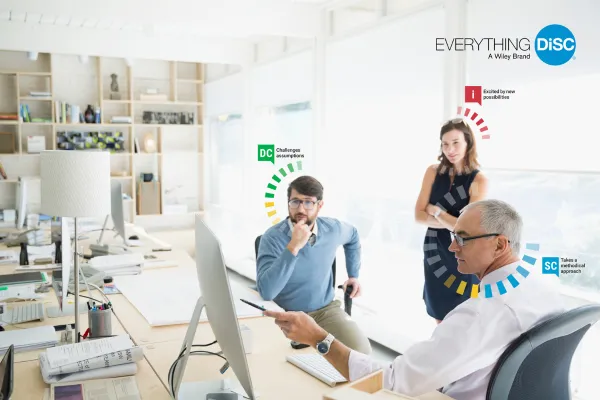
How can I get free DiSC group reports?
Quick Answer:
If you have access to the Everything DiSC Catalyst Practitioner Experience (CPE), you can generate both the Group Culture Report and the Facilitator Report at no additional cost. These reports normally run 25 credits each or $150 before volume pricing kicks in. The CPE eliminates that cost entirely, making it a lot easier to use group data regularly, not just on special occasions. In this post, you'll learn what each report includes, how to access them for free through the CPE, and five ways to put the Facilitator Report to work in your next team session.
Why Group Reports Change the Conversation
Individual DiSC profiles are powerful. When someone reads their own results, they usually nod along and say, "That's so me." But something different happens when a team sees their composite profile for the first time. The conversation shifts from "here's what I learned about myself" to "oh, that's why we do that as a team."
I've watched it happen gazillions of times. A group sees their map and suddenly things start to click. They can see the team's collective strengths laid out visually. They can see how the team might be perceived by others, including the good, the bad, and the ugly. 😉
Most importantly, it fast-tracks ideas for how the team can improve their meetings, their decision making, their planning, their relationships, and even how they manage projects together. That kind of insight doesn't come from reviewing individual profiles side by side. It comes from the group-level view.
The problem is that many facilitators don't realize these reports exist, or they assume they're an expensive add-on reserved for big engagements. If you have the Catalyst Practitioner Experience, they're completely free. And once you start using them, you won't want to go back to facilitating without them.
What's in Each Report?
There are two group reports that serve slightly different purposes.
The Group Culture Report takes a collection of DiSC profiles and shows you the big picture: what kind of culture this group likely creates together. You'll see which styles are most prevalent, what the team tends to prioritize, what it may unintentionally overlook, and the built-in advantages and blind spots of that cultural mix. It also includes discussion questions designed to spark honest conversation. This is the report I recommend sharing with the whole team because it creates a shared language for talking about group dynamics without putting any one person on the spot. Download a sample Group Culture Report here.
The Facilitator Report includes everything in the Group Culture Report, plus a detailed breakdown of each person's primary and secondary style. This is the one I always share with team leaders after a workshop. It gives them a reference they can return to whenever they're thinking about communication, conflict, delegation, or team dynamics. It's practical in a way that individual profiles alone can't quite replicate, because it shows the whole picture at once. Download a sample Facilitator Report here.
Both reports cost 25 credits each if you're not using the Certified Practitioner Experience, which can be $150 or more per report depending on your credit pricing. When you're running multiple teams through DiSC, those costs add up quickly.
How Do You Get Them for Free?
To access your free reports, you must first have the Catalyst Practitioner Experience and access to the Catalyst Administrative Dashboard. Need help accessing those? It takes 5 minutes. Schedule a call with me.
To order a free report:
Click Admin View in the upper menu of your Catalyst account.
Select Groups in the left menu. Select a Group or create one if necessary.
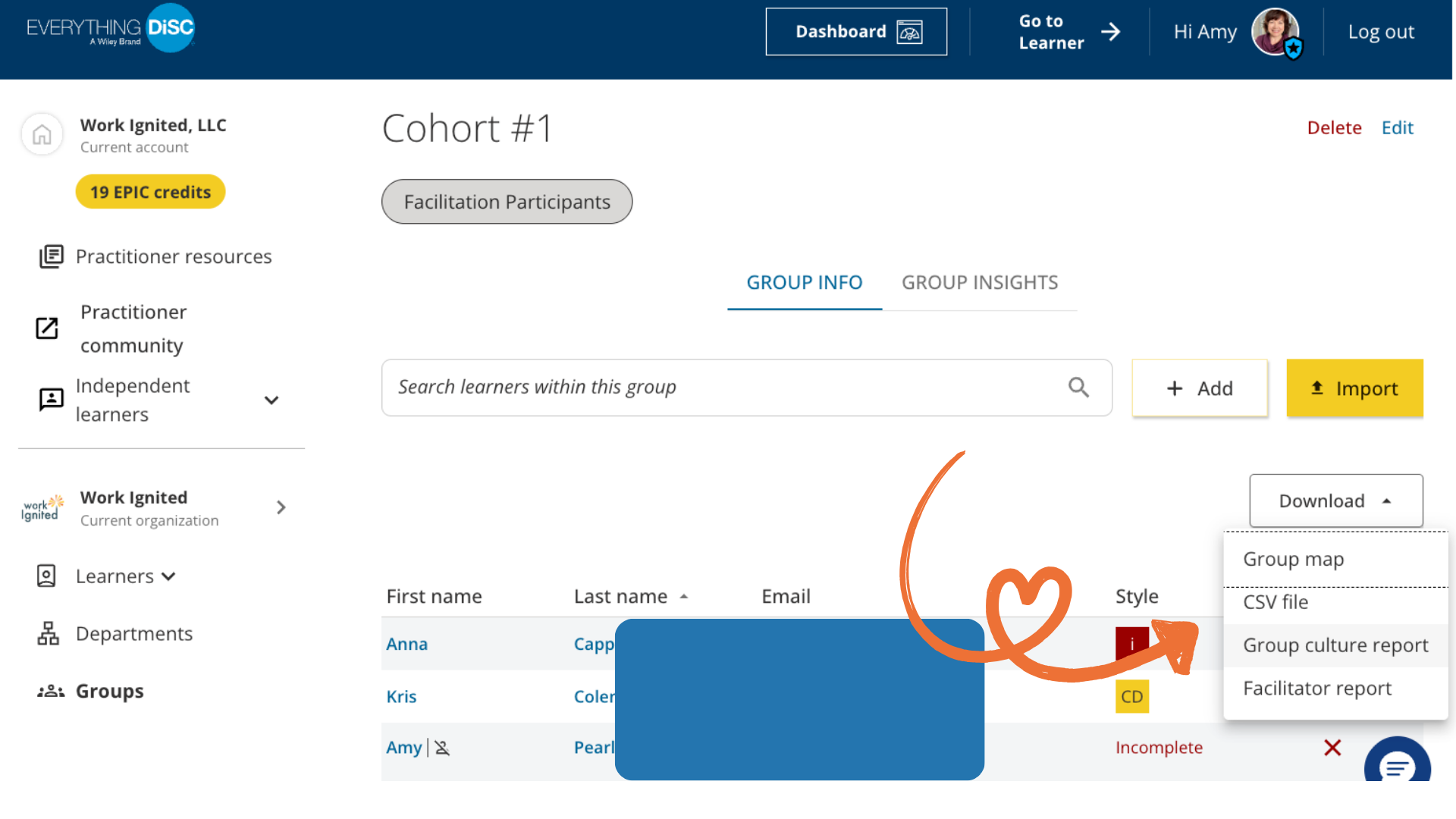
Select the Download button on the right. You can generate a Group Map, a .csv file to export the group members' style information, and a Group Culture Report and Facilitator Report.
When you have access to CPE, you're Catalyst Administrator Platform will allow you to order the reports for free.
Hurry! Upgrade Your Facilitator Kit to the Catalyst Practitioner Experience for Free by April 30, 2026!
If you already own an Everything DiSC Facilitator's Kit, there's a limited-time opportunity worth knowing about: you can upgrade to the CPE for free before April 30, 2026. Once you're inside, you'll see that you have access to updated facilitation kits for Everything DiSC Workplace, Management, Agile EQ, and the new Worksmart modules. Plus, there's a community of assessment lovers waiting to answer your questions and share ideas.
But, don't delay. After April, the cost to purchase CPE is $2,200.
Five Ways to Use the Facilitator Report in a Team Session
I know you love new ideas. So, here are five activities you can build directly from the data in the free reports.
1. Group Map Gallery Walk
Print or display the Group Map and invite team members to find their dot and notice where they land in relation to their colleagues. Ask: Who are you naturally close to on the map? Who is on the opposite side? What does this tell you about the potential of your conversations? This visual alone tends to open up conversations about why certain working relationships feel easy and others take more effort. It's a simple activity, but it creates some of the best "aha" moments because people can literally see the distance between their styles.
2. Culture Cards
Using the culture section of the report, pull out the list of what your team's culture tends to reward and what it tends to criticize. Write each one on a separate card or sticky note. Have the team sort them: Which of these do we see in ourselves? Which ones surprise us? Which do we want to keep, and which might we want to challenge? This works especially well for teams that have been together a while and have developed strong norms they may not have examined recently.
3. Blind Spot Mapping
Every DiSC culture has something it tends to undervalue. In a group with a strong C culture, for example, that might be enthusiasm or sense of urgency. In a D-heavy team, it might be careful analysis or attention to people's feelings. Ask the team: How might we be perceived by others - the good, the bad, and the ugly - and what steps can we take to improve those perceptions? Or, ask the team: Where have we felt the effects of our blind spots recently? This question works well as a follow-up two or three months after an initial workshop, when people have had time to notice real patterns on the job. It's also a great way to keep DiSC alive long after the initial session. (Related: How Can I Keep DiSC Alive After a Workshop?)
4. Communication Pairs
Using the individual style data in the Facilitator Report, pair up people whose styles sit in very different parts of the map. Give each pair a brief scenario, like delivering difficult feedback or aligning on a project direction, and ask them to discuss how their styles might approach it differently. Then bring it back to the group. This builds empathy and practical communication skills at the same time. It also shows people that style differences aren't obstacles; they're opportunities for better outcomes when both perspectives are in the room.
5. Leader Reflection Exercise
This one is designed for leaders specifically, and it's a private activity, not a group share. Give the team leader the Facilitator Report and ask them to review it with one question in mind: Looking at the styles in this group, where might I be creating friction without realizing it? Where might my natural tendencies be making it harder for certain team members to do their best work? The insights leaders take away from this exercise tend to be significant, and many of them come back to me weeks later saying it changed how they approach one-on-one conversations with their team.
Q&A: Everything Else You Need to Know About Free Group Reports
Who can generate these reports?
Any Catalyst Administrator who ALSO has access to their own Certified Practitioner Experience account. You simply select the people to include in the Groupf, choose the report type, and the system builds it automatically. There's no additional setup required.
Does everyone in the group need to have completed their profile on Catalyst specifically?
Yes. Because both reports pull data directly from Catalyst, all group members need to have completed their Everything DiSC assessment through the Catalyst platform. Profiles completed on older platforms like the classic EPIC system won't populate into these reports. If you have team members on older profiles, reach out to us and we can walk you through the upgrade process. (Related: Where Can I Buy Everything DiSC Profiles and Manage My Account?)
Can you create multiple group reports for the same people?
Absolutely, and this is one of the more underused features. You might run one report for a full department and separate reports for individual teams within that department. Each configuration tells a different story, and comparing them can surface really interesting dynamics. For example, a team that looks well-balanced on its own might reveal a completely different culture when viewed alongside the broader department. Simply create a Catalyst Group for each combination of people. Any Learner can be in more than one Group.
Is the Facilitator Report appropriate to share with the team itself, or just the leader?
This is a great question with a nuanced answer. The Group Culture section is generally very appropriate to share with the whole team, and doing so can lead to rich discussion. The individual style data is more sensitive. My practice is to share the full Facilitator Report with the team leader and use the group maps and culture data selectively with the team, always in a spirit of curiosity rather than labeling.
Can I still generate Group Culture and Facilitator Report using the old EPIC administrative platform?
Yes, however, they will not be free! You might have non-Catalyst profiles in your EPIC dashboard if you have profiles that pre-date Catalyst or profiles that aren't on Catalyst yet (e.g., Work of Leaders, Productive Conflict, Sales). If you use EPIC to generate a Group Culture or Facilitator Report, the cost is 25 credits.
Ready to Start Using Group Reports?
If you're already facilitating Everything DiSC and you haven't pulled a group report yet, you're leaving some of the most powerful data on the table. And if cost has been the thing holding you back, the Catalyst Practitioner Experience removes that barrier entirely.
Interested in learning more about the Catalyst Practitioner Experience and the Catalyst Admin Platform? Visit my DiSC Support page here.
Schedule a call with me and we'll get you sorted out.