











Quick Answer:
DiSC stays alive when it becomes part of everyday conversations, leadership habits, and team routines. Short reinforcement activities, leader modeling, DiSC embedded in the flow of work, and simple Catalyst touchpoints help turn DiSC from a one-time training activity into a powerful, ongoing business tool.
I'm always sad when business leaders tell me that they've done DiSC before, and although their teams were energized and optimistic, the momentum faded fast. Then, I make it clear that I don't like "one night stand" workshops. If they want to make the most of DiSC, they need clear tactics for keeping it alive. Afterall, you're investing a lot of money in DiSC. You deserve a tool that adds value for years to come.
Let's start where the problem begins.
Sometimes, mistakes happen right from the start. You can check out my blog post: 5 Mistakes DiSC Facilitators Make to learn more. The bottom line is that awareness disappears quickly without on-the-job practice.
Most people understand DiSC concepts immediately, but understanding alone does not create behavior change. Without regular opportunities to apply what they learned, insights fade fast. Work priorities take over. When deadlines, meetings, and daily pressures pile up, anything not embedded into routines gets pushed aside. DiSC becomes a forgotten report instead of a working tool.
It is essential to create ownership beyond the session. If no one is responsible for reinforcement, DiSC quietly exits the culture. Learning and Development Professionals are well-positioned to be the reinforcers. Structured follow-up and reminders are incredibly effective especially when tied to business cycles, organizational and team activities, and the day-to-day flow of work.
And, don't worry. Being the reinforcer doesn't mean lots of extra work. Keep reading for simple ways to keep DiSC alive without taking up tons of your time.
When thinking about business cycles, worry less about models and more about momentum, results, and the natural rhythm of the business. When DiSC is aligned to business cycles, it stops feeling like training and starts feeling like an execution tool.
Annual Planning and Goal Setting: During annual or strategic planning, leaders should use DiSC to balance how decisions are made and communicated. Recommend that executives don't default to their own styles under pressure, but to think about others by asking: What is our organization's DiSC culture? (Use the FREE Group Culture Report in your Catalyst Practitioner's Experience.) How will our decisions be received given our organizational culture? How can we best communicate our plans and expectations given our organizational culture?
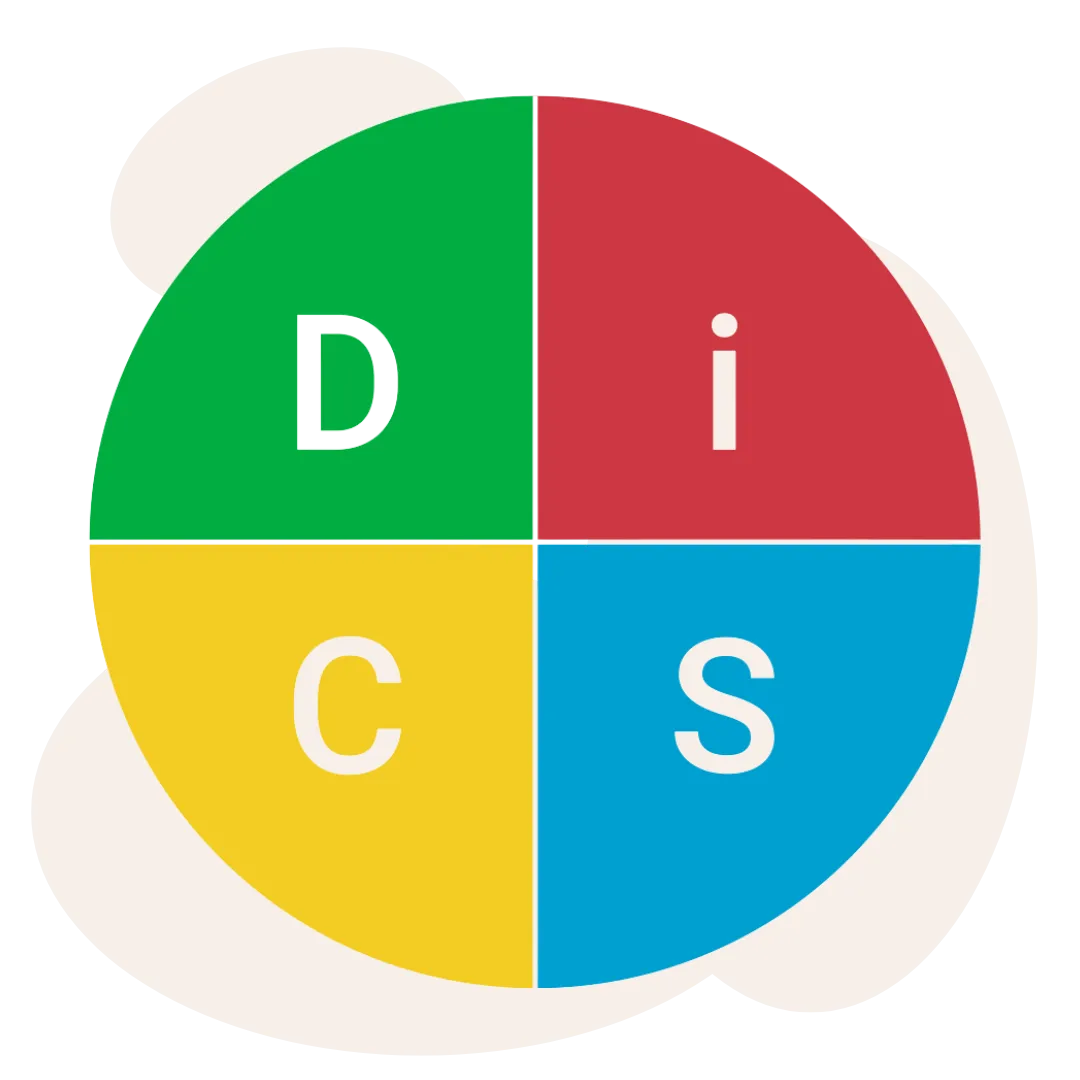
Change Initiatives and Transformations: Change fails more often because of behavior than strategy. Anticipate how teams will react to change and adjust messaging accordingly. D's and I'd need vision and urgency, while C's and S's likely need reassurance, structure, and time to process.
Performance Management and Feedback Cycles: Assign the Everything DiSC Management Modules to support managers' ability to clarify expectations, give feedback in ways that land, and support growth based on team members' unique needs. Click here for more ideas for strengthening performance conversations with Everything DiSC on Catalyst.
As an Everything DiSC expert in your organization, you can become the reason that people love their jobs again! Create simple opportunities to spotlight DiSC during regular meetings:
Five-Minute Meeting Openers: Start using meaningful and relevant icebreakers. Kick off meetings with a quick DiSC reflection, accountability moment, how-to video, or real-life case study.
Weekly Style Spotlights: For four weeks following a workshop, email your learners to highlight one style behavior and how it shows up positively or negatively in your culture.
Peer Learning Moments: Assign partners to have follow-up discussions one week after a workshop to share their successes and to brainstorm ways to apply DiSC on the job. Have a prize for the most dynamic-duo that shares their success stories with you. Publish the success stories to gain social proof and put some peer pressure on others to take action.
Recognition for Adaptation and Application: Use your organization's recognition program to catch people doing it right. Acknowledge when someone flexes their style and improves collaboration.
Before your workshop wraps up, instruct learners to:
Save Catalyst to their phone's home page so it works just like an app. It's just 3 steps. Start by going to www.Catalyst.EverythingDiSC.com. Choose the little send icon ⬆️ which is in the search bar of your phone. Choose Add to Home Screen.
Change their Teams or Zoom name to include their DiSC profile.
Then, rather than just using a "how did you like today's workshop" survey, ask questions that will give you ideas about how to bring DiSC to life in your organization:
How will you use your DiSC strength on-the-job?
How can we embed DiSC language in our meetings?
What do we need to watch out for when our team is working together?
In what real-life business processes should we take time to consider our profiles, our colleagues profiles, and our group's profile before we make decisions or take action?
Once you have their ideas, you can send reminders to implement those actions. Create email templates and use your email scheduling system to queue up reminders for your learners, so it becomes a one-and-done tasks for you.
Catalyst is your easiest way to create a sense of ownership and empowerment among your learners. During your workshops, give them time to use Catalyst intentionally so they keep using it in the future:
Create and explore a Your Colleagues comparison (Start by having them compare themselves to their supervisor and find tips for influencing up!)
Build a Group, view a Group Map, and plan to use Conversation Starters at their next team meeting
Get Advice for handling a potentially tense situation with a coworker who has a different style
Review their Motivators and Stressors in the Workplace -> What Drives You section to create a time management plan that keeps them energized
Review Strategies for effectiveness in preparation for coaching conversations with their supervisor
When leaders talk openly about their own DiSC styles and adaptations, it signals that DiSC matters. Ensure managers know how to use Catalyst Management modules to give direction, delegate, motivate, and develop people using DiSC insights.
Also, tee up managers to debrief learners following your workshops by asking:
What did you learn about your strengths and risks during your workshop?
What did you commit to doing better, differently, or more often based on what you learned?
How can I, as your manager, support your success in that effort?
Then, create a Your Colleagues Comparison (manager and learner) to explore similarities and differences in real time.
Be sure to avoid these momentum crushers...
Making ongoing use of DiSC and Catalyst optional
Failing to provide structure and support for learners
Letting managers off the hook as they are the primary carriers of DiSC into daily work
Relying only on reminders - sustainable habits come from action and application
Your goal is to turn DiSC into a habit, not a memory. You'll know it's sticking when you see people using Catalyst regularly and when you hear them using new language.
Consistency beats intensity. Small, frequent touchpoints matter more than large, infrequent events. And, if it feels heavy, know that it won't last for you or your learners.
Keep it simple.
Embed Catalyst usage right into your workshops
Use the automation in your LMS, HRIS, Email, and Teams to set up your templates for reinforcement and follow up
Teach managers to use Catalyst's Conversation Starters and other features to be role models for others
Create spotlight moments at Town Hall, project team, or managers' meetings to inspire others to be their best
🔥 Download: The Everything DiSC Trainer’s Dream Kit
A ready-to-use toolkit with 20 practical activities facilitators can use during or after workshops to reinforce learning, spark conversation, and help DiSC stick long after the session ends.

Explore our assessments for candidate screening, development, team building, succession planning, and more.

Together
Give the women in your organization the coaching, confidence, and connections they need to have successful careers and a fabulous lives.

Made Easy
Create an amazing learning experience
whether your team is
at the office, at home, or on the go.

Ignited
Be the best leader you can be
with this award-winning
learning opportunity.

Breakthrough
Create a workplace you love with our best-selling book, employee survey, and interactive team experience.

Conversations
Replace your archaic review process
with an online system to
guide GREAT conversations.


Quick Answer:
DiSC stays alive when it becomes part of everyday conversations, leadership habits, and team routines. Short reinforcement activities, leader modeling, DiSC embedded in the flow of work, and simple Catalyst touchpoints help turn DiSC from a one-time training activity into a powerful, ongoing business tool.
I'm always sad when business leaders tell me that they've done DiSC before, and although their teams were energized and optimistic, the momentum faded fast. Then, I make it clear that I don't like "one night stand" workshops. If they want to make the most of DiSC, they need clear tactics for keeping it alive. Afterall, you're investing a lot of money in DiSC. You deserve a tool that adds value for years to come.
Let's start where the problem begins.
Sometimes, mistakes happen right from the start. You can check out my blog post: 5 Mistakes DiSC Facilitators Make to learn more. The bottom line is that awareness disappears quickly without on-the-job practice.
Most people understand DiSC concepts immediately, but understanding alone does not create behavior change. Without regular opportunities to apply what they learned, insights fade fast. Work priorities take over. When deadlines, meetings, and daily pressures pile up, anything not embedded into routines gets pushed aside. DiSC becomes a forgotten report instead of a working tool.
It is essential to create ownership beyond the session. If no one is responsible for reinforcement, DiSC quietly exits the culture. Learning and Development Professionals are well-positioned to be the reinforcers. Structured follow-up and reminders are incredibly effective especially when tied to business cycles, organizational and team activities, and the day-to-day flow of work.
And, don't worry. Being the reinforcer doesn't mean lots of extra work. Keep reading for simple ways to keep DiSC alive without taking up tons of your time.
When thinking about business cycles, worry less about models and more about momentum, results, and the natural rhythm of the business. When DiSC is aligned to business cycles, it stops feeling like training and starts feeling like an execution tool.
Annual Planning and Goal Setting: During annual or strategic planning, leaders should use DiSC to balance how decisions are made and communicated. Recommend that executives don't default to their own styles under pressure, but to think about others by asking: What is our organization's DiSC culture? (Use the FREE Group Culture Report in your Catalyst Practitioner's Experience.) How will our decisions be received given our organizational culture? How can we best communicate our plans and expectations given our organizational culture?
Change Initiatives and Transformations: Change fails more often because of behavior than strategy. Anticipate how teams will react to change and adjust messaging accordingly. D's and I'd need vision and urgency, while C's and S's likely need reassurance, structure, and time to process.
Performance Management and Feedback Cycles: Assign the Everything DiSC Management Modules to support managers' ability to clarify expectations, give feedback in ways that land, and support growth based on team members' unique needs. Click here for more ideas for strengthening performance conversations with Everything DiSC on Catalyst.
As an Everything DiSC expert in your organization, you can become the reason that people love their jobs again! Create simple opportunities to spotlight DiSC during regular meetings:
Five-Minute Meeting Openers: Start using meaningful and relevant icebreakers. Kick off meetings with a quick DiSC reflection, accountability moment, how-to video, or real-life case study.
Weekly Style Spotlights: For four weeks following a workshop, email your learners to highlight one style behavior and how it shows up positively or negatively in your culture.
Peer Learning Moments: Assign partners to have follow-up discussions one week after a workshop to share their successes and to brainstorm ways to apply DiSC on the job. Have a prize for the most dynamic-duo that shares their success stories with you. Publish the success stories to gain social proof and put some peer pressure on others to take action.
Recognition for Adaptation and Application: Use your organization's recognition program to catch people doing it right. Acknowledge when someone flexes their style and improves collaboration.
Before your workshop wraps up, instruct learners to:
Save Catalyst to their phone's home page so it works just like an app. It's just 3 steps. Start by going to www.Catalyst.EverythingDiSC.com. Choose the little send icon ⬆️ which is in the search bar of your phone. Choose Add to Home Screen.
Change their Teams or Zoom name to include their DiSC profile.
Then, rather than just using a "how did you like today's workshop" survey, ask questions that will give you ideas about how to bring DiSC to life in your organization:
How will you use your DiSC strength on-the-job?
How can we embed DiSC language in our meetings?
What do we need to watch out for when our team is working together?
In what real-life business processes should we take time to consider our profiles, our colleagues profiles, and our group's profile before we make decisions or take action?
Once you have their ideas, you can send reminders to implement those actions. Create email templates and use your email scheduling system to queue up reminders for your learners, so it becomes a one-and-done tasks for you.
Catalyst is your easiest way to create a sense of ownership and empowerment among your learners. During your workshops, give them time to use Catalyst intentionally so they keep using it in the future:
Create and explore a Your Colleagues comparison (Start by having them compare themselves to their supervisor and find tips for influencing up!)
Build a Group, view a Group Map, and plan to use Conversation Starters at their next team meeting
Get Advice for handling a potentially tense situation with a coworker who has a different style
Review their Motivators and Stressors in the Workplace -> What Drives You section to create a time management plan that keeps them energized
Review Strategies for effectiveness in preparation for coaching conversations with their supervisor
When leaders talk openly about their own DiSC styles and adaptations, it signals that DiSC matters. Ensure managers know how to use Catalyst Management modules to give direction, delegate, motivate, and develop people using DiSC insights.
Also, tee up managers to debrief learners following your workshops by asking:
What did you learn about your strengths and risks during your workshop?
What did you commit to doing better, differently, or more often based on what you learned?
How can I, as your manager, support your success in that effort?
Then, create a Your Colleagues Comparison (manager and learner) to explore similarities and differences in real time.
Be sure to avoid these momentum crushers...
Making ongoing use of DiSC and Catalyst optional
Failing to provide structure and support for learners
Letting managers off the hook as they are the primary carriers of DiSC into daily work
Relying only on reminders - sustainable habits come from action and application
Your goal is to turn DiSC into a habit, not a memory. You'll know it's sticking when you see people using Catalyst regularly and when you hear them using new language.
Consistency beats intensity. Small, frequent touchpoints matter more than large, infrequent events. And, if it feels heavy, know that it won't last for you or your learners.
Keep it simple.
Embed Catalyst usage right into your workshops
Use the automation in your LMS, HRIS, Email, and Teams to set up your templates for reinforcement and follow up
Teach managers to use Catalyst's Conversation Starters and other features to be role models for others
Create spotlight moments at Town Hall, project team, or managers' meetings to inspire others to be their best
🔥 Download: The Everything DiSC Trainer’s Dream Kit
A ready-to-use toolkit with 20 practical activities facilitators can use during or after workshops to reinforce learning, spark conversation, and help DiSC stick long after the session ends.