









e-Learning Made Easy
Create an engaging learning experience whether your team is in the office, at home, or on the go!
Afraid your team won't embrace online learning?
Spoke learners get great results:
5.5 x increase in training completion rates
4x more user engagement
2.5x increase in non-required training activities
No time to create your own e-learning programs?
That’s okay. We’ll get you ready and set to go with our Ready-Set Course Packs. This off-the-shelf content takes a radically different approach. Most affordable turnkey solutions for basic training lack in quality, sustainability, and are outdated. Ready Set is high-quality, action-oriented, semi-customizable training based on proven methodology.
Our periodic Power Meetings create engagement and build accountability for new behaviors with your learners.
CLICK THE PROGRAM TITLES below for a description of these short and actionable online learning programs.

10 Micro-Learning Modules including:
Motivating Your Team
Conflict Resolution
Coaching
8 Micro-Learning
Modules including:
Prospecting
Positioning Against the Competition
Asking for the Sale
7 Micro-Learning
Modules including:
Workplace Violence
Data Protection
Scam Awareness
5 Micro-Learning
Modules including:
Sexual Harassment
Identifying Bias
Creating a Supportive Culture
Click the images below to achieve your goals.

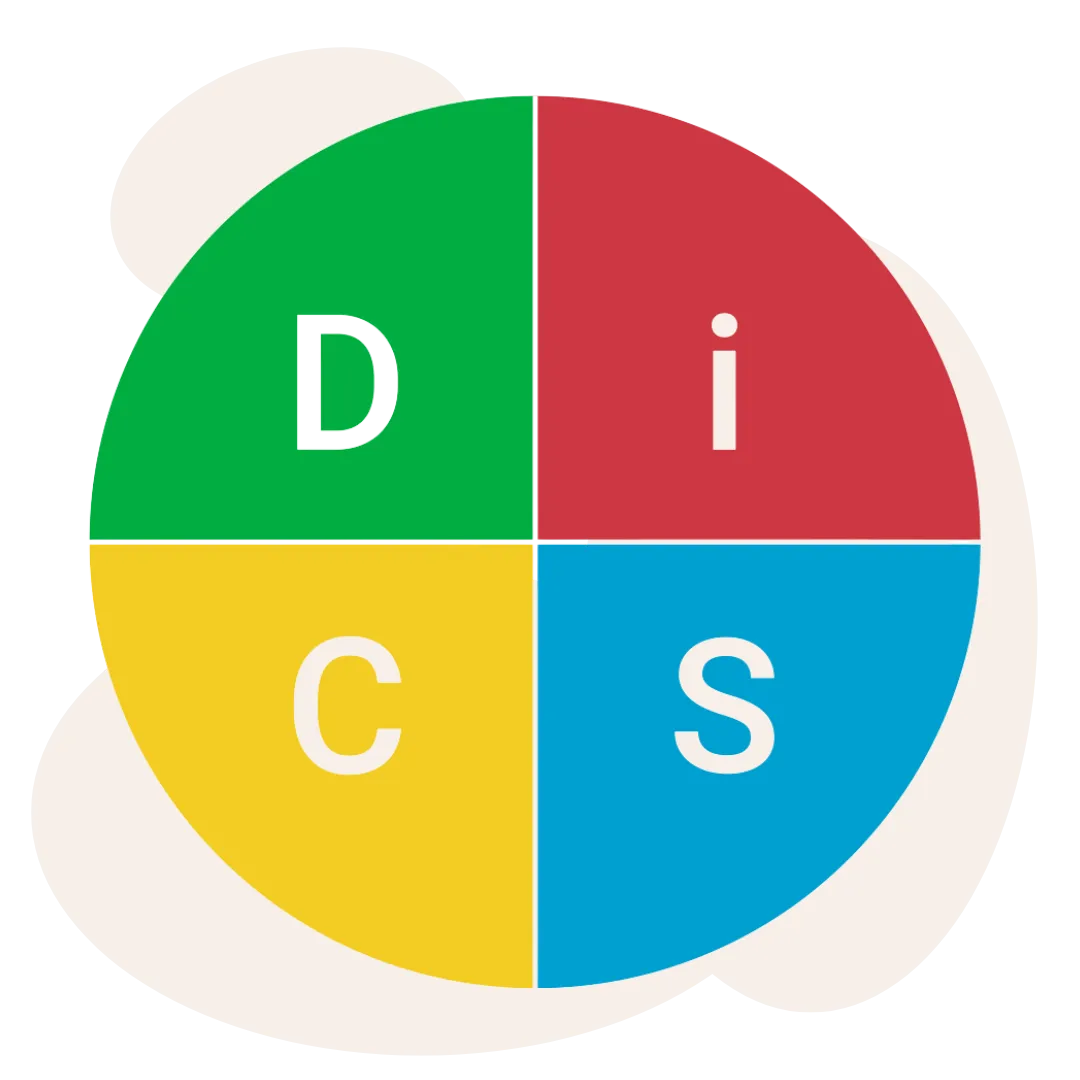
Assessment
Solutions
Explore our assessments for candidate screening, development, team building, succession planning, and more.

Fabulous
Together
Give the women in your organization the coaching, confidence, and connections they need to have successful careers and a fabulous lives.

e-Learning
Made Easy
Create an amazing learning experience
whether your team is
at the office, at home, or on the go.

Lead
Ignited
Be the best leader you can be
with this award-winning
learning opportunity.
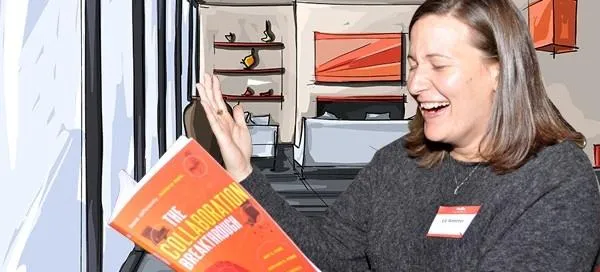
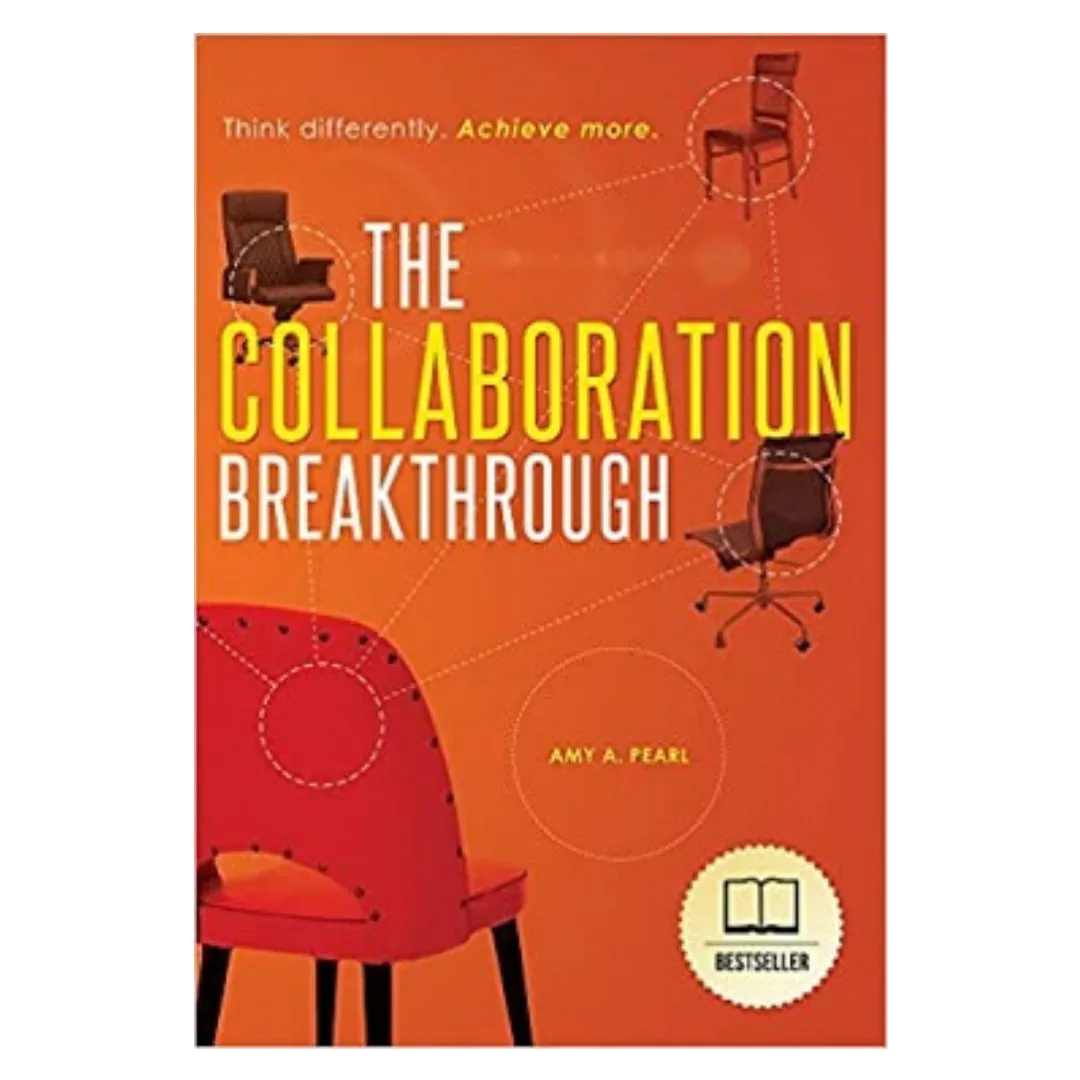
Collaboration
Breakthrough
Create a workplace you love with our best-selling book, employee survey, and interactive team experience.

Coaching
Conversations
Replace your archaic review process
with an online system to
guide GREAT conversations.
Download the Best Interview Questions
for Virtual Job Candidates
Getting Started is Easy!
Whether you've had your LMS in place for a decade and need help migrating training, or you've never used an online learning tool before, we'll have you up and running fast!
Kick Off: We’ll pull together learning and technical experts to understand your needs, share ideas, and create a plan to meet your goals.
Set Up: We’ll help you upload users, courses, resources, and anything else you need to get started.
Learn: We’ll help you become an expert Administrator and e-learning pro.
Launch: Get your team excited because they’re about to experience learning on a whole new level!
Schedule a Demo Today
Would you like to explore our e-learning solutions? Schedule a demo for your team!
See how Comcast uses Spoke to engage their team members.
Look who's using our assessments today:



Check out our recent news and blog.

How can I use DiSC to re-energize a team mid-year?
Quick Answer:
By June, most teams are running on momentum from goals set months ago, and that momentum can start to fade, especially as the temptations of summer set in. A simple, midyear reset using DiSC can help your team celebrate what they've accomplished, reconnect around what matters most for the second half, and rediscover the energy to finish the year strong. In this post, you'll get a ready-to-use facilitation guide with three segments: a celebratory icebreaker, a DiSC-powered team conversation, and a personal energy booster, all designed to be run by a facilitator, a team leader, or even members of the team itself.
Why a Midyear Reset Matters
The first half of the year is a blur for most teams. Projects launched, priorities shifted, new people joined, others left, and somewhere along the way the energy that came with "new year, fresh start" quietly faded into "just get through the week."
That's normal. But it doesn't have to be where the story ends.
A midyear reset isn't about adding another meeting to the calendar. It's about creating one intentional hour where your team pauses, looks back at what they've accomplished, looks forward at what's ahead, and reconnects with each other and their own energy. When done well, it can shift the mood and momentum of a team for the entire second half of the year.
The guide below gives you everything you need to facilitate a 60-90 minute midyear team session. It's designed to be flexible enough that you can adapt it to your team's culture and needs. And, it works virtually, but I'd plan an in-person session and tack on lunch, a soccer game in the park, or an afternoon happy hour.
Who Should Facilitate This Session?
Before we dive into the guide, let's address who runs it. You have three options, and each one brings something different to the experience.
Option 1: The L&D or HR professional. If you want to use this as an opportunity to shine, to demonstrate your value and deepen your relationship with the team, step in and facilitate it yourself. You'll bring expertise with DiSC and facilitation skills that can elevate the conversation. This is also a great chance to model what good facilitation looks like for others.
Option 2: The team leader or manager. Handing this facilitation guide to a manager and letting them run it sends a powerful message: development is part of how we lead here, not just something HR does. The guide is detailed enough that a manager who isn't a trained facilitator can still lead a great session.
Option 3: Team members themselves. This is my favorite creative facilitation strategy. Assign each segment of the session to a few team members and let them own it. One group runs the icebreaker. Another facilitates the team conversation. A third leads the energy booster. It distributes ownership, builds facilitation skills across the team, and keeps the energy high because people are more engaged when their peers are leading.
Pick the option that fits your team. Or mix and match. The important thing is that someone owns it and the session happens.
The Midyear Reset: A Facilitation Guide
Segment 1: Celebrate the First Half (20 Minutes)
Before you look forward, look back. Teams rarely pause to acknowledge what they've accomplished, and that lack of recognition is one of the biggest energy drains in any organization. This segment is designed to be fun, fast, and memorable.
Choose one of these three icebreakers:
Option A: The Midyear Newscast
Put participants into a few small groups. Each group has five minutes to write a short "newscast script" that reports on the team's biggest accomplishments from the first half of the year. They should treat it like a real broadcast: dramatic headlines, breaking news, maybe even a weather report on team morale. Once the scripts are written, each group selects their best TV personality in their group to deliver the newscast for the team.
Debrief questions:
What accomplishments surprised you when you heard other groups mention them?
What are we not giving ourselves enough credit for?
What would we want the "headline" for the second half of the year to be?
Option B: Paper Plate Awards
Give each person a paper plate and some markers (or other decorations if you're feeling creative). Each person creates a custom award for someone else on the team. The award should be specific and celebratory: something that person did in the first half that made a difference, that showed their strengths, that reinforced the organization's values, or that simply made work better for everyone else. Once the awards are made, each person presents their paper plate award to the recipient and explains why they earned it.
This one can run a few minutes longer than the other options, but the energy it creates is worth it. People light up when they're recognized by their peers for something specific and genuine.
Debrief questions:
What do these awards tell us about what we value as a team?
How can we carry this spirit of recognition into the second half?
Option C: The Team Song
Put participants into small groups and challenge each group to write a short song (to the tune of a well-known melody) that celebrates the team's accomplishments from the first half. Give them five minutes to write and then have each group perform. This one requires a team that's willing to be a little silly, but when it works, it's unforgettable.
Debrief questions:
What themes kept coming up across the songs?
What themes from the first half do we want to carry forward?
Segment 2: Reconnect and Refocus with DiSC (30 - 40 Minutes)
This is the heart of the session. Choose one of the two options below based on what your team needs most right now.
Option A: Use Catalyst Conversation Starters
If your team could benefit from strengthening their connections, improving communication, or making better decisions together, use the built-in Conversation Starters on the Catalyst platform.
Before the session: Log into Catalyst (www.catalyst.everythingdisc.com) and create a Group with the members of the team. Be sure to share the Group with the rest of the team.
During the session, go to your Group, and click on Conversation Starters. Choose one of the three ready-made topics: Connecting, Communicating, or Decision Making. Each one pulls in the group's actual DiSC data to make the conversation immediately personal and relevant.
The Conversation Starters guide the team through a 15 to 20 minute facilitated discussion. The prompts do the heavy lifting, so even a first-time facilitator can lead this section with confidence. Allow an additional 5 to 10 minutes for open discussion and action items.
This option is ideal when the team's biggest need is relational: they've been heads-down on work and haven't invested in how they work together.
Option B: Use the Group Culture Report to Refocus on Goals
If your team needs to get realigned around priorities, upcoming projects, or goals that have drifted off track, this option uses the Group Culture Report as the foundation for a focused strategy conversation.
Before the session: Generate a Group Culture Report for the team through your Catalyst Admin dashboard (free with the Catalyst Practitioner Experience). Print or share the report so everyone can see it during the session.
During the session, walk the team through these questions:
Divide the participants into a few smaller groups. Give them 10 minutes to reviewing the group's composite profile and then answer the questions below. To make it quick, you could assign one question to each smaller group.
Looking at our group's profile, what are the strengths we bring to the table as a collective? Give people a minute to reflect individually, then open it up for discussion. You'll often hear things like "we're great at building consensus" or "we move fast when we need to" or "we're thorough and don't miss details." Capture these on a whiteboard or shared document.
Then shift to the goals. Ask: Given our priorities for the second half of the year, which of these strengths will help us the most? Get specific. If the team has a major product launch coming, which aspects of their collective style will serve them well? If they're navigating a reorganization, what strengths can they lean into?
Now explore the gaps. Ask: Based on our group's profile, what might we unintentionally overlook or undervalue as we pursue these goals? What tendencies could get in our way? The Group Culture Report often highlights blind spots, like a team that's strong in Influence but might skip over the detailed planning that a project requires, or a team high in Steadiness that might resist the pace of change that's needed. Let the team name these honestly.
Then move to action. Ask: What do we need to do better, differently, or more often in the second half to achieve our goals? Based on our profile, what could prevent our success, and how can we get ahead of it now? This is where the conversation gets practical. Push the team to name specific behaviors, not just intentions. "We need to communicate more" is too vague. "We need to send a weekly status update every Friday so our C-style teammates aren't left guessing" is actionable.
Close this segment by having the team commit to two or three specific actions for the second half. Write them down. Make them visible. Revisit them monthly.
Segment 3: The Personal Energy Booster (20 Minutes)
Close the session by shifting from the team level to the individual level. This exercise comes from the Catalyst platform and connects directly to the energy and time themes from our recent blog series.
Ask each participant to log into Catalyst at www.catalyst.everythingdisc.com. Have them click on Workplace, then select What Drives You, and scroll down to "What Motivates You." As an alternative, print each team member's Motivators and Stressors page from their Workplace Profile report.
Ask them to read through the list of motivators quietly and count how many of those motivators are present in their current job.
Say: Filling your day with activities that align with your motivators increases energy, improves flow, and quite literally makes time feel different.
Ask: Identify one of your favorite motivators. How you can get more of it into your daily work?
Give people two to three minutes to reflect, then invite a few volunteers to share one motivator they want to lean into more in the second half.
Now have them scroll down or read to "What's Stressful for You."
Say: No job is perfect. There's always a few stressors or demotivators that you have to contend with. But, hopefully, there aren't too many and they are manageable.
Ask: Identify your top two or three stressors. For each stressor, what can you eliminate, automate, delegate, or restructure so it takes up less of your peak energy?
Say: No job is perfect, and everyone will have some stressors baked in. The goal isn't to remove all stress. It's to be intentional about managing the things that drain you so they don't consume the energy you need for the work that matters most. In your next one-on-one meeting with your manager, take time to review these lists to find ways to maximize your motivators and manage your stressors more intentionally.
Close the session by asking each person to write down one motivator they'll prioritize and one stressor they'll actively manage in the second half. If you want to add accountability, have them share their commitments with a partner on the team who can check in with them in 30 days.
After the Session
The best midyear resets don't end when the meeting ends. Here are a few simple follow-ups that keep the momentum going:
Send a recap within 24 hours that includes the team's commitments from Segment 2 and any highlights from the icebreaker and energy booster.
Schedule a 15-minute check-in for 30 days out to revisit the team's commitments and celebrate early wins.
Encourage managers to reference the Group Culture Report in future team meetings when discussing projects, decisions, or challenges. The more the data shows up in real conversations, the more it becomes part of how the team operates.
Ensure the manager reviews each team member's motivators and stressors in their next one-on-one meeting. They can even use the Colleagues feature in Catalyst to compare their profiles.
Join Us for DiSC-a-Palooza on June 12th
If this post has you thinking about how to bring more energy to your teams (and to yourself), you're going to love what we have planned for our annual DiSC-a-Palooza virtual event on June 12th from 11:00 - 1:00 Eastern Time.
This year's theme is all about time-saving, energy-boosting strategies for you and your teams. You'll see what's new with Everything DiSC, connect with other professionals who are passionate about building great workplaces, and walk away with practical ideas you can put into action immediately. It's fun, it's fast, and it's the kind of event that reminds you why you got into this work in the first place.
[Register for DiSC-a-Palooza here.](INSERT REGISTRATION LINK)