













How to Coach Leaders to Adapt Their Style Under Stress
Don’t Let Stress Hijack Your Leadership: Coach Leaders to Adapt Their Style When It Matters Most
If you’ve ever watched a great leader turn into a bottleneck, a bulldozer, or an emotional basketcase the moment pressure hits, you already know the problem. Stress doesn’t just test leaders. It exposes the gap between how they want to show up and how they actually do.
Can you coach leaders to handle stressful situations better?
Yes, you can absolutely coach leaders to manage their stress responses, but not by telling them to “calm down” or “be more self-aware.” The key is helping them understand what’s happening before they react. In this post, I’ll share my personal stress struggles, what happens to leaders, a four-step coaching framework, and how you can use Everything DiSC Agile EQ to expedite the process!
I Know This Because I Live It
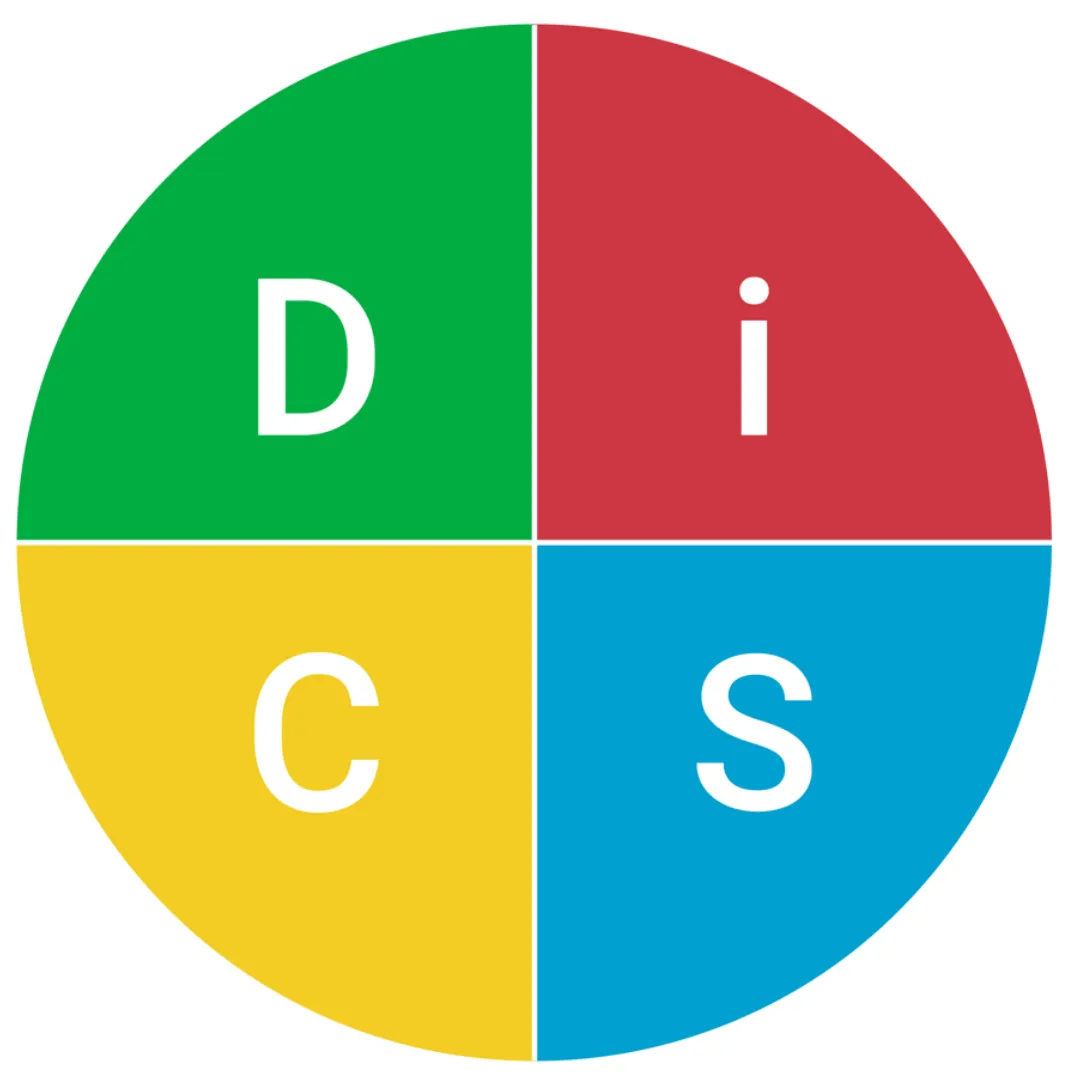
I’m high in Conscientiousness and Dominance on the DiSC map. I’m focused on quality results, solving problems, and making things happen. When things are going well, those strengths serve me. But when stress hits? I become a different person.
My C says, “I can do it better,” and my D says, “I can do it faster” myself. I become too independent, leave people out, and if my high intensity kicks in, you can count on a good dose of impatience and sarcasm.And empathy, which I’ll be honest, I don’t have a ton of to begin with, goes completely out the window. I stop including others. I stop listening. I just go.
I’ve learned that for me, the trigger is time management. When I manage my time well, I can stay calm and composed. When my schedule is packed too tight or something unexpected pops up, I’m like a wild woman. Knowing that about myself has been a game-changer, not because I never get stressed, but because I can catch the early warning signs before I go down a path I’ll regret.
The leaders you work with are no different. They all have a version of this story. The question is whether they’re aware of it and whether they have the tools to do something about it.
Why Emotional Agility Is a Leadership Skill, Not a Soft Skill
If you’re an HR or L&D professional reading this, you might be wondering how to position emotional agility with your leadership team or to convince a leader that emotions are more important than ever. In my experience, it lands when you connect it to two realities:
First, what today’s workforce is looking for has changed. People aren’t just staying at organizations because of the work itself. They’re looking for three things: a sense of purpose, a feeling of belonging and camaraderie, and feeling valued for what matters to them not just what matters to the company. Employees want a stronger emotional connection with their workplace, their coworkers, and their boss. Leaders who can’t meet people on that level will struggle to retain and motivate their teams. This is one reason why emotional agility is so critical for today’s leaders. (If you’re exploring this theme further, check out our post on the top challenges facing today’s learning and development professionals.)
Second, leadership at the highest levels is mostly about strategy and people. When you grow in an organization, your job description gets narrow. You’re planning strategic direction, working on high-impact projects, and, here’s the shift. You’re not just managing people anymore. You’re mentoring them and mentoring is a fundamentally different relationship. It’s more personal, more emotional. It requires the ability to connect with people and meet them where they are. Leaders who lack that emotional agility will hit a ceiling, no matter how sharp their strategic thinking is. (We’ve written more about why human skills are still the biggest differentiators in today’s workplace.)
What Happens to Leaders Under Stress
Every leader has strengths. Those strengths are what got them promoted, what earned them trust, and what makes them effective on a good day. But under stress, those same strengths get cranked up to a level that stops being helpful.
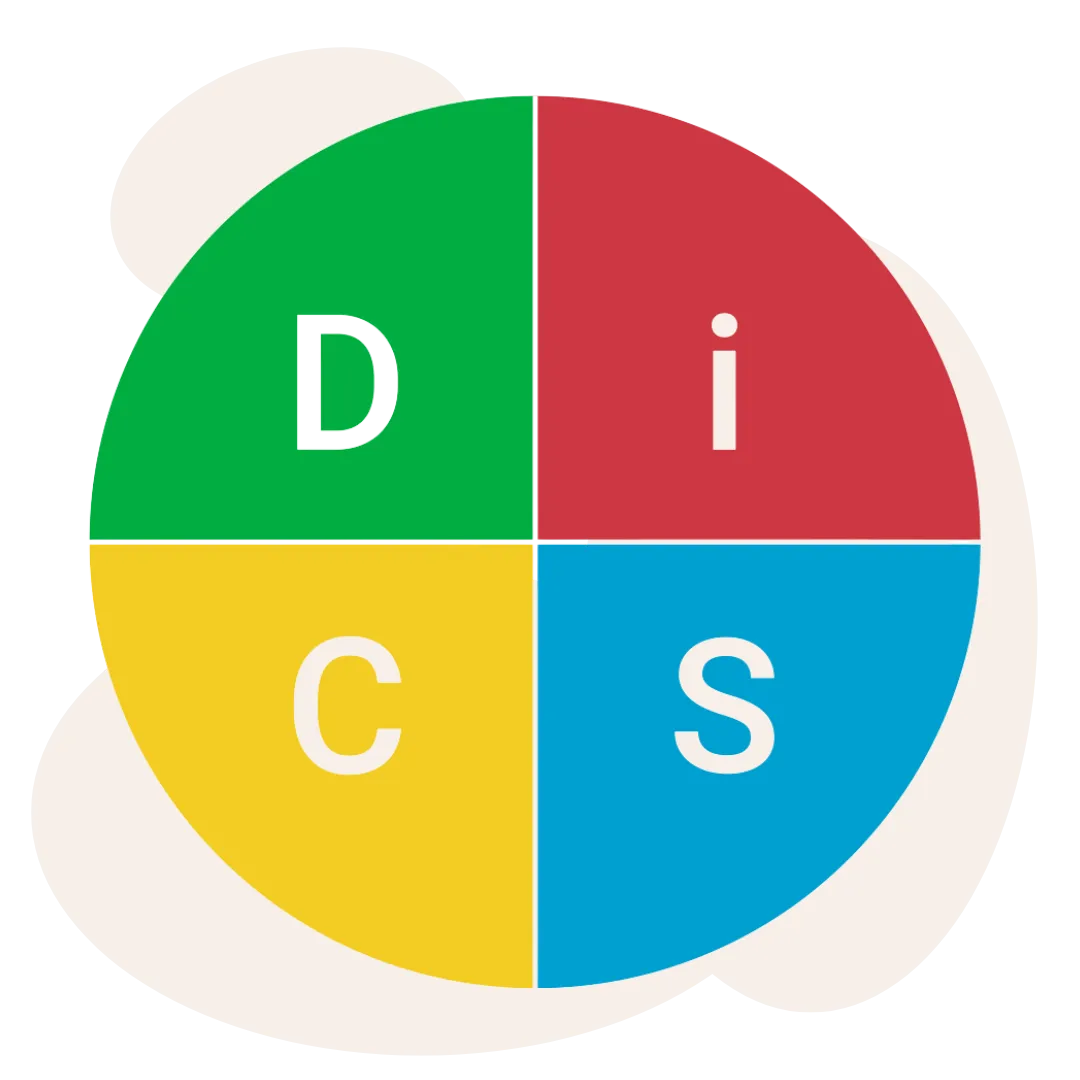
Here’s what it looks like by DiSC style:
Dominance-style leaders are naturally results-driven and decisive. Under stress, that drive can turn aggressive. They might bulldoze through conversations, dismiss input, and make unilateral decisions that leave their team feeling run over.
influence-style leaders bring energy, enthusiasm, and new ideas. Under stress, they can become too emotional, too impulsive, or so focused on keeping things positive that they avoid the hard conversations entirely.
Steadiness-style leaders are naturally accommodating and supportive. Under stress, that desire to serve others can go into overdrive. They might take on everyone else’s work, avoid conflict, and fail to stand up for their beliefs.
Conscientiousness-style leaders value quality, accuracy, and process. Under stress, they dig their heels in. They could become unyielding perfectionists who slow everything down because nothing meets their standard, or they withdraw entirely and stop communicating.
The pattern is the same across all styles: under pressure, leaders don’t develop new bad habits. They overuse the strengths they already have. And when a strength goes too far, it can become a weakness.
This Is Where Agile EQ Changes the Game
You likely know that Everything DiSC helps people understand how they communicate and behave in the moment. Everything DiSC Agile EQ goes one level deeper. It’s about what’s happening in your head before you say something or take action.
Everything DiSC Agile EQ looks at eight distinct mindsets: Dynamic, Outgoing, Empathizing, Receptive, Composed, Objective, Resolute, and Self-Assured. Your Agile EQ profile shows you which mindsets come naturally to you, and which are stretch mindsets that require more deliberate effort.
Here’s what matters: the mindset that’s hardest for a leader is almost always the opposite of where they naturally live. In my case, Empathy and Receptive are my stretch mindsets. For someone who’s naturally outgoing and relationship-focused, staying Objective and Composed might be the stretch. It’s different for everyone, but there’s always a pattern.
The power of Agile EQ is that it makes these mindsets buildable. Think of it as a toolkit. Once you’ve built all eight mindsets into your toolkit, even the ones that don’t come naturally, you can walk into any situation, calm or chaotic, and feel confident and prepared to respond instead of just react.
And, here’s a bonus. If you’re leaders already have an Everything DiSC on Catalyst Profile, they can get Agile EQ with just a flip of a switch. They don’t have to answer any additional questions!
A Simple Framework for Coaching Leaders Through Stress: Notice, Name, Navigate, Normalize
Whether you’re an HR professional coaching a leader through a tough season, a facilitator looking to strengthen your workshop content, or a leader coaching one of your own team members, here’s a simple four-step framework you can use to help other respond appropriately when feeling stressed.
Step 1: Notice
Help the leader recognize what’s happening in the moment or better yet, before the moment. This starts with identifying triggers. What situations, environments, or pressures consistently push them into overdrive? For me, it’s a packed schedule. For someone else, it might be dealing with someone they perceive as incompetent, facing public criticism, or feeling out of the loop. The goal is self-awareness at the trigger level, while there is still time to adjust. Suggest that the leader monitor stressful situations for a two-week period – what was the situation, what led up to the encounter, what was the real driver behind their response? There’s always a pattern. Identify it and become more proactive in managing it ahead of time.
Step 2: Name
Give the response a label. This is where the DiSC language and Agile EQ mindsets become incredibly useful. Instead of just feeling “stressed,” a leader can say, “I’m defaulting to my independent mindset and shutting people out,” or “I’m losing objectivity because I’m leading with emotion right now.” Naming it takes the power out of it. It moves the response from something that’s happening to them to something they’re doing. That distinction is everything, because you know what you must stop doing and what you must start doing in the moment.
Step 3: Navigate
Now the leader makes a deliberate choice. Instead of riding the default mindset deeper into stress behavior, they reach into their toolkit and choose a different mindset for the situation. Maybe that means pausing to ask for input instead of plowing ahead. Maybe it means taking a breath and approaching a conversation with empathy instead of sarcasm. Maybe it means stepping back from the emotion and making a more objective decision. This is the stretch. It won’t feel comfortable, and that’s the point. Agile EQ provides dozens of ideas for building the capacity to go beyond what’s natural when the situation demands it.
Step 4: Normalize
This might be the most important step, especially for the person doing the coaching. Remind the leader that this is a human experience, not a personal failure. Everyone responds differently in stressful situations. Every leader has blind spots. The goal isn’t to eliminate the stress response. It’s to shorten the time between reacting and course-correcting. The more they practice, the smaller that gap becomes. And over time, reaching for a stretch mindset starts to feel less like a stretch and more like a choice they’re confident making.
Why This Matters Right Now
If you’re in HR or L&D, you already know that 2026 is shaping up to be another year of significant change. Leaders at every level are being asked to do more with less, navigate uncertainty, and still show up as the kind of boss people want to work for. The leaders who thrive won’t be the ones who white-knuckle their way through it. They’ll be the ones who’ve built the emotional agility to adapt, meeting after meeting, conversation after conversation, without losing themselves or their people in the process.
Want to Explore Agile EQ for Your Organization?
Everything DiSC Agile EQ is available as a standalone experience or as an add-on for teams that have already completed DiSC Workplace on the Catalyst platform. You can download sample Agile EQ profiles and explore the full Everything DiSC suite here.
If you’d like to talk through how Agile EQ could fit into your leadership development, coaching, or team-building efforts, I’d love to connect. Schedule a conversation with me here.
Frequently Asked Questions
Is Agile EQ the same as an emotional intelligence test?
I define emotional intelligence simply the ability to know yourself, the ability to read others, and the ability to use that information to build good relationships. So, in that respect, Agile EQ and Everything DiSC are excellent tools for measuring and building emotional intelligence.
However, many EQ products go overboard, integrating lots of competencies and few recommendations. Agile EQ is primarily a development tool. Instead of asking “What’s your EQ score?” it asks, “How could you actually improve your EQ?” It measures your comfort level with eight different mindsets and gives you simple and practical strategies for building the ones that don’t come naturally.
Do I need to have done DiSC Workplace before doing Agile EQ?
It’s not required, but it helps. DiSC Workplace gives people the foundational language around their communication style. Agile EQ builds on that by going deeper into the mindsets behind those behaviors. If your team is on the Catalyst platform, Agile EQ integrates seamlessly as an add-on experience.
Can I facilitate Agile EQ without being DiSC certified?
Yes. Certification is recommended but not required. A facilitation kit is available that includes fully scripted sessions, activities, and videos. That said, if you want to go deeper and customize the experience, certification gives you a much stronger foundation. We’ll be covering that topic in an upcoming post. Stay tuned.
Is this only for senior leaders?
Not at all. Agile EQ is valuable at every level of leadership and even for individual contributors. That said, it’s especially impactful for mid-level managers who are building a broader set of relationships and senior leaders who are shifting from managing to mentoring. The emotional demands increase as you move up, and Agile EQ gives leaders the tools to meet those demands.
What if a leader says they don’t need help with emotional intelligence?
That’s actually pretty common, and it’s often the leaders who most need it. I’ve found that framing it as “emotional agility” rather than “emotional intelligence” makes a difference. Agility implies action, adaptability, and strength. It doesn’t feel soft. And once leaders see their own Agile EQ profile and recognize themselves in the mindset descriptions, the resistance usually fades. It’s hard to argue with data. (Spoken by someone who leads with an Objective mindset!)

Click the images below to achieve your goals.

Assessment
Solutions
Explore our assessments for candidate screening, development, team building, succession planning, and more.

Fabulous
Together
Give the women in your organization the coaching, confidence, and connections they need to have successful careers and a fabulous lives.

e-Learning
Made Easy
Create an amazing learning experience
whether your team is
at the office, at home, or on the go.

Lead
Ignited
Be the best leader you can be
with this award-winning
learning opportunity.

Collaboration
Breakthrough
Create a workplace you love with our best-selling book, employee survey, and interactive team experience.

Coaching
Conversations
Replace your archaic review process
with an online system to
guide GREAT conversations.
Download the Best Interview Questions
for Virtual Job Candidates
Look who's using our assessments today:





Check out our recent news and blog.
How to Coach Leaders to Adapt Their Style Under Stress
Don’t Let Stress Hijack Your Leadership: Coach Leaders to Adapt Their Style When It Matters Most
If you’ve ever watched a great leader turn into a bottleneck, a bulldozer, or an emotional basketcase the moment pressure hits, you already know the problem. Stress doesn’t just test leaders. It exposes the gap between how they want to show up and how they actually do.
Can you coach leaders to handle stressful situations better?
Yes, you can absolutely coach leaders to manage their stress responses, but not by telling them to “calm down” or “be more self-aware.” The key is helping them understand what’s happening before they react. In this post, I’ll share my personal stress struggles, what happens to leaders, a four-step coaching framework, and how you can use Everything DiSC Agile EQ to expedite the process!
I Know This Because I Live It
I’m high in Conscientiousness and Dominance on the DiSC map. I’m focused on quality results, solving problems, and making things happen. When things are going well, those strengths serve me. But when stress hits? I become a different person.
My C says, “I can do it better,” and my D says, “I can do it faster” myself. I become too independent, leave people out, and if my high intensity kicks in, you can count on a good dose of impatience and sarcasm.And empathy, which I’ll be honest, I don’t have a ton of to begin with, goes completely out the window. I stop including others. I stop listening. I just go.
I’ve learned that for me, the trigger is time management. When I manage my time well, I can stay calm and composed. When my schedule is packed too tight or something unexpected pops up, I’m like a wild woman. Knowing that about myself has been a game-changer, not because I never get stressed, but because I can catch the early warning signs before I go down a path I’ll regret.
The leaders you work with are no different. They all have a version of this story. The question is whether they’re aware of it and whether they have the tools to do something about it.
Why Emotional Agility Is a Leadership Skill, Not a Soft Skill
If you’re an HR or L&D professional reading this, you might be wondering how to position emotional agility with your leadership team or to convince a leader that emotions are more important than ever. In my experience, it lands when you connect it to two realities:
First, what today’s workforce is looking for has changed. People aren’t just staying at organizations because of the work itself. They’re looking for three things: a sense of purpose, a feeling of belonging and camaraderie, and feeling valued for what matters to them not just what matters to the company. Employees want a stronger emotional connection with their workplace, their coworkers, and their boss. Leaders who can’t meet people on that level will struggle to retain and motivate their teams. This is one reason why emotional agility is so critical for today’s leaders. (If you’re exploring this theme further, check out our post on the top challenges facing today’s learning and development professionals.)
Second, leadership at the highest levels is mostly about strategy and people. When you grow in an organization, your job description gets narrow. You’re planning strategic direction, working on high-impact projects, and, here’s the shift. You’re not just managing people anymore. You’re mentoring them and mentoring is a fundamentally different relationship. It’s more personal, more emotional. It requires the ability to connect with people and meet them where they are. Leaders who lack that emotional agility will hit a ceiling, no matter how sharp their strategic thinking is. (We’ve written more about why human skills are still the biggest differentiators in today’s workplace.)
What Happens to Leaders Under Stress
Every leader has strengths. Those strengths are what got them promoted, what earned them trust, and what makes them effective on a good day. But under stress, those same strengths get cranked up to a level that stops being helpful.
Here’s what it looks like by DiSC style:
Dominance-style leaders are naturally results-driven and decisive. Under stress, that drive can turn aggressive. They might bulldoze through conversations, dismiss input, and make unilateral decisions that leave their team feeling run over.
influence-style leaders bring energy, enthusiasm, and new ideas. Under stress, they can become too emotional, too impulsive, or so focused on keeping things positive that they avoid the hard conversations entirely.
Steadiness-style leaders are naturally accommodating and supportive. Under stress, that desire to serve others can go into overdrive. They might take on everyone else’s work, avoid conflict, and fail to stand up for their beliefs.
Conscientiousness-style leaders value quality, accuracy, and process. Under stress, they dig their heels in. They could become unyielding perfectionists who slow everything down because nothing meets their standard, or they withdraw entirely and stop communicating.
The pattern is the same across all styles: under pressure, leaders don’t develop new bad habits. They overuse the strengths they already have. And when a strength goes too far, it can become a weakness.
This Is Where Agile EQ Changes the Game
You likely know that Everything DiSC helps people understand how they communicate and behave in the moment. Everything DiSC Agile EQ goes one level deeper. It’s about what’s happening in your head before you say something or take action.
Everything DiSC Agile EQ looks at eight distinct mindsets: Dynamic, Outgoing, Empathizing, Receptive, Composed, Objective, Resolute, and Self-Assured. Your Agile EQ profile shows you which mindsets come naturally to you, and which are stretch mindsets that require more deliberate effort.
Here’s what matters: the mindset that’s hardest for a leader is almost always the opposite of where they naturally live. In my case, Empathy and Receptive are my stretch mindsets. For someone who’s naturally outgoing and relationship-focused, staying Objective and Composed might be the stretch. It’s different for everyone, but there’s always a pattern.
The power of Agile EQ is that it makes these mindsets buildable. Think of it as a toolkit. Once you’ve built all eight mindsets into your toolkit, even the ones that don’t come naturally, you can walk into any situation, calm or chaotic, and feel confident and prepared to respond instead of just react.
And, here’s a bonus. If you’re leaders already have an Everything DiSC on Catalyst Profile, they can get Agile EQ with just a flip of a switch. They don’t have to answer any additional questions!
A Simple Framework for Coaching Leaders Through Stress: Notice, Name, Navigate, Normalize
Whether you’re an HR professional coaching a leader through a tough season, a facilitator looking to strengthen your workshop content, or a leader coaching one of your own team members, here’s a simple four-step framework you can use to help other respond appropriately when feeling stressed.
Step 1: Notice
Help the leader recognize what’s happening in the moment or better yet, before the moment. This starts with identifying triggers. What situations, environments, or pressures consistently push them into overdrive? For me, it’s a packed schedule. For someone else, it might be dealing with someone they perceive as incompetent, facing public criticism, or feeling out of the loop. The goal is self-awareness at the trigger level, while there is still time to adjust. Suggest that the leader monitor stressful situations for a two-week period – what was the situation, what led up to the encounter, what was the real driver behind their response? There’s always a pattern. Identify it and become more proactive in managing it ahead of time.
Step 2: Name
Give the response a label. This is where the DiSC language and Agile EQ mindsets become incredibly useful. Instead of just feeling “stressed,” a leader can say, “I’m defaulting to my independent mindset and shutting people out,” or “I’m losing objectivity because I’m leading with emotion right now.” Naming it takes the power out of it. It moves the response from something that’s happening to them to something they’re doing. That distinction is everything, because you know what you must stop doing and what you must start doing in the moment.
Step 3: Navigate
Now the leader makes a deliberate choice. Instead of riding the default mindset deeper into stress behavior, they reach into their toolkit and choose a different mindset for the situation. Maybe that means pausing to ask for input instead of plowing ahead. Maybe it means taking a breath and approaching a conversation with empathy instead of sarcasm. Maybe it means stepping back from the emotion and making a more objective decision. This is the stretch. It won’t feel comfortable, and that’s the point. Agile EQ provides dozens of ideas for building the capacity to go beyond what’s natural when the situation demands it.
Step 4: Normalize
This might be the most important step, especially for the person doing the coaching. Remind the leader that this is a human experience, not a personal failure. Everyone responds differently in stressful situations. Every leader has blind spots. The goal isn’t to eliminate the stress response. It’s to shorten the time between reacting and course-correcting. The more they practice, the smaller that gap becomes. And over time, reaching for a stretch mindset starts to feel less like a stretch and more like a choice they’re confident making.
Why This Matters Right Now
If you’re in HR or L&D, you already know that 2026 is shaping up to be another year of significant change. Leaders at every level are being asked to do more with less, navigate uncertainty, and still show up as the kind of boss people want to work for. The leaders who thrive won’t be the ones who white-knuckle their way through it. They’ll be the ones who’ve built the emotional agility to adapt, meeting after meeting, conversation after conversation, without losing themselves or their people in the process.
Want to Explore Agile EQ for Your Organization?
Everything DiSC Agile EQ is available as a standalone experience or as an add-on for teams that have already completed DiSC Workplace on the Catalyst platform. You can download sample Agile EQ profiles and explore the full Everything DiSC suite here.
If you’d like to talk through how Agile EQ could fit into your leadership development, coaching, or team-building efforts, I’d love to connect. Schedule a conversation with me here.
Frequently Asked Questions
Is Agile EQ the same as an emotional intelligence test?
I define emotional intelligence simply the ability to know yourself, the ability to read others, and the ability to use that information to build good relationships. So, in that respect, Agile EQ and Everything DiSC are excellent tools for measuring and building emotional intelligence.
However, many EQ products go overboard, integrating lots of competencies and few recommendations. Agile EQ is primarily a development tool. Instead of asking “What’s your EQ score?” it asks, “How could you actually improve your EQ?” It measures your comfort level with eight different mindsets and gives you simple and practical strategies for building the ones that don’t come naturally.
Do I need to have done DiSC Workplace before doing Agile EQ?
It’s not required, but it helps. DiSC Workplace gives people the foundational language around their communication style. Agile EQ builds on that by going deeper into the mindsets behind those behaviors. If your team is on the Catalyst platform, Agile EQ integrates seamlessly as an add-on experience.
Can I facilitate Agile EQ without being DiSC certified?
Yes. Certification is recommended but not required. A facilitation kit is available that includes fully scripted sessions, activities, and videos. That said, if you want to go deeper and customize the experience, certification gives you a much stronger foundation. We’ll be covering that topic in an upcoming post. Stay tuned.
Is this only for senior leaders?
Not at all. Agile EQ is valuable at every level of leadership and even for individual contributors. That said, it’s especially impactful for mid-level managers who are building a broader set of relationships and senior leaders who are shifting from managing to mentoring. The emotional demands increase as you move up, and Agile EQ gives leaders the tools to meet those demands.
What if a leader says they don’t need help with emotional intelligence?
That’s actually pretty common, and it’s often the leaders who most need it. I’ve found that framing it as “emotional agility” rather than “emotional intelligence” makes a difference. Agility implies action, adaptability, and strength. It doesn’t feel soft. And once leaders see their own Agile EQ profile and recognize themselves in the mindset descriptions, the resistance usually fades. It’s hard to argue with data. (Spoken by someone who leads with an Objective mindset!)