








Leadership Coaching
Discover your talents. Achieve your goals. Get ignited for your future!
Why you need a coach!
Successful individuals make time to focus on their own professional and personal development. Perhaps you are looking for advice on how to inspire your team, manage conflict, make better decisions, or mentor others. Or, you might just be searching for a confidant to listen to your ideas and concerns.
One-on-one coaching is right for you if you want to...
Get others excited about your vision and goals
Build a collaborative and high performing team
Communicate more effectively with individuals at every level of your organization
Become a stronger critical and strategic thinker
Build influence, even where you don't have direct authority
Get problem solving techniques to drive decision-making and accountability
Establish your executive presence
Transform your workplace culture
Find better balance between your professional and personal life
Spend your time in a way that capitalizes on your strengths and ignites your days!
Our proven coaching process is designed to get fast results while building new habits that drive performance and better living.
Our One-on-One Coaching Process

Phase 1:
Discover Your Talents
We use a variety of self-assessments and 360 degree feedback to identify your strengths, as well as what you can do better, differently or more often. You'll create a clear picture of your talents and define your success path to achieve your professional and personal goals.

Phase 2:
Achieve Your Goals
You'll get tools, tips, and techniques to capitalize on your strengths. You'll overcome the challenges faced in your work and implement simple frameworks and habits to boost your productivity, relationships, personal wellness, and mindset to live a purposeful life.

Phase 3:
Get Ignited
We'll make sure you stay focused to ensure your new skills and behaviors are sustainable. You'll also focus on long-term goals to help you find fulfillment in work and life. Most importantly, you'll gain the confidence and energy to be the best leader you can be.
We are honored to have been chosen to
coach leaders from organizations such as:

Hi. I'm Amy Pearl.
Hi. I'm Amy Pearl and I've dedicated my life to helping leaders like you overcome tough challenges, ignite their passion, and achieve their goals. I'd love to help you, too!
As your coach, my job is to listen, share insight and ideas, and push you toward your goals. I might ask hard questions at times, especially when I see more potential in you than you see in yourself. Ultimately, I want you to be much more in tune with your own ideas, thoughts, and confidence so you can solve problems on your own, long after our coaching process is over.
During the last 3 decades, I've helped hundreds of professionals, from CEO's of multi-billion dollar companies to high potentials just starting out. I've gained a reputation as a no-nonsense yet fun-loving coach who asks thought-provoking questions and delivers actionable ideas.
I welcome the opportunity to help you achieve your goals!
How You and I Will Work Together
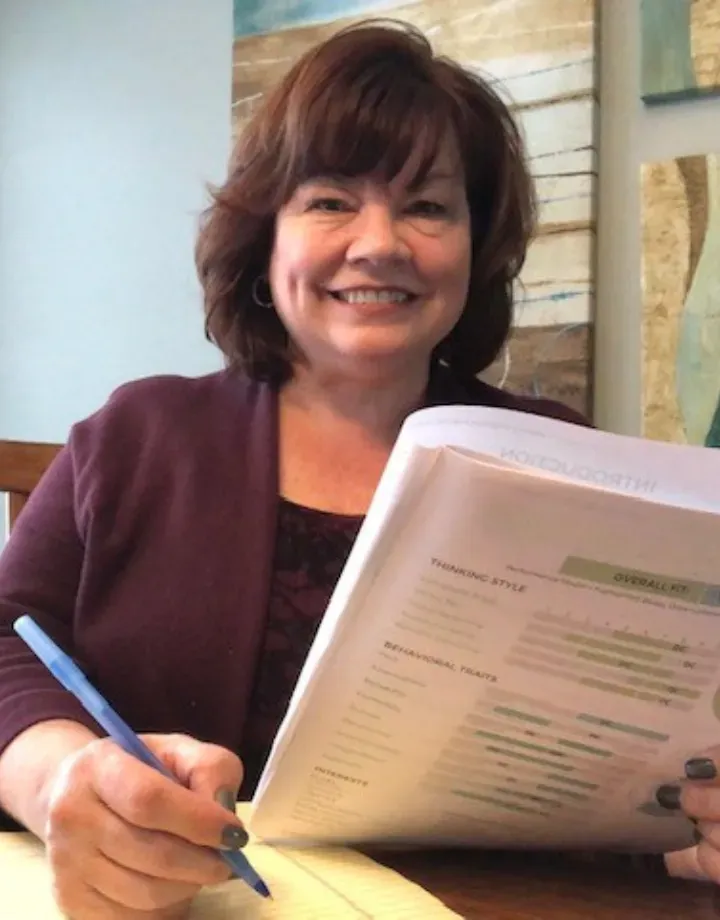
Following a Kickoff Meeting with your supervisor, we'll begin by meeting every 2 weeks for 1 hour. This way, you'll hit the ground running and make fast progress toward your goals, while giving you enough time between meetings to implement new approaches. You'll define your personal Success Path and the priorities that we'll work on during each meeting. After each session, you'll feel more prepared and confident to tackle the real-life situations you're facing, while building new habits to achieve your goals.
Over time, we'll stretch our coaching conversations out so we meet every 3-to-4 weeks. This way, I'll serve as your accountability partner and we'll ensure your new habits are sustainable for the long-term. We'll also include your supervisor in a mid-way Process Check Meeting, as well as a Wrap Up Meeting to celebrate your successes and ensure they are prepared to support you for the long-term.
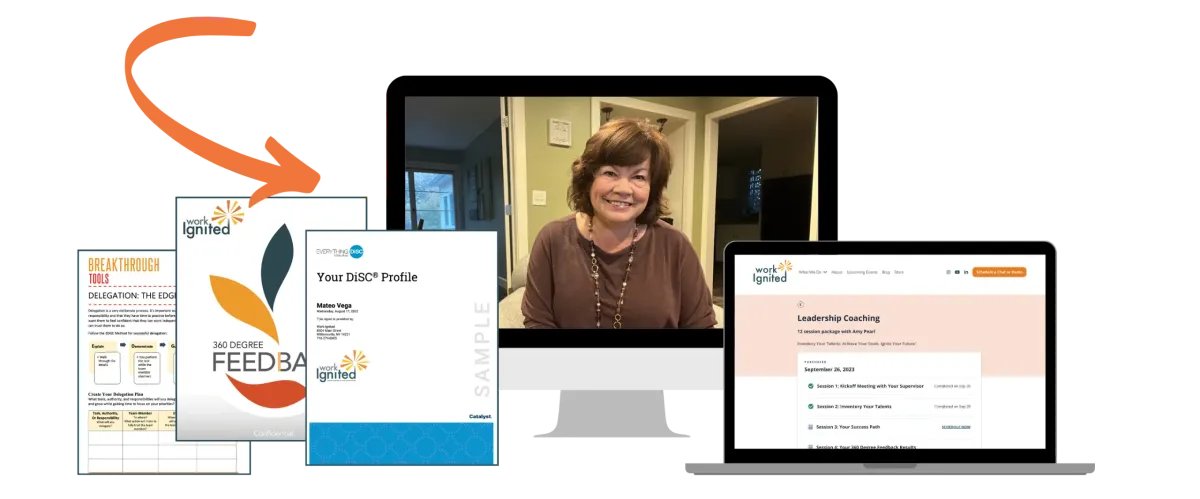
Plus, you'll have your own personal Coaching Portal to keep notes, store your assessment results,
access dozens of my best frameworks, and stay focused on your goals!
January
Kickoff Meeting
We'll begin by meeting with you and your supervisor. We'll discuss the program details and establish your objectives. This way, we can customize the program to achieve your goals.
February 15th
Getting Started
Manage your priorities, not your time. We'll help you discover how to create a Collaborative Workplace and refine your priorities to focus on the workplace you desire for your team and yourself.
February 29th
Your Mindset Matters
Ignited leadership takes the right thinking. We'll use the Agile EQ Profile to explore your natural mindsets and build your stretch mindsets so you can feel confident and prepared heading into any situation.
March 14th
Listening & Communication
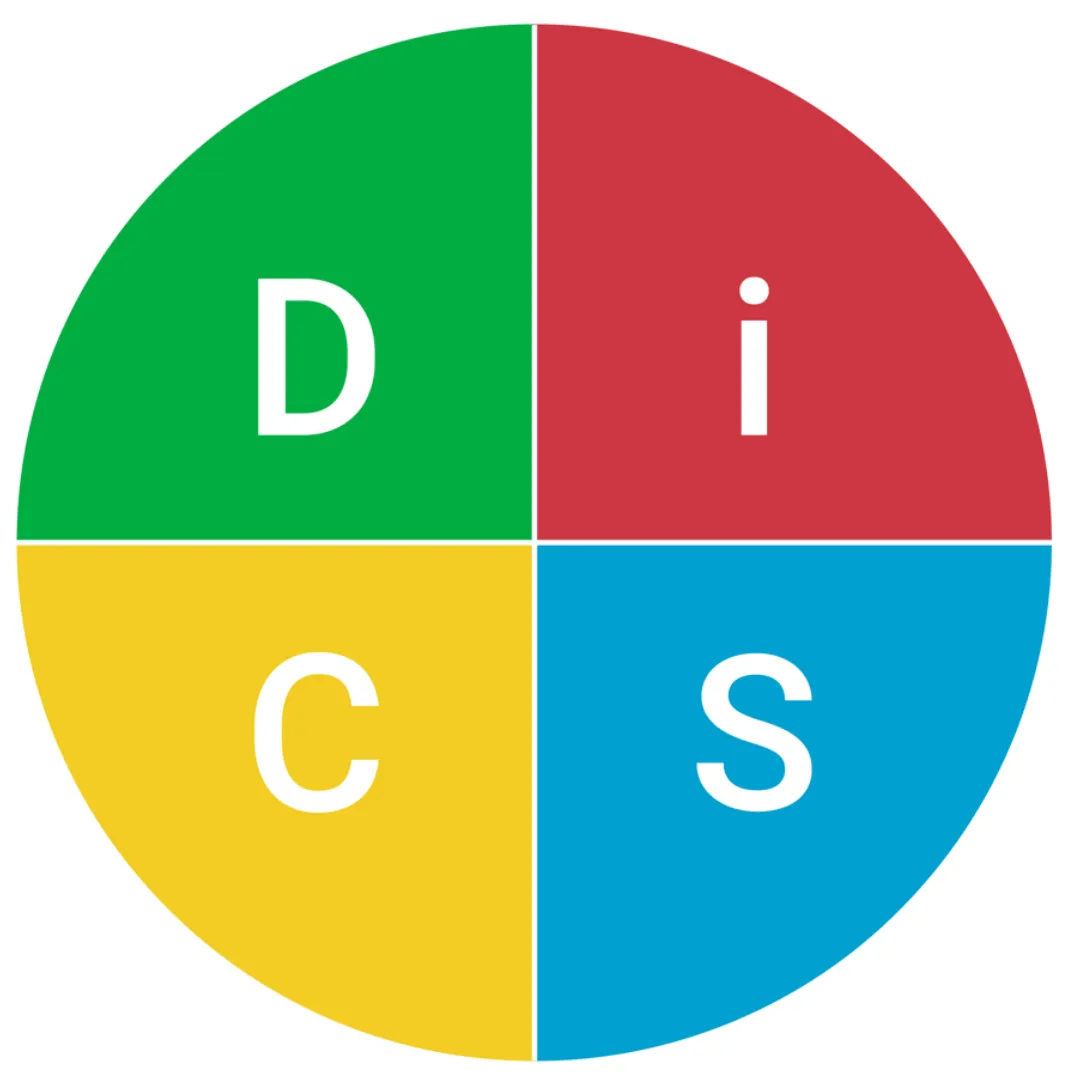
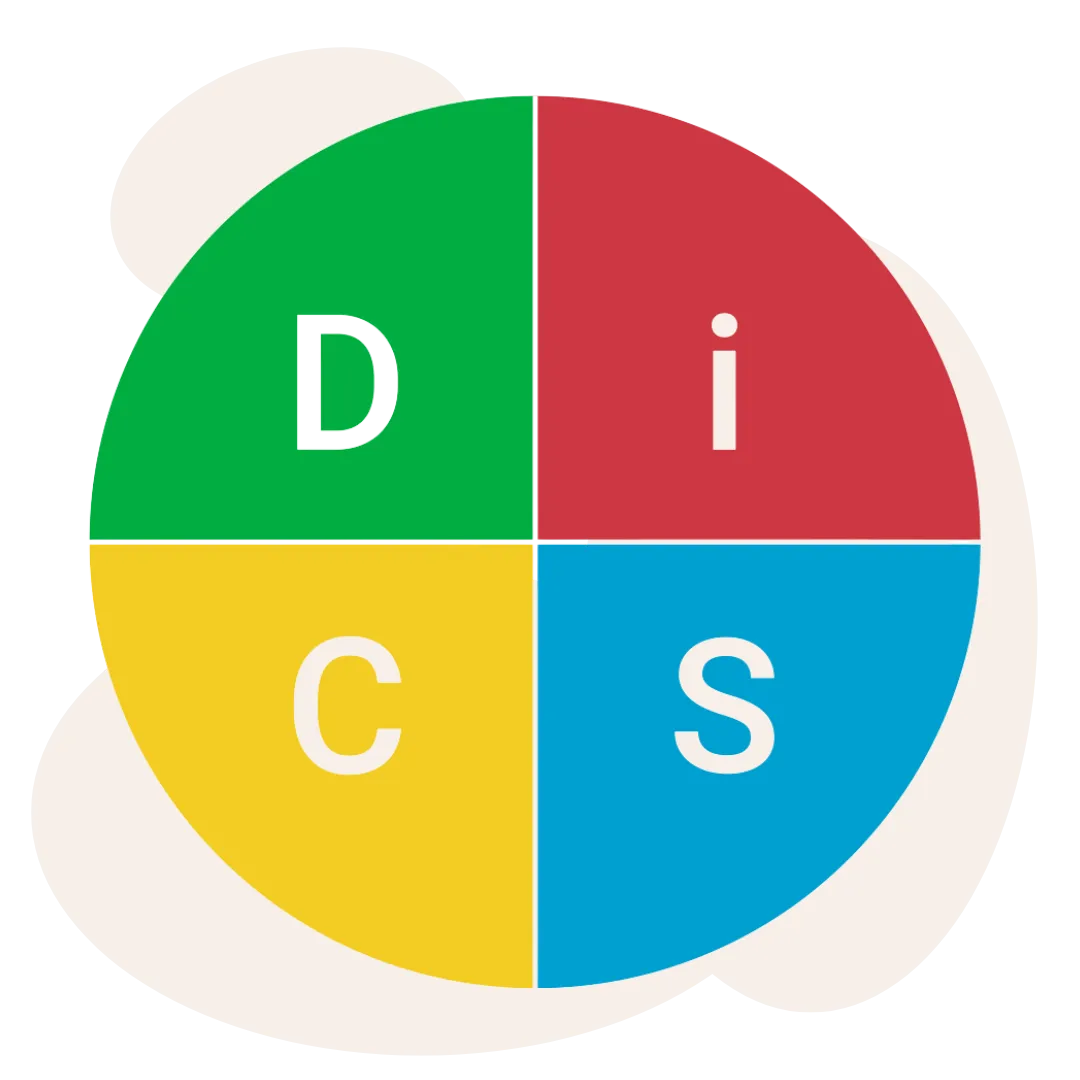
Ignited leaders are intentional when communicating with others. You'll use Everything DiSC and our Ignited Listening Profile to get personalized tips to communicate with your direct reports, peers, boss, and other colleagues to bolster your credibility, build relationships, and manage tense situations.
March
One-on-One Coaching 360 Degree Feedback
Inventory your strengths and identify improvement opportunities to be the best you can be. You'll get anonymous feedback from your direct reports, peers, supervisor, and others in an objective way. Then, we'll review your results in a one-on-one meeting to develop personalized strategies for your success.
March 28th
Your Strategic Playbook
Become crystal clear about your strategy for your department and your work. You'll write Your Playbook based on research and input from others. Then, you'll create a system of accountability for yourself and your team to maximize your contribution and stay focused on the big picture.
April 11th
Managing Performance
Create a culture of accountability and opportunity for your teams with the tools and techniques to set expectations, celebrate successes, and help team members who fall off track. Then, take the next step to coach your teams to find their own success through delegation and development.
April 25th
Managing Teams
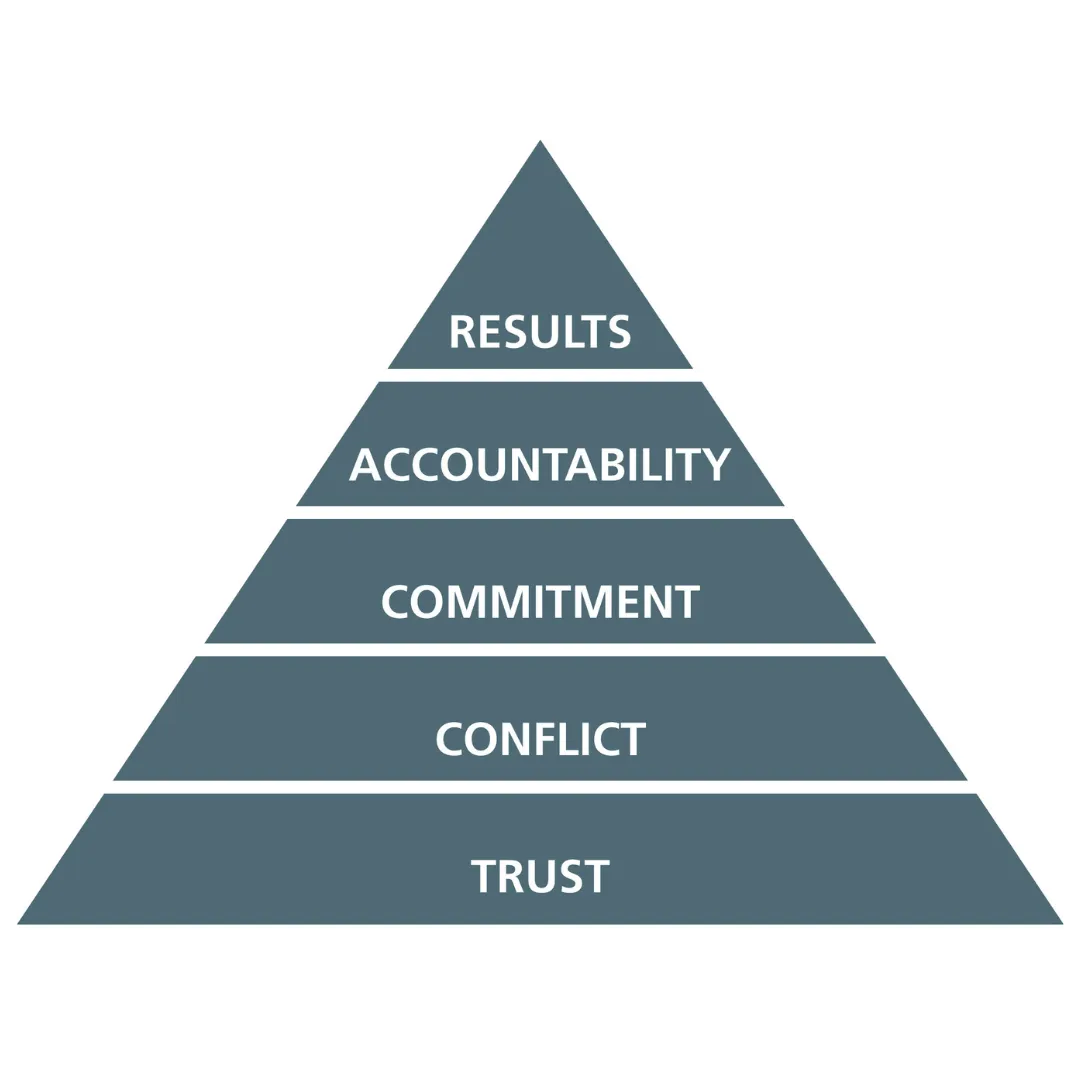
Whether you're working in the office, 100% remotely, or in a hybrid-environment, a collaborative team requires five behaviors: trust, healthy conflict, commitment, peer-to-peer accountability, and a spirit of shared results. You'll get a Teams Toolkit to make this happen.
May 9th
Managing Change
Discover eight powerful influencing strategies, how to use them and when to apply them. Then, you'll learn an 8-step process for driving sustainable change and creating a spirit of continuous improvement.
May 23rd
Graduation Celebration
We'll celebrate your accomplishments with an all-out graduation celebration. You'll learn the habits of people who get recognized at work. Then, you'll create your long-term success path to create the career and life you desire!
June
One-on-One Coaching
We'll reflect on all you've learned and the daily habits you've put in place to be a strong leader. Then, based on your career and personal goals, we'll ensure you have a plan to sustain the changes you've put in place and the tools and frameworks to achieve your goals.
I only take a few new clients on each month. So, don't delay!
$8,500
You Get It All!
12 Virtual Coaching Meetings including a Kickoff and 2 follow up meetings with your supervisor
Self-Assessments like the WorkPlace Big Five Profile, Everything DiSC, Agile EQ, and the Ignited Listening Profile
360 Degree Feedback customized for your organization and unique needs
Private Online Coaching Portal
Dozens of My Best Frameworks
Lots of attention, ideas, and motivation to achieve your goals
Still have a few questions? Read below.
How do I know this will address my issues?
Our goal is to achieve your goals. So, I begin by meeting with you and your supervisor to understand your objectives and unique needs. After coaching countless leaders over the last 2+ decades, I've developed lots of strategies, frameworks, and tools to solve even the toughest challenges.
Of course, I don't know everything, especially when it comes to the nuances of your role or organization. But, if I don't have a trick in my magic bag, we'll figure it out together!
How are our coaching sessions structured?
Our meetings last about an hour.
Initially, we'll use the WorkPlace Big Five Profile so you can inventory your talents and I can get to know you in a language that I understand. Then, we'll initiate the 360 process to understand others' perceptions and to create a plan for the rest of our meetings.
At those subsequent sessions, we'll discuss your challenges and how best to conquer them. And, I'll help you implement simple habits to ensure your desired results are sustainable.
How long does the whole process take?
We'll meet 12 times, initially every other week and then, stretching our latter meetings out a bit to ensure you stay committed to your new behaviors for the long term. So, the entire process takes about 6-8 months.
Interested in moving faster? We can give it a shot. But I find that lasting change take time. Plus, I want you to have time between each session to try new things and make real progress!
What is the cost?
At Work Ignited, we recognize that the fee for our services is your investment in anticipation of higher levels of performance and ultimately, greater financial return. So we strive to offer our high quality service at a fair value. The fee for our One-on-One Leadership Coaching Program is $8,500.
This includes all of our meeting time as well as all assessments, materials, and access to our online coaching portal.
How did Amy learn to be a coach?
I've been formally and personally trained to be a leadership coach by some of the world's leading coaches including Brendon Burchard and Patrick Lencioni. I've studied the impact of personalities and styles at work through numerous assessment certifications, and I'm a top tier award winner for the use of Wiley's Everything DiSC and associated tools. For over 20 years, I've worked with leaders from Caterpillar, Duracell, Wegmans, Barilla, Blue Cross Blue Shield, FeedMore, the United Way and countless organizations of every size and almost every industry.
But, nothing replaces the learning that comes from real world experience. I spent over a decade working for M&T Bank in sales, tech, and operations. I successfully led large teams and some of the most ambitious projects the bank pursued at the time. I now run a 7-figure business. I've had to hire, fire, motivate, inspire, block, tackle, and lead.
I know leadership and life isn't always easy, but I use my knowledge, experience, and tenacity to help you overcome the challenges, achieve your goals, and feel ignited by your work.
Do you offer a guarantee?
In 20+ years, I've never had a dissatisfied customer. I work hard to achieve your goals and I trust that you will do the same. I can't do the work for you, but if you're committed to your own professional and personal growth, so am I.
That being said, I appreciate there are some tricky situations.
Sometimes, paying the full fee up front is difficult. If you'd prefer a three-pay option, just email me at [email protected]. I can set up the payment system so you pay 1/3 up front, 1/3 after our Process Check Meeting with your supervisor, and find final 1/3 at the beginning of the Get Ignited phase.
Sometimes, organizations hire me to coach people because they have lots of potential. Other times, my coaching clients are struggling and this is a final attempt to help them improve. If you're an HR professional or executive trying to decide if coaching is right for one of your leaders, let's talk before you make this investment. Just email me at [email protected] and we'll connect!
The best time to ignite your leadership skills is today.
I know you're busy and perhaps feeling overwhelmed or worried about taking something like this on.
There's no doubt the world is quickly changing - hybrid workforces and today's economy are creating a lot of uncertainty and challenges. I hear you, friend, and I'm here for you.
I truly believe that there's never been a better (or more important) time to double down on building your leadership skills. Today's workforce is looking for a sense of purpose, social connections, and to feel valued for the difference they make. That takes a new set of skills that you might not have needed in the past. Not only will one-on-one coaching give you those skills, it will give you the discipline to put them in place as small, daily habits. So, they are easy!
I don't want you to look back in 6 or even 12 months with those same problems sitting on your desk, wondering what could have been if you only took action.
I want you to feel proud of what you accomplished and confident in what you can achieve. There's no time to waste. Let's get started!
Amy Pearl
Let's do this!
$8,500
You Get It All!
12 Virtual Coaching Meetings including a Kickoff and 2 follow up meetings with your supervisor
Self-Assessments like the WorkPlace Big Five Profile, Everything DiSC, Agile EQ, and the Ignited Listening Profile
360 Degree Feedback customized for your organization and your unique needs
Private Online Coaching Portal
Dozens of My Best Frameworks
Lots of attention, ideas, and motivation to achieve your goals
Click the images below to achieve your goals.

Assessment
Solutions
Explore our assessments for candidate screening, development, team building, succession planning, and more.

Fabulous
Together
Give the women in your organization the coaching, confidence, and connections they need to have successful careers and a fabulous lives.

e-Learning
Made Easy
Create an amazing learning experience
whether your team is
at the office, at home, or on the go.

Lead
Ignited
Be the best leader you can be
with this award-winning
learning opportunity.

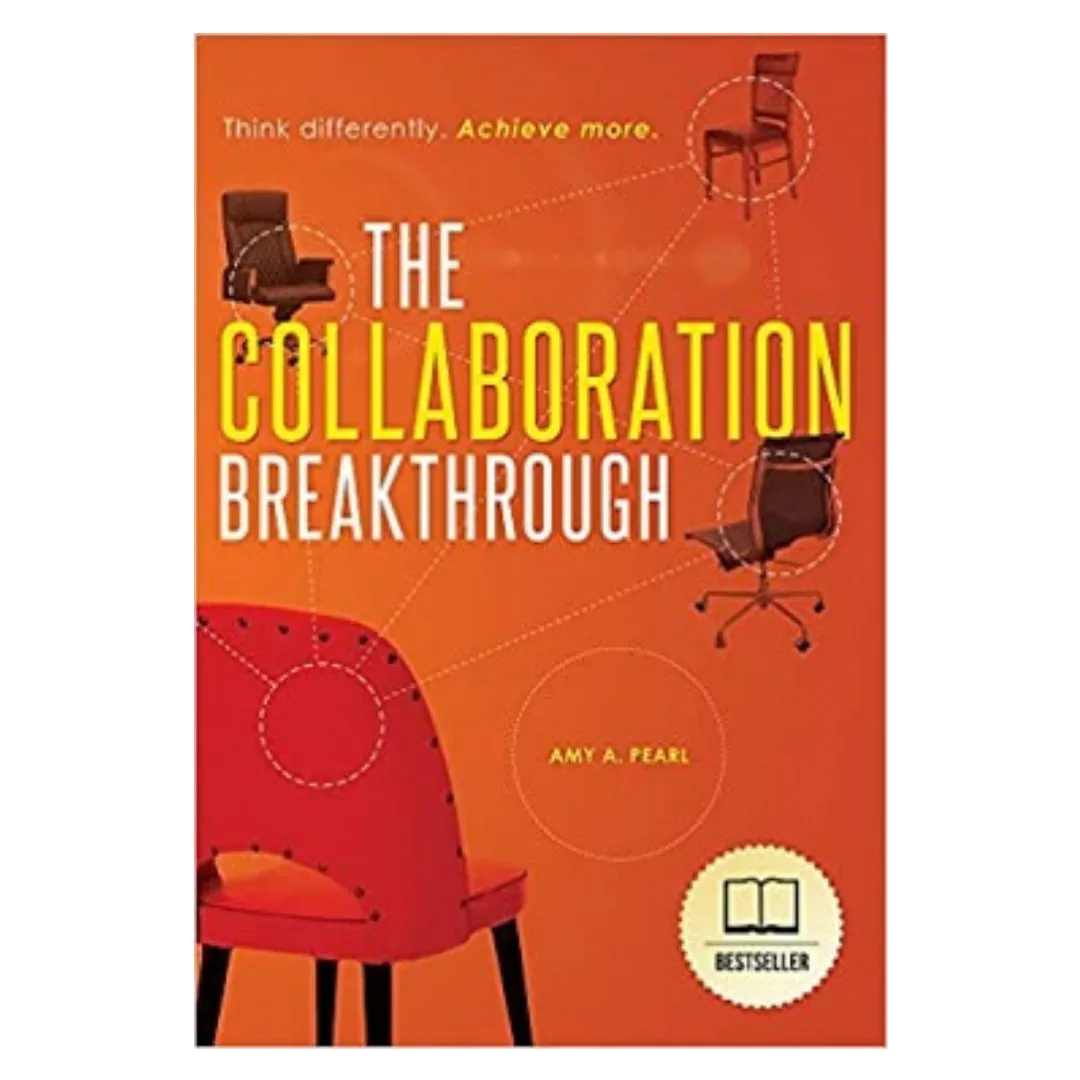
Collaboration
Breakthrough
Create a workplace you love with our best-selling book, employee survey, and interactive team experience.

Coaching
Conversations
Replace your archaic review process
with an online system to
guide GREAT conversations.
Download the Best Interview Questions
for Virtual Job Candidates
Check out our recent news and blog.

5 Reasons to Assess Critical Thinking Skills of Your Job Candidates
Quick Answer:
Research shows that cognitive ability (aka Thinking Style or Critical Thinking Skills) is a strong predictor of job performance. It reveals who can handle a role’s complexity as it grows, not just today. It’s genuinely difficult to fake and its predictive power doesn’t plateau over time.
I’ll be straight with you on something I’ve noticed myself and that the research generally backs up: thinking style seems to be one of the more fixed traits a person has. You either have a certain level of raw cognitive horsepower, or you don’t, and I haven’t found solid evidence that it can be meaningfully trained up in adulthood the way a skill or a habit can. That’s not a life sentence to low-level work for anyone, and it’s definitely not a measure of someone’s worth. It just means it’s a piece of the puzzle worth being honest about rather than assuming everyone can be coached into the same cognitive range with enough effort and a good manager.
It's also important to note that not everyone needs to be at the top of the critical thinking scale. Plenty of people build extraordinary careers on the strength of their behavioral traits and hard-won experience, without ever needing to be a rocket scientist.
But, failure to measure cognitive ability during the hiring process can have big negative consequences!
Many years ago, I managed a bank branch. One of the gals on my team, let's call her "Lucy," worked at the customer service counter. Lucy was lovely - pleasant, personable, detail-oriented, and a diligent worker. We both moved on from that branch and I never saw Lucy again.
Fast forward 20 years, I was coaching the Chief Operating Officer at a large hospital. Let's call him Jack. One day, Jack was lamenting over a financial analyst on his team. He was frustrated because she would do the analysis he asked her to do and produce the reports he asked her to produce, but she never took it a step farther. She didn't dive deeper into the data to understand the trends or the root causes of the results, nor did she ever make any recommendations for improvement. He was particularly struggling because she was genuinely a nice person who was always willing to help others.
I asked if he used an assessment during the candidate screening process and sure enough, he did. I told him to pull up the results so we could take a look. It wasn't surprising to me that her critical thinking skills were average. She was doing average thinking work like analysis and reporting. What was surprising to me was that it was Lucy from my old bank branch! Her assessment results couldn't have painted a truer picture of her - kind, helpful, accommodating, a strong desire to serve, detail-oriented - perfect for the customer service role that I remember her doing so well. But, I also knew instantly that she was not a good fit for a tough, demanding COO who expected her to solve some pretty big problems.
Jack was irritated that he didn't put more credence into the assessment results. Underneath his icy, dominant exterior, Jack really had a big heart. So, he found Lucy a different role in the hospital that truly aligned with her strengths. Then, he hired a new analyst with stronger thinking skills. And, they all lived happily ever after.
This isn’t about ranking human value. It’s about matching people to roles where they’ll actually thrive. So, here's my rationale for why cognitive thinking should be assessed during the hiring process.
1. It’s One of the Most Researched Predictors in Hiring Science
Schmidt and Hunter’s landmark 1998 meta-analysis reviewed 85 years of selection research and found that general cognitive ability predicts job performance at roughly r = .51, substantially higher than traditional hiring signals such as education or years of experience. For context, education alone predicts performance at only about r = .10, and experience alone at around r = .18, with diminishing returns after roughly five years. Cognitive ability has held up as one of the strongest single predictors across nearly every occupation studied since.
2. It Gets Stronger, Not Weaker, When Paired With a Good Interview
More recent research has actually reframed this conversation in an interesting way. A 2022 re-analysis led by Paul Sackett suggested that structured interviews are a strong predictor of success, which is a meaningful update worth knowing about rather than ignoring. But here’s the part that matters most for how you should actually hire: pairing a cognitive ability assessment with a structured interview produces composite validity above .60, meaningfully higher than either tool alone. That’s exactly why I’ve never recommended leaning on an assessment by itself or an interview by itself. Assessments are built to work alongside a strong interview process, not replace one.
3. It Shows Who Can Handle Tomorrow’s Complexity, Not Just Today’s Job
I recently worked on a project evaluating technicians across different levels of the same organization, and it turned into one of the cleanest examples I’ve seen of this in action. Behavioral traits across the group were genuinely all over the map, steady and urgent, reserved and outgoing, plenty of each doing well. Thinking style told a completely different story. As technicians moved into roles demanding bigger, thornier problems, their thinking style scores climbed right alongside the complexity of the work. The technicians who struggled at the higher levels weren’t struggling because of personality or attitude. They simply didn't have the cognitive bandwidth the more complex role demanded.
Cognitive assessments are an early warning system. If you’re hiring or promoting someone into a role where the complexity ramps up, knowing someone’s thinking style tells you whether you’re helping them grow into the job or setting them up to quietly drown in it while everyone around them wonders what went wrong.
4. It’s Genuinely Hard to Fake
Thinking style assessment questions can't be shaded toward a socially desirable answer. There’s a right answer to a numeric or verbal reasoning problem regardless of how a candidate wants to be perceived. Compare that to an interview, where a well-prepared candidate can rehearse compelling answers to nearly any behavioral question you’re likely to ask. There’s no equivalent script for a reasoning problem you’ve never seen before.
5. Its Predictive Power Doesn’t Quietly Plateau
Experience is a great predictor of performance for the first few years on the job, and then its usefulness levels off fast, with research showing diminishing returns after roughly five years. Cognitive ability doesn’t work that way. Research using large-scale military occupational data across 31 diverse jobs found that the validity of general cognitive ability in predicting job-specific performance stays remarkably stable across different levels of job experience, meaning it keeps mattering years into a role, long after “years of experience” fades. Put plainly, five years from now, a new-comer with strong thinking skills will likely outperform the twenty-year veteran with weaker thinking skills on the cognitively demanding parts of the job.
Quick Answers to What People Actually Ask Me
Does a lower thinking score mean someone is less intelligent overall? No. It measures specific things, like verbal and numerical reasoning, whether someone can distinguish between assumptions from facts, and can they draw valid conclusions from information. Those things matter for certain kinds of roles. It says nothing about creativity, attitude, emotional intelligence, work ethic, or dozens of other factors that make someone valuable and contribute to their problem solving ability.
Can someone improve their score over time with practice or training? The bulk of the research, including large replication studies on working memory training, doesn’t support meaningful, lasting gains in fluid reasoning ability in adults, though people can absolutely get better at specific learned skills and knowledge over time. It’s a genuinely debated area in cognitive science, but the evidence currently leans toward “fairly stable” rather than “highly trainable.”
Can AI close the critical thinking gap for people? I think it's too soon to tell. Anyone can type a problem into ChatGPT and, after telling you how wonderful you are for asking the question, it will give you a solution to the problem. The catch is, you have to be smart enough to ask the right question and smart enough to critique the answer to ensure it makes sense. At least for today, AI can be a support, but I wouldn't rely on it to close the cognitive gap for an employee in a job that requires a high degree of critical thinking.
What is the difference between an IQ test and a cognitive test? A cognitive test is not the same as an IQ test, though all IQ tests are cognitive tests, but not all cognitive tests are IQ tests. An IQ test is a specific, standardized test that measures general intelligence compared to the population. Pre-employment assessments check for job-related skills for success such as numerical reasoning, verbal ability, and problem solving.
Should thinking skills alone ever be the deciding factor in a hiring decision? No, and I’d say that about any single characteristic on any assessment. It’s one strong piece of a much bigger picture, weighted alongside personality traits, motivational interests, past experiences, references from others, a strong interview, and other factors. My recommendation is that assessment results should never account for more than one-third of the hiring decision.
Why wouldn't I want every employee to be at the top of the thinking scales? First, that rocket scientist that you want to hire will likely be bored to tears if they don't have rockets to build. Although every job comes with problems to be solved, those problems come in varying degrees. Aligning the level of the problem with the level of the employee's thinking skills contributes to greater levels of success and also fulfillment in the role. Second, somewhere along the way, you've probably run into someone who is just too smart for their own good. They have trouble relating to normal humans (like me) and they come across as too academic or intellectually isolated. Remember, it's all about fit and there's a place for everyone, maybe in your organization or maybe someplace else.
Where to Go From Here
Want to know more about how complexity thresholds get built into a role's target profile? Check out my post: "What is a Job Profile?"
Curious what this actually looks like on a real candidate? Download a sample PXT Select Comprehensive Selection Report or schedule a meeting with me to try PXT Select on your first candidate for free.
Stay Ignited!