











Leadership Coaching
Discover your talents. Achieve your goals. Get ignited for your future!
Why you need a coach!
Successful individuals make time to focus on their own professional and personal development. Perhaps you are looking for advice on how to inspire your team, manage conflict, make better decisions, or mentor others. Or, you might just be searching for a confidant to listen to your ideas and concerns.
One-on-one coaching is right for you if you want to...
Get others excited about your vision and goals
Build a collaborative and high performing team
Communicate more effectively with individuals at every level of your organization
Become a stronger critical and strategic thinker
Build influence, even where you don't have direct authority
Get problem solving techniques to drive decision-making and accountability
Establish your executive presence
Transform your workplace culture
Find better balance between your professional and personal life
Spend your time in a way that capitalizes on your strengths and ignites your days!
Our proven coaching process is designed to get fast results while building new habits that drive performance and better living.
Our One-on-One Coaching Process

Phase 1:
Discover Your Talents
We use a variety of self-assessments and 360 degree feedback to identify your strengths, as well as what you can do better, differently or more often. You'll create a clear picture of your talents and define your success path to achieve your professional and personal goals.

Phase 2:
Achieve Your Goals
You'll get tools, tips, and techniques to capitalize on your strengths. You'll overcome the challenges faced in your work and implement simple frameworks and habits to boost your productivity, relationships, personal wellness, and mindset to live a purposeful life.

Phase 3:
Get Ignited
We'll make sure you stay focused to ensure your new skills and behaviors are sustainable. You'll also focus on long-term goals to help you find fulfillment in work and life. Most importantly, you'll gain the confidence and energy to be the best leader you can be.
We are honored to have been chosen to
coach leaders from organizations such as:




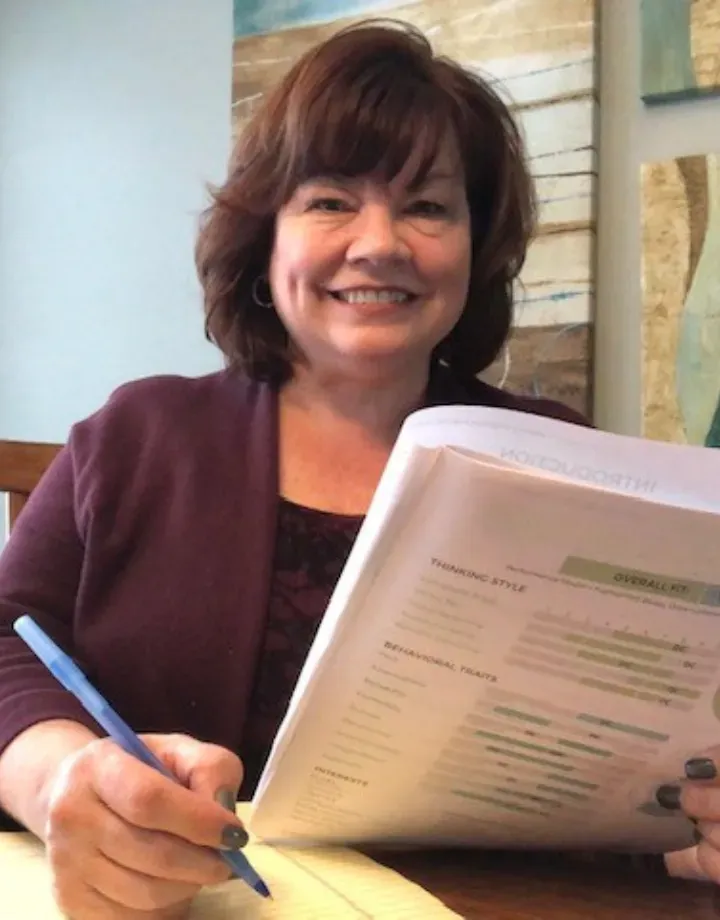
Hi. I'm Amy Pearl.
Hi. I'm Amy Pearl and I've dedicated my life to helping leaders like you overcome tough challenges, ignite their passion, and achieve their goals. I'd love to help you, too!
As your coach, my job is to listen, share insight and ideas, and push you toward your goals. I might ask hard questions at times, especially when I see more potential in you than you see in yourself. Ultimately, I want you to be much more in tune with your own ideas, thoughts, and confidence so you can solve problems on your own, long after our coaching process is over.
During the last 3 decades, I've helped hundreds of professionals, from CEO's of multi-billion dollar companies to high potentials just starting out. I've gained a reputation as a no-nonsense yet fun-loving coach who asks thought-provoking questions and delivers actionable ideas.
I welcome the opportunity to help you achieve your goals!
How You and I Will Work Together
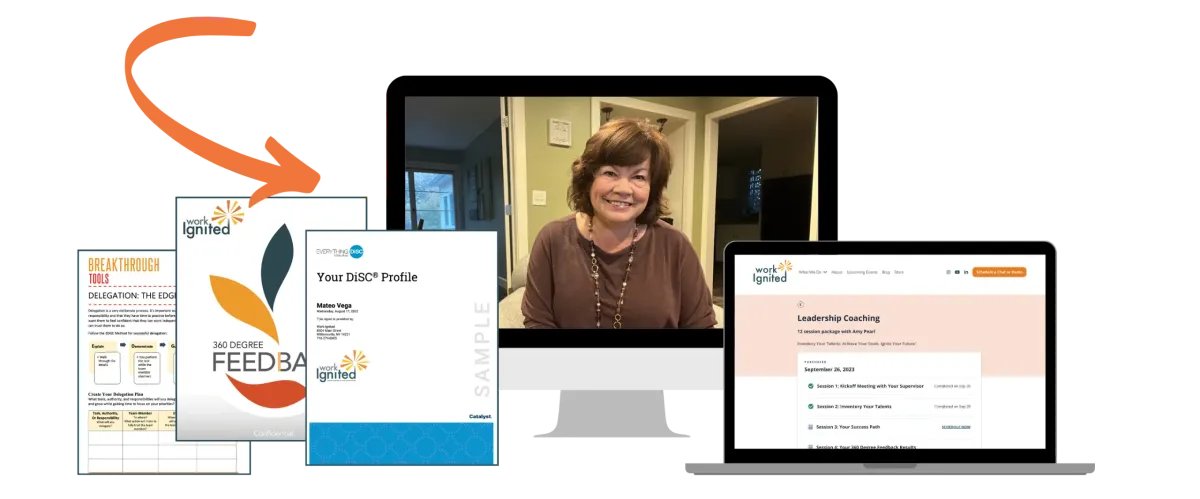
Following a Kickoff Meeting with your supervisor, we'll begin by meeting every 2 weeks for 1 hour. This way, you'll hit the ground running and make fast progress toward your goals, while giving you enough time between meetings to implement new approaches. You'll define your personal Success Path and the priorities that we'll work on during each meeting. After each session, you'll feel more prepared and confident to tackle the real-life situations you're facing, while building new habits to achieve your goals.
Over time, we'll stretch our coaching conversations out so we meet every 3-to-4 weeks. This way, I'll serve as your accountability partner and we'll ensure your new habits are sustainable for the long-term. We'll also include your supervisor in a mid-way Process Check Meeting, as well as a Wrap Up Meeting to celebrate your successes and ensure they are prepared to support you for the long-term.
Plus, you'll have your own personal Coaching Portal to keep notes, store your assessment results,
access dozens of my best frameworks, and stay focused on your goals!
January
Kickoff Meeting
We'll begin by meeting with you and your supervisor. We'll discuss the program details and establish your objectives. This way, we can customize the program to achieve your goals.
February 15th
Getting Started
Manage your priorities, not your time. We'll help you discover how to create a Collaborative Workplace and refine your priorities to focus on the workplace you desire for your team and yourself.
February 29th
Your Mindset Matters
Ignited leadership takes the right thinking. We'll use the Agile EQ Profile to explore your natural mindsets and build your stretch mindsets so you can feel confident and prepared heading into any situation.
March 14th
Listening & Communication
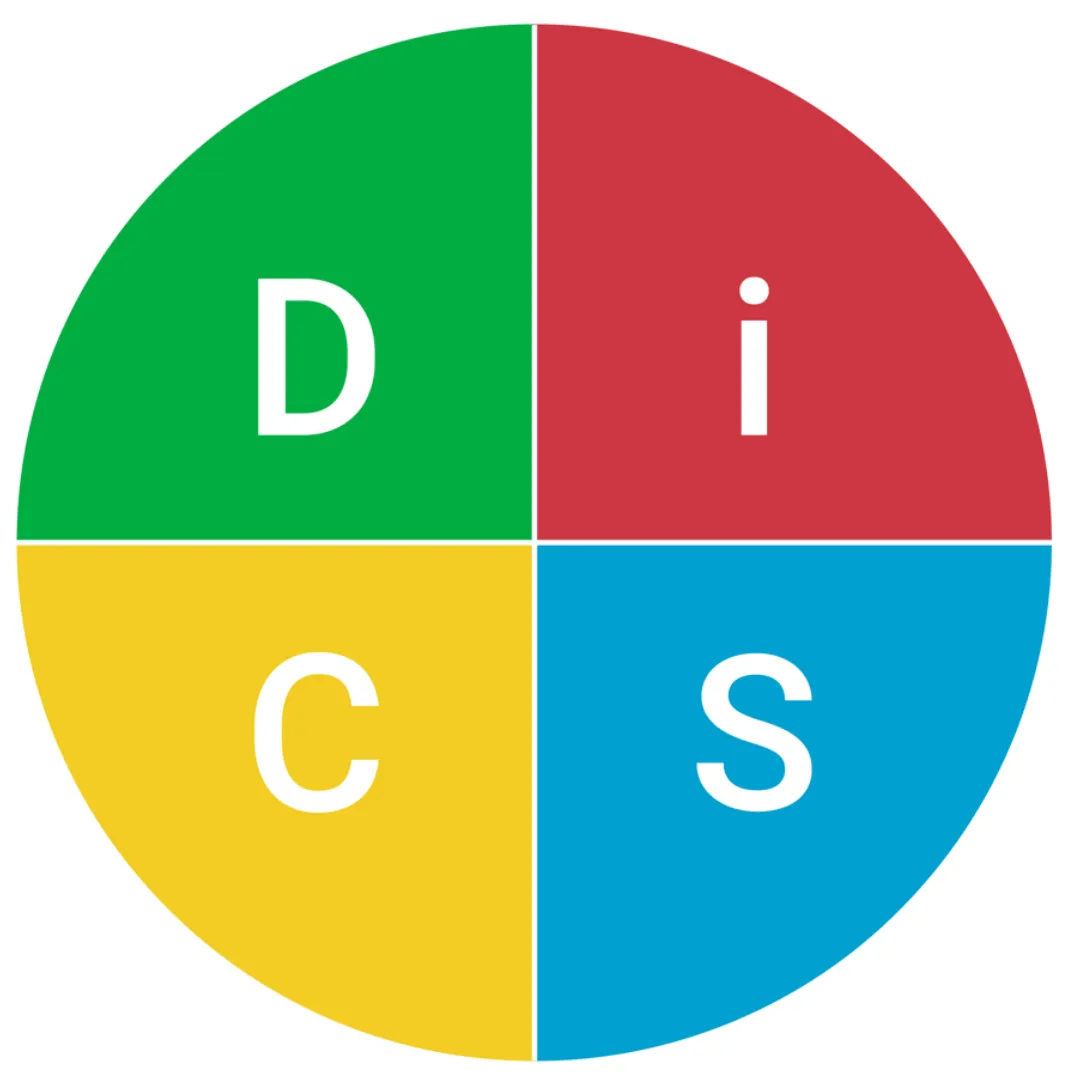
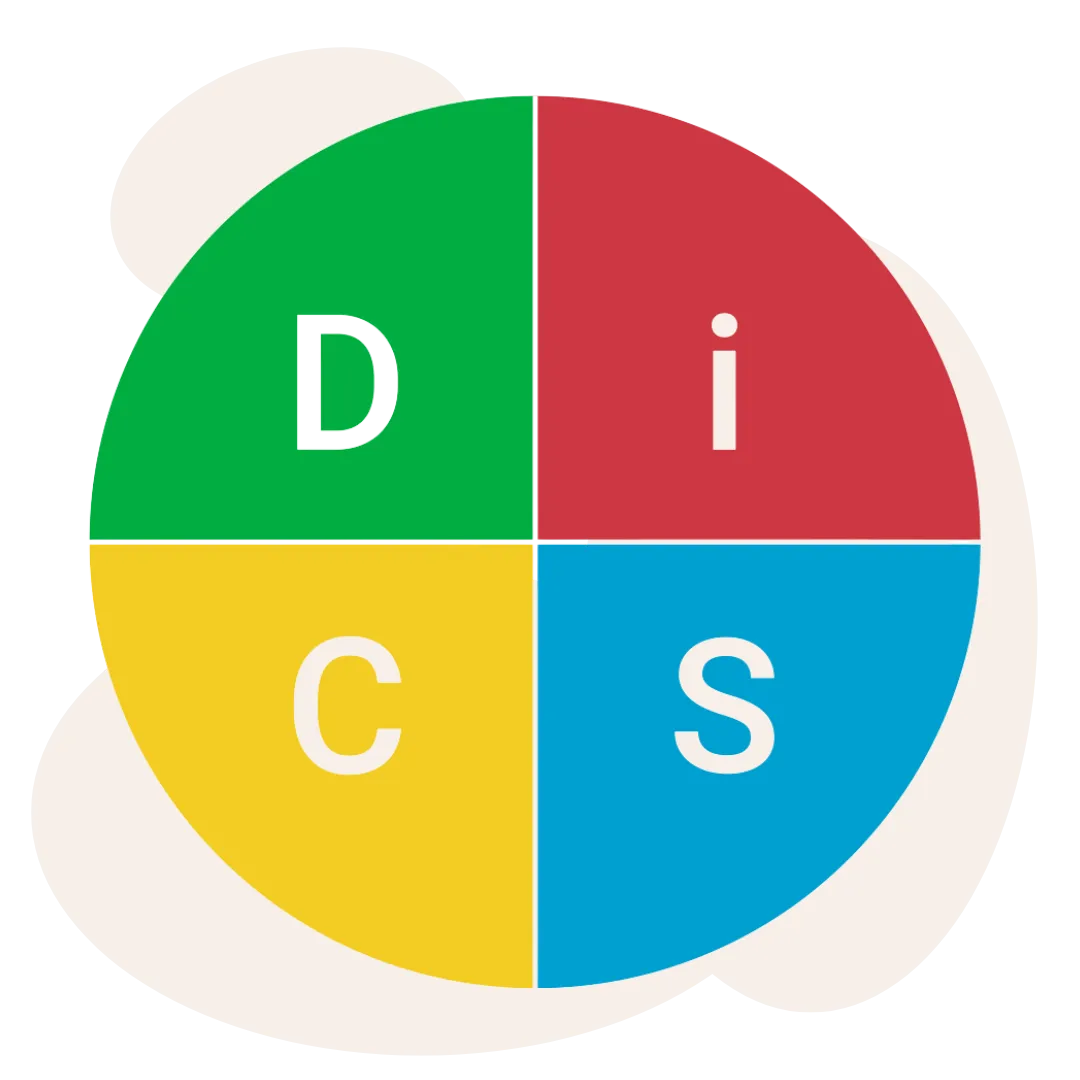
Ignited leaders are intentional when communicating with others. You'll use Everything DiSC and our Ignited Listening Profile to get personalized tips to communicate with your direct reports, peers, boss, and other colleagues to bolster your credibility, build relationships, and manage tense situations.
March
One-on-One Coaching 360 Degree Feedback
Inventory your strengths and identify improvement opportunities to be the best you can be. You'll get anonymous feedback from your direct reports, peers, supervisor, and others in an objective way. Then, we'll review your results in a one-on-one meeting to develop personalized strategies for your success.
March 28th
Your Strategic Playbook
Become crystal clear about your strategy for your department and your work. You'll write Your Playbook based on research and input from others. Then, you'll create a system of accountability for yourself and your team to maximize your contribution and stay focused on the big picture.
April 11th
Managing Performance
Create a culture of accountability and opportunity for your teams with the tools and techniques to set expectations, celebrate successes, and help team members who fall off track. Then, take the next step to coach your teams to find their own success through delegation and development.
April 25th
Managing Teams
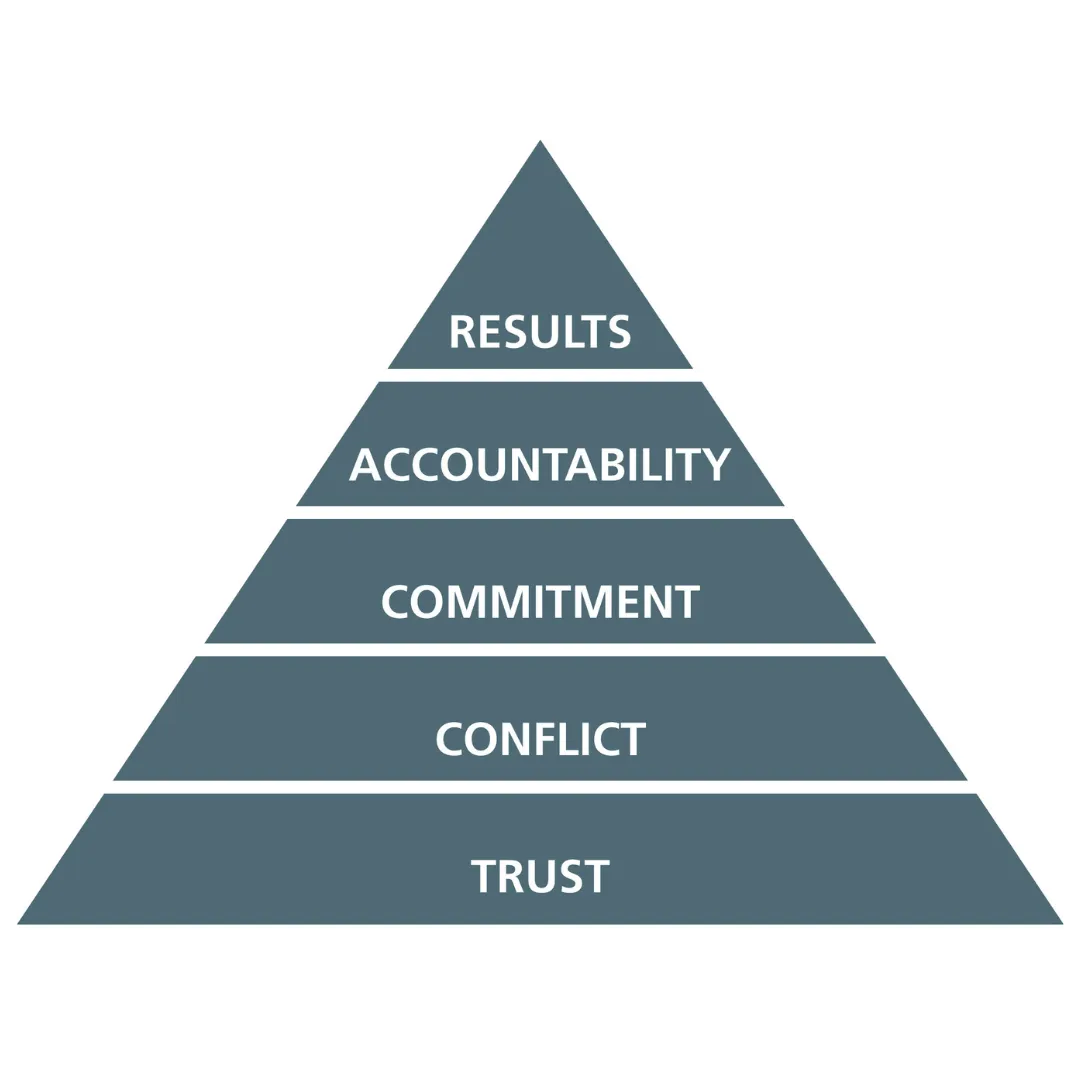
Whether you're working in the office, 100% remotely, or in a hybrid-environment, a collaborative team requires five behaviors: trust, healthy conflict, commitment, peer-to-peer accountability, and a spirit of shared results. You'll get a Teams Toolkit to make this happen.
May 9th
Managing Change
Discover eight powerful influencing strategies, how to use them and when to apply them. Then, you'll learn an 8-step process for driving sustainable change and creating a spirit of continuous improvement.
May 23rd
Graduation Celebration
We'll celebrate your accomplishments with an all-out graduation celebration. You'll learn the habits of people who get recognized at work. Then, you'll create your long-term success path to create the career and life you desire!
June
One-on-One Coaching
We'll reflect on all you've learned and the daily habits you've put in place to be a strong leader. Then, based on your career and personal goals, we'll ensure you have a plan to sustain the changes you've put in place and the tools and frameworks to achieve your goals.
I only take a few new clients on each month. So, don't delay!
$8,500
You Get It All!
12 Virtual Coaching Meetings including a Kickoff and 2 follow up meetings with your supervisor
Self-Assessments like the WorkPlace Big Five Profile, Everything DiSC, Agile EQ, and the Ignited Listening Profile
360 Degree Feedback customized for your organization and unique needs
Private Online Coaching Portal
Dozens of My Best Frameworks
Lots of attention, ideas, and motivation to achieve your goals
Still have a few questions? Read below.
How do I know this will address my issues?
Our goal is to achieve your goals. So, I begin by meeting with you and your supervisor to understand your objectives and unique needs. After coaching countless leaders over the last 2+ decades, I've developed lots of strategies, frameworks, and tools to solve even the toughest challenges.
Of course, I don't know everything, especially when it comes to the nuances of your role or organization. But, if I don't have a trick in my magic bag, we'll figure it out together!
How are our coaching sessions structured?
Our meetings last about an hour.
Initially, we'll use the WorkPlace Big Five Profile so you can inventory your talents and I can get to know you in a language that I understand. Then, we'll initiate the 360 process to understand others' perceptions and to create a plan for the rest of our meetings.
At those subsequent sessions, we'll discuss your challenges and how best to conquer them. And, I'll help you implement simple habits to ensure your desired results are sustainable.
How long does the whole process take?
We'll meet 12 times, initially every other week and then, stretching our latter meetings out a bit to ensure you stay committed to your new behaviors for the long term. So, the entire process takes about 6-8 months.
Interested in moving faster? We can give it a shot. But I find that lasting change take time. Plus, I want you to have time between each session to try new things and make real progress!
What is the cost?
At Work Ignited, we recognize that the fee for our services is your investment in anticipation of higher levels of performance and ultimately, greater financial return. So we strive to offer our high quality service at a fair value. The fee for our One-on-One Leadership Coaching Program is $8,500.
This includes all of our meeting time as well as all assessments, materials, and access to our online coaching portal.
How did Amy learn to be a coach?
I've been formally and personally trained to be a leadership coach by some of the world's leading coaches including Brendon Burchard and Patrick Lencioni. I've studied the impact of personalities and styles at work through numerous assessment certifications, and I'm a top tier award winner for the use of Wiley's Everything DiSC and associated tools. For over 20 years, I've worked with leaders from Caterpillar, Duracell, Wegmans, Barilla, Blue Cross Blue Shield, FeedMore, the United Way and countless organizations of every size and almost every industry.
But, nothing replaces the learning that comes from real world experience. I spent over a decade working for M&T Bank in sales, tech, and operations. I successfully led large teams and some of the most ambitious projects the bank pursued at the time. I now run a 7-figure business. I've had to hire, fire, motivate, inspire, block, tackle, and lead.
I know leadership and life isn't always easy, but I use my knowledge, experience, and tenacity to help you overcome the challenges, achieve your goals, and feel ignited by your work.
Do you offer a guarantee?
In 20+ years, I've never had a dissatisfied customer. I work hard to achieve your goals and I trust that you will do the same. I can't do the work for you, but if you're committed to your own professional and personal growth, so am I.
That being said, I appreciate there are some tricky situations.
Sometimes, paying the full fee up front is difficult. If you'd prefer a three-pay option, just email me at [email protected]. I can set up the payment system so you pay 1/3 up front, 1/3 after our Process Check Meeting with your supervisor, and find final 1/3 at the beginning of the Get Ignited phase.
Sometimes, organizations hire me to coach people because they have lots of potential. Other times, my coaching clients are struggling and this is a final attempt to help them improve. If you're an HR professional or executive trying to decide if coaching is right for one of your leaders, let's talk before you make this investment. Just email me at [email protected] and we'll connect!
The best time to ignite your leadership skills is today.
I know you're busy and perhaps feeling overwhelmed or worried about taking something like this on.
There's no doubt the world is quickly changing - hybrid workforces and today's economy are creating a lot of uncertainty and challenges. I hear you, friend, and I'm here for you.
I truly believe that there's never been a better (or more important) time to double down on building your leadership skills. Today's workforce is looking for a sense of purpose, social connections, and to feel valued for the difference they make. That takes a new set of skills that you might not have needed in the past. Not only will one-on-one coaching give you those skills, it will give you the discipline to put them in place as small, daily habits. So, they are easy!
I don't want you to look back in 6 or even 12 months with those same problems sitting on your desk, wondering what could have been if you only took action.
I want you to feel proud of what you accomplished and confident in what you can achieve. There's no time to waste. Let's get started!
Amy Pearl

Let's do this!
$8,500
You Get It All!
12 Virtual Coaching Meetings including a Kickoff and 2 follow up meetings with your supervisor
Self-Assessments like the WorkPlace Big Five Profile, Everything DiSC, Agile EQ, and the Ignited Listening Profile
360 Degree Feedback customized for your organization and your unique needs
Private Online Coaching Portal
Dozens of My Best Frameworks
Lots of attention, ideas, and motivation to achieve your goals

Click the images below to achieve your goals.

Assessment
Solutions
Explore our assessments for candidate screening, development, team building, succession planning, and more.

Fabulous
Together
Give the women in your organization the coaching, confidence, and connections they need to have successful careers and a fabulous lives.

e-Learning
Made Easy
Create an amazing learning experience
whether your team is
at the office, at home, or on the go.

Lead
Ignited
Be the best leader you can be
with this award-winning
learning opportunity.

Collaboration
Breakthrough
Create a workplace you love with our best-selling book, employee survey, and interactive team experience.

Coaching
Conversations
Replace your archaic review process
with an online system to
guide GREAT conversations.
Download the Best Interview Questions
for Virtual Job Candidates
Check out our recent news and blog.

Should You Hire a Candidate if Their Assessment Results Don't Match Your Ideal Profile?
Quick Answer
Sometimes, yes. Failure to perfectly match a target job profile doesn’t automatically disqualify someone. What actually matters is which specific area is off, how far off it is, and whether the trait in question tends to be fixed or one that flexes with coaching and experience. A mismatch is a prompt to ask better questions, not a verdict handed down by a graph.
This is one of the questions I get asked most often, usually by a hiring manager staring at a report with a slightly furrowed brow, wondering if they’re allowed to like a candidate the results don't fully endorse. You are. A fit score is a compass, guiding you to ask better questions in your follow up interviews and reference checks.
Once upon a time, I was working with a leadership team of a small manufacturing company and I ran into a funny fit dilemma. Often, executives have three common Motivational Interests. They tend to be interested in business activities like sales and delivering presentations, financial activities like budgeting and managing the numbers, and either serving people (if they are people-oriented) or technical activities (if they are more task-oriented). Well, almost every member of this particular leadership team was motivated by mechanical pursuits like hands-on activities and building things. You might say, "well, of course, Amy, it's a manufacturing company." Remember, these were executives who advanced beyond the day-to-day work. A preference for mechanical work could have resulted in them spending too much time in the weeds versus focusing on business strategy and leadership.
Here's the funny thing...as I got to know them, I learned that they all owned, built, or drove race cars. In fact, it was something that brought them all together and it was the outlet for their mechanical desires. But, if you just looked at their assessment results, you might not have hired them assuming that they had stronger preferences for doing the work rather than leading the organization.
No candidate is perfect and an assessment is not meant to be a yes-or-no decision maker. It's a tool to guide your actions through the balance of the hiring process, as well as the coaching approach you'll initiate on Day 1 if you choose to hire the candidate.
Follow these 5 steps as a guide to determine how risky the hiring mismatch might be.
1. Figure Out Which Kind of Mismatch You’re Looking At
Not all mismatches carry the same weight, and treating them like they do is where most hiring managers go wrong. A critical thinking or thinking style mismatch, especially one below the range for a role with real cognitive demands, matters more than people usually assume, because it tends to reflect a fairly stable ceiling rather than something that improves with training. Behavioral and personality mismatches are a different animal entirely. Someone who’s more unassuming than a role’s Performance Model calls for isn’t lacking a fixed ability, they simply default to a different style, one that can shift situationally when the role demands it. A Motivational Interests mismatch sits somewhere in between: it’s not about capability at all, it’s about whether the day-to-day work is likely to hold someone’s attention long term.
Note: Different assessments measure different things. If you aren't using a comprehensive tool, check out my blog post called "What Do Pre-Employment Assessments Actually Measure?"
2. How Far Off Is “Off”?
Context matters as much as direction. Remember that no one is ever a perfect match. You will likely see candidates whose scores are above or below your desired range. How important is that characteristic for success in the position, for the hiring manager, and to support the organization's culture? It might be a gap that isn't very important to you. Also consider how far out of the range the score actually is. Is it just a tad bit outside of the range? Or, does a candidate bringing more of something to the table present new opportunities for you?
3. Some Traits Flex More Than Others
This is worth understanding on its own, because it changes how forgiving you can afford to be. Behaviors and personality traits live on a continuum, and some people can flex toward the other end of that continuum situationally, especially with the right coaching and enough motivation to do it. An unassuming candidate might learn to speak up especially once they become comfortable in the role. A more deliberate decision-maker can learn to move faster when you're clear about priorities and timelines.
Critical thinking skills don't flex the same way. The research I’ve written about before is fairly consistent that cognitive ability is one of the more stable traits a person carries into adulthood, which means a real gap there deserves more caution than an equivalent-looking gap in a behavioral scale.
4. How Big is the Impact?
It's worth considering the real cost of being wrong in either direction for a specific role based on the scope and breadth of that role. A professional individual contributor role and a role managing a team of twelve carry very different stakes for the same size of mismatch.
5. How Much am I Willing to Coach?
Finally, hiring managers should be realistic in how much time and effort they are willing to put into the coaching process. Some managers have a real gift for developing talent and thrive on the ability to help people grow into successful contributors. For other managers, this falls to the bottom of the priority list. If it's a coachable trait and you're willing to put the time in, go for it!
When a Mismatch Is Actually a Yellow Flag, Not a Red One
A miss on a few characteristics, paired with a strong interview and solid references, is usually a yellow flag worth exploring rather than a reason to pass. Ask direct, specific questions about the gaps. If a role calls for someone more autonomous and the candidate’s results lean more reliant, ask them to walk you through a time they had to make a significant decision with minimal guidance, and listen for whether they actually did it, or whether they froze and waited for someone else to step in. The answer tells you far more than the score alone ever could. The good news is that assessments like PXT Select provide recommended interview questions to help you determine how an individual has closed those gaps in the past. It makes it easy for recruiters and hiring managers to quickly learn how big a risk it actually is. Download a sample of the PXT Comprehensive Selection Report here.
When to Actually Say No
Some mismatches deserve real weight, and pretending otherwise does nobody any favors. A significant gap in critical thinking skills for a role where the complexity is going to climb is worth taking seriously. The same goes for other characteristics that you know are essential for success in the position, with the team, and in the organization. A borderline mismatch that you validate with a shaky reference or a vague interview answer, might also become a "no go." One yellow flag alone rarely means no. Several pointing the same direction usually does.
Questions People Often Ask Me
What if the mismatch is specifically in critical thinking skills or thinking style? Take it more seriously than a behavior, personality, or motivational interests mismatch of similar size, particularly if the role’s complexity is likely to grow over time.
Can someone “outperform” a lower fit score? Yes, especially when the gap is in a flexible trait, the rest of the evidence/interview/references is strong, and the coaching process starts on Day 1. Fit scores describe a tendency, not a guarantee. Download a sample of the PXT Select Coaching Report to see how it can give you a quick boost for understanding and closing gaps with your new hires.
What if HR loves a candidate but the assessment results don’t match? That’s not a contradiction to resolve in favor of one side automatically. Assessments open your eyes to things you might miss and other people will likely have different perspectives. Check out my blog post "3 is the Magic Number Behind Every Great Hire" to learn how to overcome perception mismatches.
Should I tell a candidate about their fit or match to our target profile? I do not recommend that you share assessment results with candidates until you hire them. And then, absolutely yes, you should integrate the results into several steps on the onboarding path. Explore all the PXT Select Reports to get ideas for using assessment results post-hire. It's a great way to maximize the return on your investment in candidate screening assessments.
Is there a fit so poor I should never proceed? There’s no hard universal cutoff, but a very low score combined with real concerns from the interview or references is a different situation than a moderate score standing alone. After you use an assessment tool for a while, you'll start to get a feel for thresholds you are willing to tolerate and characteristics that are particularly important to your organization.
Does the answer change for an internal promotion versus an external hire? Somewhat. With an internal candidate, you usually have years of actual observed performance to weigh against the assessment, which is far richer evidence than an interview and references for an external candidate. That track record should carry real weight alongside the fit score, not get overridden by it. Warning! Don't be tempted to skip the assessment, just because you know the individual. The objective data an assessment provides is an excellent way to eliminate bias in your promotional decisions while understanding the potential strengths and risks of the employee moving into a new position.
Where to Go From Here
If you haven’t read "3 is the Magic Number Behind Every Great Hire," it’s the piece that explains why a mismatch should never be the sole deciding factor in the first place. And if you want to understand exactly how a Performance Model or job profile gets built, "What is a Job Profile?" walks through that in full.
A lower fit is information, not a final determination. Use it to ask better questions, not to make the decision for you.
Want to talk through a specific candidate's questionable results? Book a free demo and I’ll walk you through exactly how to intepret results that aren't cut and dried.
Stay Ignited!