








Lead Ignited
Ignite your passion.
Ignite your team.
Ignite your workplace.

Are you looking for a deep-dive leadership program that helps high potential mid-level and senior leaders:
Get others excited about their vision and goals
Build a collaborative team
Communicate effectively at every level of your organization
Become stronger critical and strategic thinkers
Build influence, even where they don't have direct authority
Get problem solving techniques to drive decision-making and accountability
Establish executive presence
Spend their time in a way that capitalizes on their strengths and ignites their days!
Your leaders will ignite their passion to get results. They'll also benefit from the self-awareness gained through assessments and 360 degree feedback, stronger relationships with their classmates, and and learning that lasts.

Inventory Your Talents
We use a variety of self-assessments and 360 degree feedback to help leaders identify their strengths, as well as what they can do better, differently or more often. Leaders develop a clear picture of their talents and create a plan to achieve their professional and personal goals.

Achieve Your Goals
During eight, two-hour virtual workshops and two one-on-one coaching sessions, leaders get tools, tips, and techniques to capitalize on their strengths. We'll discuss ways to overcome the challenges faced at work and develop ideas for accomplishing their individual goals.

Get Ignited
Leaders learn with their peers to break down silos and succeed together. We'll make sure leaders stay focused to achieve their goals and that their new skills and behaviors are sustainable. Most importantly, ignited leaders gain the confidence and energy to be the best leaders they can be.
Over 75% of our graduates have gone on to higher levels of leadership.
We are proud to have graduates from
dozens of amazing organizations including:


Hi. I'm Amy Pearl.
Hi. I'm Amy Pearl and I've dedicated my life to helping leaders like you overcome tough challenges at work, ignite their passion and achieve their goals. I'd love to help you, too!
I created everything in Lead Ignited over 3 decades, first, as a corporate gal working for a big bank and then, by coaching hundreds of professionals, from CEO's of multi-billion dollar companies to high potentials just starting out. I've gained a reputation as a no-nonsense yet fun-loving coach who asks thought-provoking questions and delivers actionable ideas.
I invite you to join Lead Ignited. Every tip you'll learn has been tested by my clients. So, I know they'll work for you, too!
Here are All the Details
Through Lead Ignited, leaders meet for two hours, virtually, every two-weeks to focus on today's most important leadership topics. Prior to each session, they'll spend about 30 minutes preparing for the session using our online learning platform and a downloadable Power Pages workbook. After each live session, they'll have an implementation week to try new things
and to get some quick wins.

Kickoff
Meeting
We'll begin by meeting with you and your supervisor. We'll discuss the program details and establish your objectives. This way, we can customize the program to achieve your goals.
Session 1:
Getting Started
Manage your priorities, not your time. We'll help you discover how to create a Collaborative Workplace and refine your priorities to focus on the workplace you desire for your team and yourself.
Session 2:
Your Mindset Matters
Ignited leadership takes the right thinking. We'll use the Agile EQ Profile to explore your natural mindsets and build your stretch mindsets so you can feel confident and prepared heading into any situation.
Session 3: Listening &
Communication
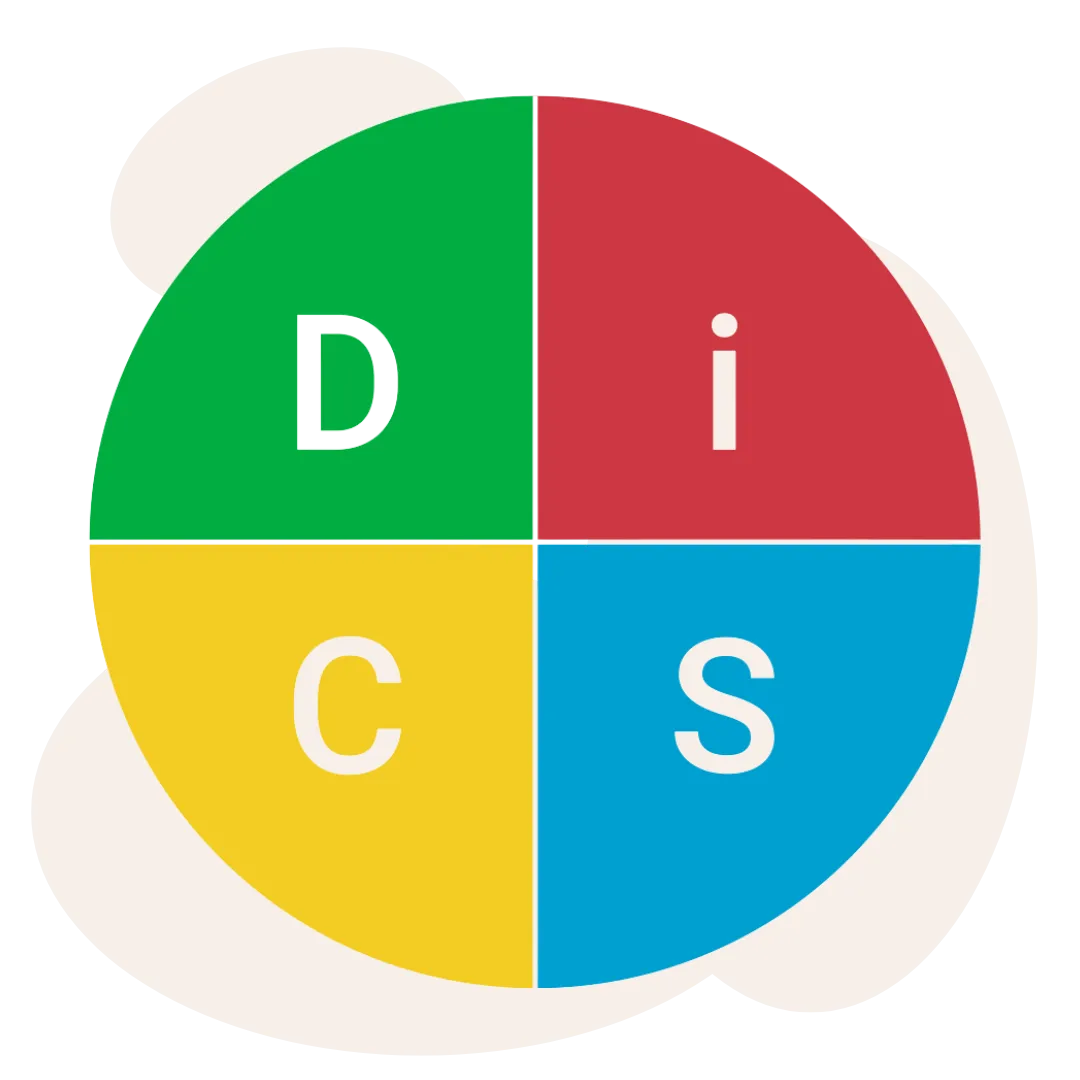
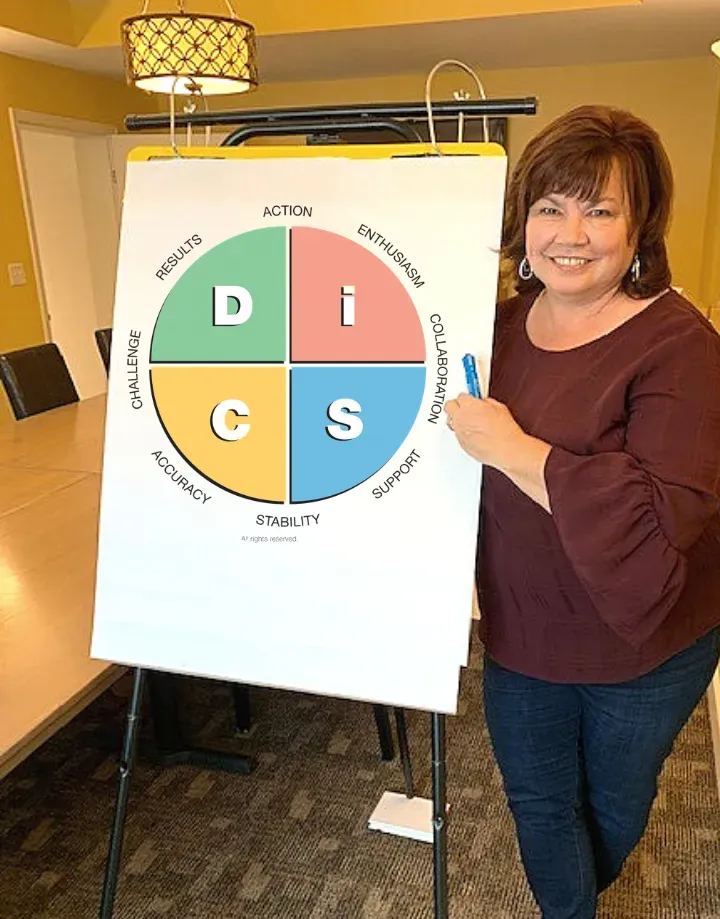
Ignited leaders are intentional when communicating with others. You'll use Everything DiSC and our Ignited Listening Profile to get personalized tips to communicate with your direct reports, peers, boss, and other colleagues to bolster your credibility, build relationships, and manage tense situations.
One-on-One Coaching
360 Degree Feedback
Inventory your strengths and identify improvement opportunities to be the best you can be. You'll get anonymous feedback from your direct reports, peers, supervisor, and others in an objective way. Then, we'll review your results in a one-on-one meeting to develop personalized strategies for your success.
Session 4: Your
Strategic Playbook
Become crystal clear about your strategy for your department and your work. You'll write Your Playbook based on research and input from others. Then, you'll create a system of accountability for yourself and your team to maximize your contribution and stay focused on the big picture.
Session 5:
Managing Performance
Create a culture of accountability and opportunity for your teams with the tools and techniques to set expectations, celebrate successes, and help team members who fall off track. Then, take the next step to coach your teams to find their own success through delegation and development.
Session 6:
Managing Teams
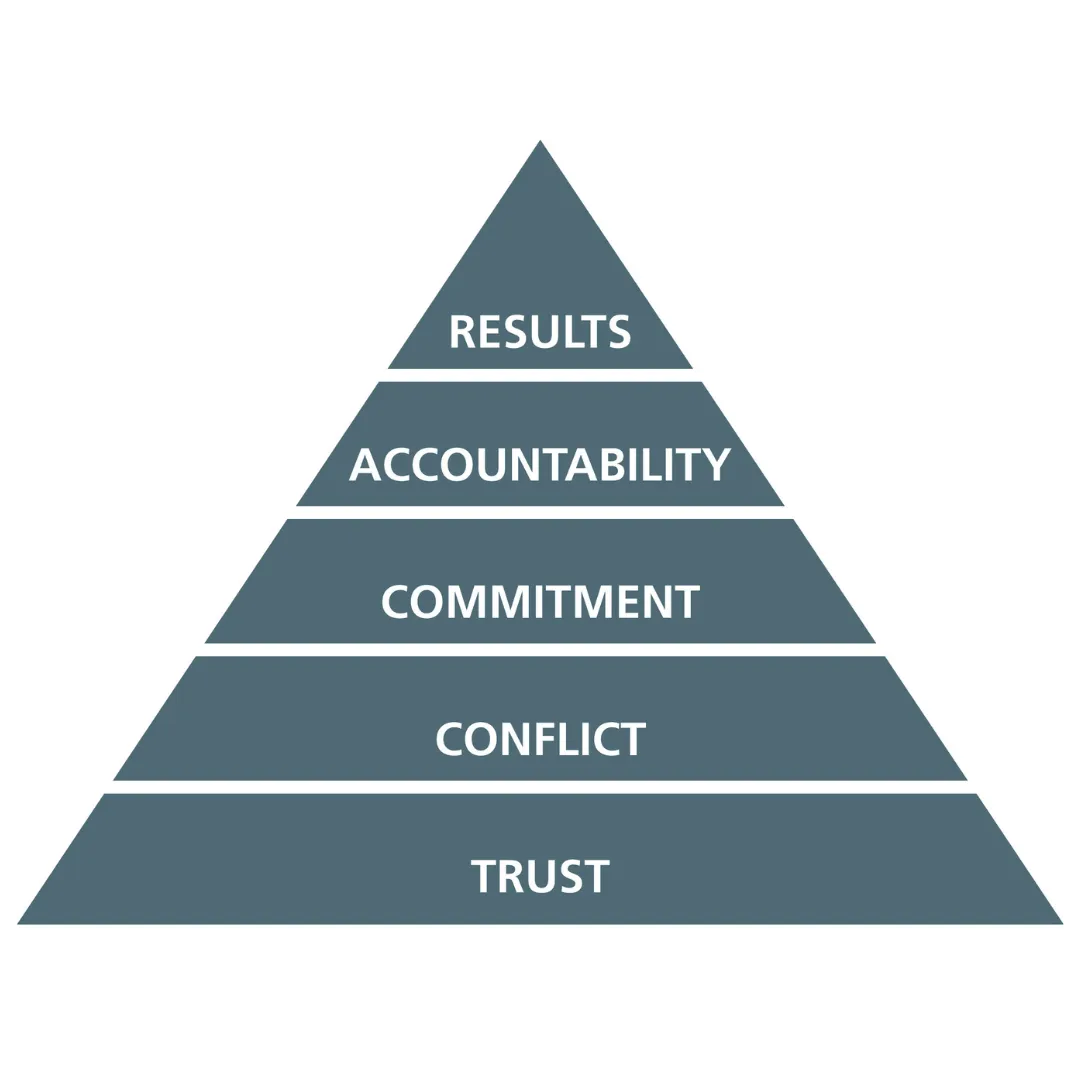
Whether you're working in the office, 100% remotely, or in a hybrid-environment, a collaborative team requires five behaviors: trust, healthy conflict, commitment, peer-to-peer accountability, and a spirit of shared results. You'll get a Teams Toolkit to make this happen.
Session 7:
Managing Change
Discover eight powerful influencing strategies, how to use them and when to apply them. Then, you'll learn an 8-step process for driving sustainable change and creating a spirit of continuous improvement.
Session 8: Graduation
Celebration
We'll celebrate your accomplishments with an all-out graduation celebration. You'll learn the habits of people who get recognized at work. Then, you'll create your long-term success path to create the career and life you desire!
One-on-One
Coaching
We'll reflect on all you've learned and the daily habits you've put in place to be a strong leader. Then, based on your career and personal goals, we'll ensure you have a plan to sustain the changes you've put in place and the tools and frameworks to achieve your goals.
Here are the answers to some questions you might have...
How many leaders can participate at one time?
The diversity of the group is one of the most interesting parts. Leaders get the chance to build relationships with people they don't ordinarily work with. That being said, we want the group to be small enough so that each person gets the individualized attention they deserve. Plus, a small group puts some pressure on each participant to engage fully and be accountable for the transformation they desire. The ideal group size is 8-12 leaders.
Who is the ideal participant for Lead Ignited?
The ideal participant is a high potential mid-level or senior leader who needs to refine their leadership habits or prepare for the next level in their career. New and emerging leaders would likely benefit from our Launch Into Leadership program.

How do I know Lead Ignited will address each leader's issues?
Our goal is to achieve your goals. So, we begin by meeting with the leader and their supervisor to understand their objectives. Then, on the first day, we’ll work with the group to develop an agenda that addresses everyone’s top priorities. We’ll use one-on-one coaching sessions to address your unique needs and to make sure each leader is applying new skills.
How are the classes structured?
Every other week, usually from 8:30 - 10:30 Eastern Time, we hold a virtual session for a total of four months. In advance of each session, leaders complete about 30 minutes of prework. Throughout our time together, they’ll participate in various assessments, case studies, problem solving challenges, creative thinking, book reviews, and a lot of group discussion to share ideas and feedback. Even though they’ll be busy, our approach is very informal and engaging. It’s a great way to help leaders invest in themselves and re-energize for the future!
What is the cost?
At Work Ignited, we recognize that the fee for our services is your investment in anticipation of higher levels of performance and ultimately, greater financial return. So we strive to offer our high quality service at a fair value. The fee for participation is typically $2,000 per leader with a minimum of eight participants.
What if I miss a session?
Most likely, you won't want to. Previous participants have told us that this is the best part of their week. But, we understand that you might have to miss a session, especially if you're on vacation. All sessions are recorded and housed on our private course site. You can watch (or re-watch) them any time.
Do you ever offer this as a public program?
Sometimes we do. If you have just a few leaders who might be interested, let us know. We keep a waiting list and schedule a public program once we have eight participants.
Let us design a program that will ignite your leaders!
The best time to ignite your leadership skills is today.
I know you're leaders are busy and perhaps feeling overwhelmed or worried about taking something like this on. There's no doubt the world is quickly changing - hybrid workforces, artificial intelligence, and today's economy are creating a lot of uncertainty and challenges. I hear you, friend, and I'm here for you.
I truly believe that there's never been a better (or more important) time to double down on building leadership skills. Today's workforce is looking for a sense of purpose, social connections, and to feel valued for the difference they make. That takes a new set of skills that leaders might not have needed in the past. Not only will Lead Ignited give leaders those skills, it will give them the discipline to put them in place as small, daily habits. So, they are easy!
I don't want you to look back in 6 or even 12 months with those same problems sitting on your desk, wondering what could have been if you only took action.
I want your leaders to feel proud of what they accomplish and confident in what thet can achieve. Plus, I want them to have a whole bunch of new friends that share their passion for leadership and will cheer them on!
Let's chat to get Lead Ignited scheduled for your organization.
Amy

Let's do this!
Click the images below to achieve your goals.

Assessment
Solutions
Explore our assessments for candidate screening, development, team building, succession planning, and more.

Fabulous
Together
Give the women in your organization the coaching, confidence, and connections they need to have successful careers and a fabulous lives.

e-Learning
Made Easy
Create an amazing learning experience
whether your team is
at the office, at home, or on the go.

Lead
Ignited
Be the best leader you can be
with this award-winning
learning opportunity.

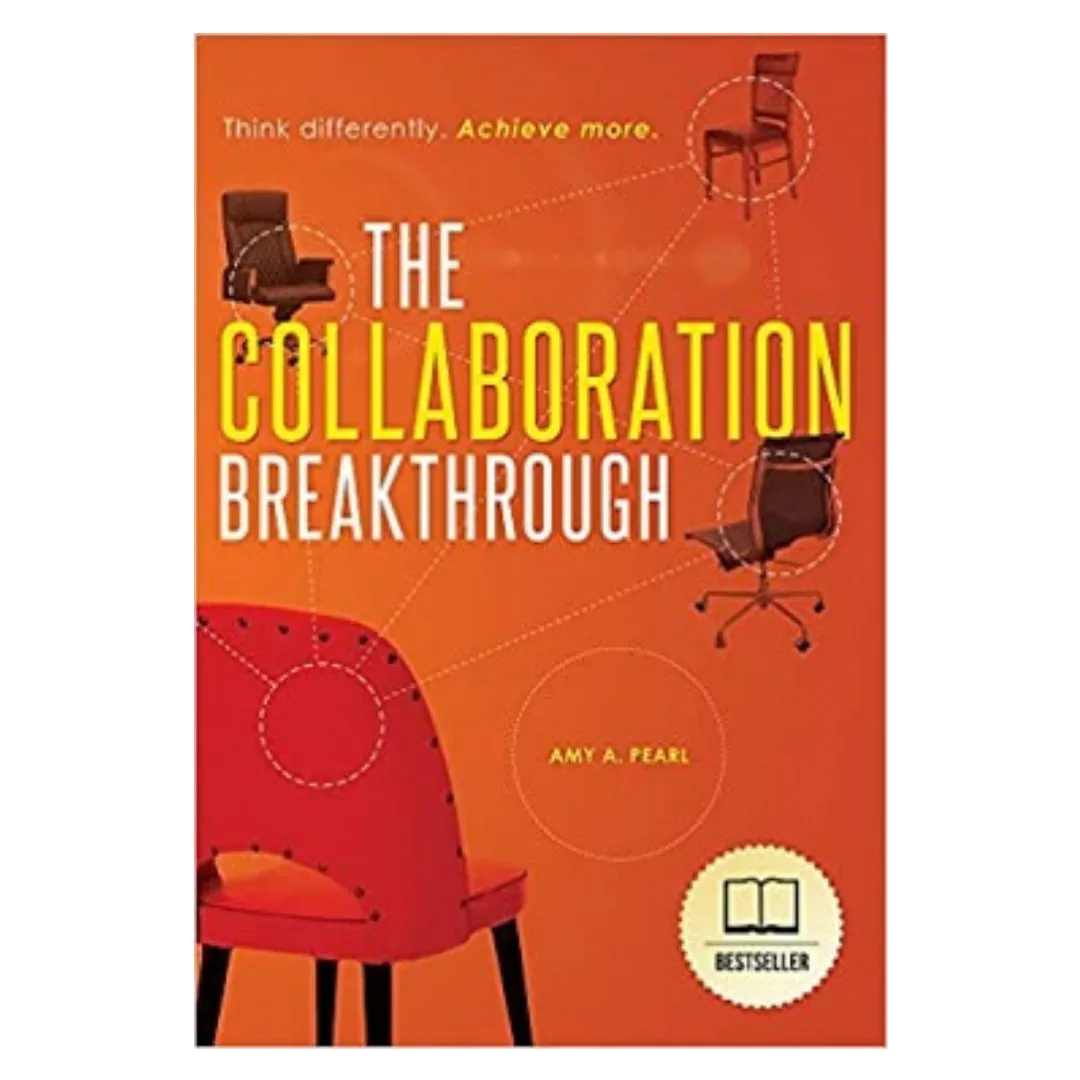
Collaboration
Breakthrough
Create a workplace you love with our best-selling book, employee survey, and interactive team experience.

Coaching
Conversations
Replace your archaic review process
with an online system to
guide GREAT conversations.
Download the Best Interview Questions
for Virtual Job Candidates
Check out our recent news and blog.

What is a Job Profile?
Quick Answer:
A Performance Model is a data-informed snapshot of the ideal profile for a job or the characteristics that have historically predicted success in a specific role. It’s built from solid market research, an evaluation of your own top performers, and a little bit of pixie dust. And despite how it sounds, it is not a machine for manufacturing identical employees. It’s a tool for spotting the handful of tendencies that actually matter for a role, while leaving plenty of room for real diversity everywhere else.
A Real Life Example
I recently worked on a project to create competencies for technicians at a global manufacturing organization, and it turned into one of the clearest real-world examples of why this is important.
We used the PXT Select assessment as a framework for understanding what makes techs tick. We chose this tool for two reasons:
It covers a lot of ground in that it measures thinking skills, behavioral traits, and motivational interests.
It is simple and cost-effective to scale as a candidate screening assessment.
We assessed about 30 high performing technicians at varying levels. Interestingly, Behavioral Traits across the group varied quite a bit. Some technicians were steady and methodical, others had more urgency and flexibility, some were reserved while others were outgoing, and plenty of each type were doing well. But their Thinking Skills told an entirely different story. We found that technicians who advanced into higher-level roles with bigger, more complex problems to solve had stronger Thinking Skills.
I want to be careful here, because this is exactly the kind of finding that’s easy to misuse. It didn’t mean those technicians with lower Thinking Skills were bad employees or without value. Remember, we assessed high performers, many who had been strong contributors for years. What it did tell us was that specific roles with specific levels of complexity, had a real cognitive threshold, and that’s important information to have before making a hiring or promotion decision, not after and end up with someone struggling and everyone else being frustrated.
What struck their team most was how much clarity this gave them going forward. Before we had the data, promotion decisions were made on tenure and general reputation, “she’s been here five years and everyone likes her,” which is a lovely sentiment but a terrible predictor of whether someone can handle a role with significantly more complexity. Once we understood the actual pattern, promotion conversations got both kinder and more honest. Kinder, because no one was set up for failure. More honest, because they could have a real conversation about what a person needed to develop, or whether a different path within the organization might genuinely suit them better.
How a Performance Model Actually Gets Built
There are three ways to build one, and you can use them alone or in combination.
Researched Performance Models are the fastest starting point. We maintain a growing library based on data from thousands of top and bottom performers across different positions, and the U.S. Department of Labor’s O*Net database of job requirements. Each model comes with a description you can compare against your actual job description before choosing it. For a common role, like a customer service representative or a sales manager, this alone often gets you 80% of the way there without any additional legwork.
Competency Discovery Workshops and Job Analysis Surveys let you tailor a Library model to your organization’s specific version of a role. Pulling managers and individuals who perform the work together to brainstorm the required skills and behaviors is an excellent way to get subjective input while building alignment around success drivers. When you don't have time for group input, a 10-minute Job Analysis Survey lets you get input from a variety of people fast.
Concurrent Studies use your own people. You have your current top performers in a role take the assessment, and the system builds a model directly from their results. This method takes a littl emore upfront effort, but it’s also the most powerful, because it’s built entirely from your actual environment, your actual culture, and your actual definition of success, not a generic industry average.
A Word About Choosing High Performers...
Choosing existing employees to serve as "models" can be the trickiest part. High performers should be chosen with 2 things in mind:
Use measurable success factors - choose employees with the highest productivity, greatest efficiency, strongest problem solvers, most autonomous workers, roles models of organizational values.
Consider the future strategy - what changes are happening in your organization and who possesses the skills and behaviors to thrive in that future state? High performers from the past might not have what it takes to thrive in the future.
Most organizations get the most value from combining multiple methods, using a Library model as a starting point and refining it with real data from their own team and input from real people who do the work.
How do you use a performance model or job profile in the hiring process?
Once a Performance Model exists for a role, every candidates' assessment results get compared against it. At a glance, you can see how closely the candidate fits the model and then, dive in to understand why.
It's important to know that only a unicorn will achieve 100% match. Chasing perfect matches will cost you good people who would likely thrive in the role. What you'll tend to find is that certain traits are very important for a specific role, as in the case above where Thinking Skills proved to be more important than many of the Behavioral Traits. There will also likely be a few characteristics that fully align with your organizational culture and values. Those are truly the important factors to consider.
A good assessment tool will explore the gaps more fully and provide recommended behavioral interview questions designed to understand how the candidate compensates for the gap and even questions to validate where they completely match the desired profile.
In essence, using a performance model or job profile helps to get everyone in your organization aligned around what's important for success. It provides helpful prompts for asking better interview and reference check questions. And, it provides data-informed input to fuel hiring and promotional decisions.
Quick Answers to What People Actually Ask Me
Does a Performance Model mean I’m trying to hire the same person over and over? No, and this is the single biggest misconception about them. We're not creating clones and frankly, a team full of identical thinkers is a liability, not an asset. Every team I’ve ever seen thrive had people who approached problems differently, pushed back differently, and brought different energy into a room. What a Performance Model does is something much narrower and more useful. It tells you which specific tendencies tend to show up in the people who succeed in a given role, so you can weigh those specifically, instead of vaguely hoping a candidate “seems like a good fit,” which is really just a nicer way of saying “seems like me” or “seems like the last person who had this job.”
What if my top performers don’t have much in common? That’s useful information too. It usually means the role is genuinely flexible to different working styles, and your Performance Model should reflect a wider acceptable range rather than a narrow one. Sometimes, it's only a few characteristics that truly correlate with high performance.
Can I build a Performance Model for a brand-new role that doesn’t exist anywhere else in my company? Absolutely. We have hundreds of researched performance models in our library. Then, we can chat about how it should be customized based on your unique needs.
How many people do I need for a reliable Concurrent Study? A data scientist would likely recommend a few dozen top performers for a statistically reliable model, but I recognize that particularly in smaller companies, that might be impossible. Don't let that stop you. Getting data from your high performers is fascinating, even if it's just from a few people. You might also like certain traits of one employee and other traits from another. Even data from one or two people will provide a consistent format that you can compare and contrast with the Library Model.
Should I rebuild a Performance Model once I have it, or is it set in stone? I recommend revisiting your performance models periodically for a few reasons:
When creating Performance Models, I always ask about your organization's future business strategy and how this role will contribute to its success. As your strategy evolves, so should the performance models behind it.
Even when using assessments, you will still have some folks that don't succeed on the job. Over time, this is also important data to feed into your Performance Model so you don't make the same hiring mistakes down the road.
Expectations change with new management. As new hiring managers enter the picture, review the Performance Model with them. It helps them to understand the types of individuals who have thrived in the past and it provides an objective way for them to articulate their own preferences.
Can two very different roles share the same Performance Model? Occasionally, if the underlying demands genuinely overlap, but I’d treat that as the exception rather than the default. Even similar-sounding titles often carry meaningfully different complexity, pace, or people-management demands once you look closely. People are motivated by different things. Some are motivated by working with others, others by more analytical work, while others like working with their hands. Sometimes, the most significant differentiators aren't brainpower or personality, but rather true motivational interests.
Need More Information?
If you haven’t yet read "What Does a Pre-Employment Assessment Actually Measure?," that’s the foundational piece this one builds on, since you need to understand Thinking Style, Behavioral Traits, and Interests before a Performance Model means much of anything. And if you’re still building internal buy-in for why any of this is worth doing, "8 Benefits of Using Pre-Employment Testing" will give you some fuel.
Don’t wait for the “perfect” model before you start using one. An imperfect Performance Model built today beats another year of hiring on gut instinct while you wait for certainty that never fully arrives.
Curious how this looks for a specific role at your organization? Let's build a Performance Model for a position you're trying to fill. Then, try the assessment with your top candidate for free to validate your thinking, while getting recommended questions for reference checks and final interviews. Just schedule a call with me or email me at [email protected] to get started.
Stay Ignited!