








Lead Ignited
Ignite your passion.
Ignite your team.
Ignite your workplace.

Are you looking for a deep-dive leadership program that helps high potential mid-level and senior leaders:
Get others excited about their vision and goals
Build a collaborative team
Communicate effectively at every level of your organization
Become stronger critical and strategic thinkers
Build influence, even where they don't have direct authority
Get problem solving techniques to drive decision-making and accountability
Establish executive presence
Spend their time in a way that capitalizes on their strengths and ignites their days!
Your leaders will ignite their passion to get results. They'll also benefit from the self-awareness gained through assessments and 360 degree feedback, stronger relationships with their classmates, and and learning that lasts.

Inventory Your Talents
We use a variety of self-assessments and 360 degree feedback to help leaders identify their strengths, as well as what they can do better, differently or more often. Leaders develop a clear picture of their talents and create a plan to achieve their professional and personal goals.

Achieve Your Goals
During eight, two-hour virtual workshops and two one-on-one coaching sessions, leaders get tools, tips, and techniques to capitalize on their strengths. We'll discuss ways to overcome the challenges faced at work and develop ideas for accomplishing their individual goals.

Get Ignited
Leaders learn with their peers to break down silos and succeed together. We'll make sure leaders stay focused to achieve their goals and that their new skills and behaviors are sustainable. Most importantly, ignited leaders gain the confidence and energy to be the best leaders they can be.
Over 75% of our graduates have gone on to higher levels of leadership.
We are proud to have graduates from
dozens of amazing organizations including:

Hi. I'm Amy Pearl.
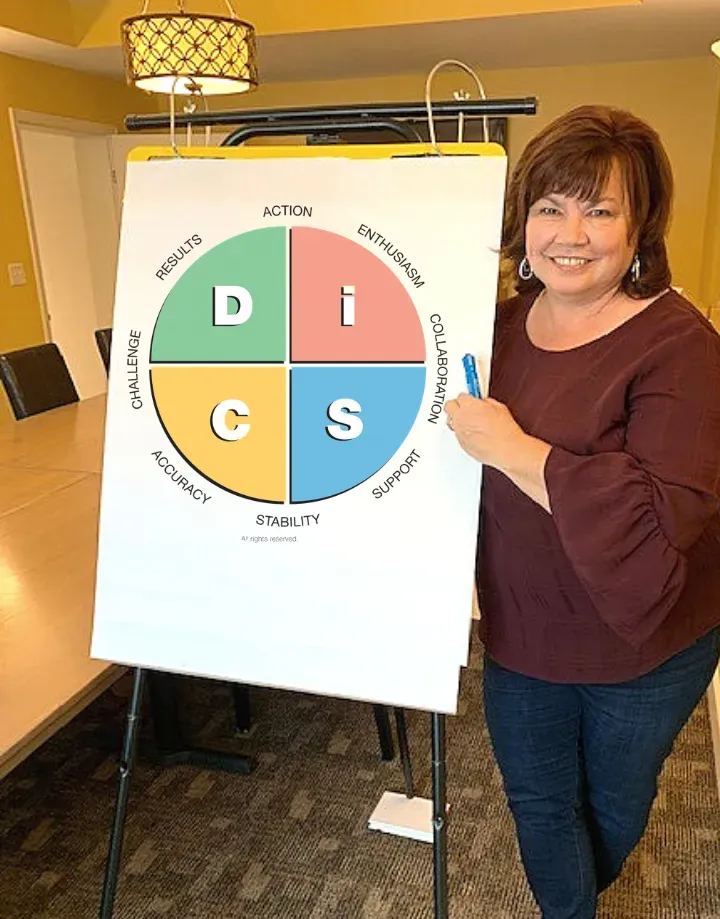
Hi. I'm Amy Pearl and I've dedicated my life to helping leaders like you overcome tough challenges at work, ignite their passion and achieve their goals. I'd love to help you, too!
I created everything in Lead Ignited over 3 decades, first, as a corporate gal working for a big bank and then, by coaching hundreds of professionals, from CEO's of multi-billion dollar companies to high potentials just starting out. I've gained a reputation as a no-nonsense yet fun-loving coach who asks thought-provoking questions and delivers actionable ideas.
I invite you to join Lead Ignited. Every tip you'll learn has been tested by my clients. So, I know they'll work for you, too!
Here are All the Details
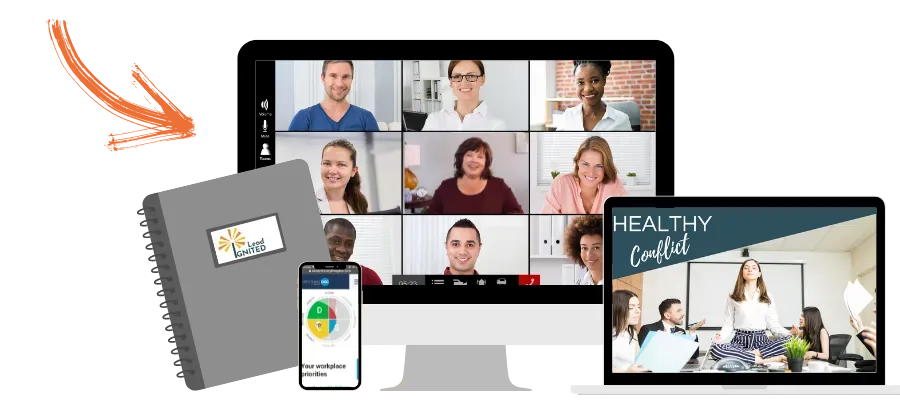
Through Lead Ignited, leaders meet for two hours, virtually, every two-weeks to focus on today's most important leadership topics. Prior to each session, they'll spend about 30 minutes preparing for the session using our online learning platform and a downloadable Power Pages workbook. After each live session, they'll have an implementation week to try new things
and to get some quick wins.
Kickoff
Meeting
We'll begin by meeting with you and your supervisor. We'll discuss the program details and establish your objectives. This way, we can customize the program to achieve your goals.
Session 1:
Getting Started
Manage your priorities, not your time. We'll help you discover how to create a Collaborative Workplace and refine your priorities to focus on the workplace you desire for your team and yourself.
Session 2:
Your Mindset Matters
Ignited leadership takes the right thinking. We'll use the Agile EQ Profile to explore your natural mindsets and build your stretch mindsets so you can feel confident and prepared heading into any situation.
Session 3: Listening &
Communication
Ignited leaders are intentional when communicating with others. You'll use Everything DiSC and our Ignited Listening Profile to get personalized tips to communicate with your direct reports, peers, boss, and other colleagues to bolster your credibility, build relationships, and manage tense situations.
One-on-One Coaching
360 Degree Feedback
Inventory your strengths and identify improvement opportunities to be the best you can be. You'll get anonymous feedback from your direct reports, peers, supervisor, and others in an objective way. Then, we'll review your results in a one-on-one meeting to develop personalized strategies for your success.
Session 4: Your
Strategic Playbook
Become crystal clear about your strategy for your department and your work. You'll write Your Playbook based on research and input from others. Then, you'll create a system of accountability for yourself and your team to maximize your contribution and stay focused on the big picture.
Session 5:
Managing Performance
Create a culture of accountability and opportunity for your teams with the tools and techniques to set expectations, celebrate successes, and help team members who fall off track. Then, take the next step to coach your teams to find their own success through delegation and development.
Session 6:
Managing Teams
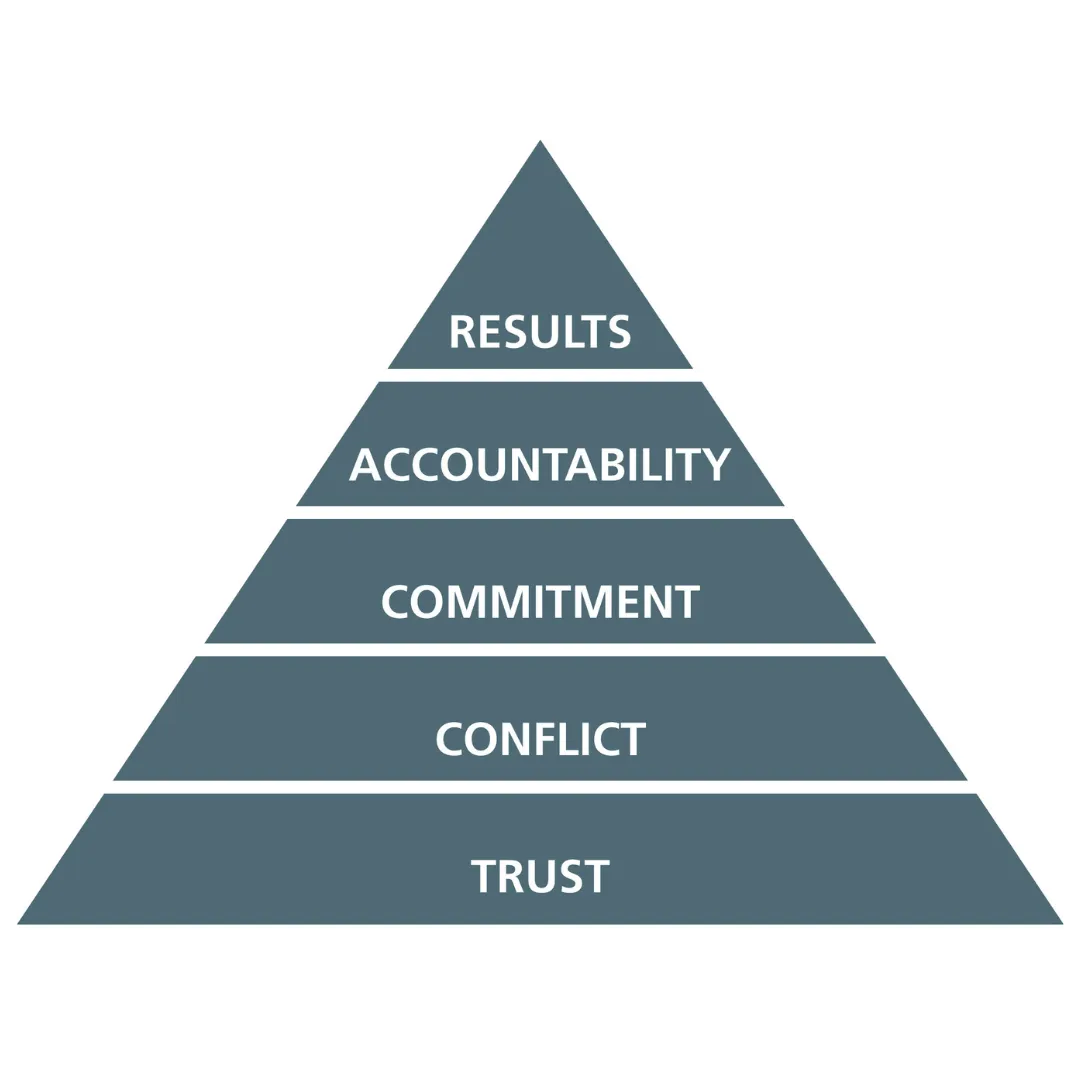
Whether you're working in the office, 100% remotely, or in a hybrid-environment, a collaborative team requires five behaviors: trust, healthy conflict, commitment, peer-to-peer accountability, and a spirit of shared results. You'll get a Teams Toolkit to make this happen.
Session 7:
Managing Change
Discover eight powerful influencing strategies, how to use them and when to apply them. Then, you'll learn an 8-step process for driving sustainable change and creating a spirit of continuous improvement.
Session 8: Graduation
Celebration
We'll celebrate your accomplishments with an all-out graduation celebration. You'll learn the habits of people who get recognized at work. Then, you'll create your long-term success path to create the career and life you desire!
One-on-One
Coaching
We'll reflect on all you've learned and the daily habits you've put in place to be a strong leader. Then, based on your career and personal goals, we'll ensure you have a plan to sustain the changes you've put in place and the tools and frameworks to achieve your goals.
Here are the answers to some questions you might have...
How many leaders can participate at one time?
The diversity of the group is one of the most interesting parts. Leaders get the chance to build relationships with people they don't ordinarily work with. That being said, we want the group to be small enough so that each person gets the individualized attention they deserve. Plus, a small group puts some pressure on each participant to engage fully and be accountable for the transformation they desire. The ideal group size is 8-12 leaders.
Who is the ideal participant for Lead Ignited?
The ideal participant is a high potential mid-level or senior leader who needs to refine their leadership habits or prepare for the next level in their career. New and emerging leaders would likely benefit from our Launch Into Leadership program.

How do I know Lead Ignited will address each leader's issues?
Our goal is to achieve your goals. So, we begin by meeting with the leader and their supervisor to understand their objectives. Then, on the first day, we’ll work with the group to develop an agenda that addresses everyone’s top priorities. We’ll use one-on-one coaching sessions to address your unique needs and to make sure each leader is applying new skills.
How are the classes structured?
Every other week, usually from 8:30 - 10:30 Eastern Time, we hold a virtual session for a total of four months. In advance of each session, leaders complete about 30 minutes of prework. Throughout our time together, they’ll participate in various assessments, case studies, problem solving challenges, creative thinking, book reviews, and a lot of group discussion to share ideas and feedback. Even though they’ll be busy, our approach is very informal and engaging. It’s a great way to help leaders invest in themselves and re-energize for the future!
What is the cost?
At Work Ignited, we recognize that the fee for our services is your investment in anticipation of higher levels of performance and ultimately, greater financial return. So we strive to offer our high quality service at a fair value. The fee for participation is typically $2,000 per leader with a minimum of eight participants.
What if I miss a session?
Most likely, you won't want to. Previous participants have told us that this is the best part of their week. But, we understand that you might have to miss a session, especially if you're on vacation. All sessions are recorded and housed on our private course site. You can watch (or re-watch) them any time.
Do you ever offer this as a public program?
Sometimes we do. If you have just a few leaders who might be interested, let us know. We keep a waiting list and schedule a public program once we have eight participants.
Let us design a program that will ignite your leaders!
The best time to ignite your leadership skills is today.
I know you're leaders are busy and perhaps feeling overwhelmed or worried about taking something like this on. There's no doubt the world is quickly changing - hybrid workforces, artificial intelligence, and today's economy are creating a lot of uncertainty and challenges. I hear you, friend, and I'm here for you.
I truly believe that there's never been a better (or more important) time to double down on building leadership skills. Today's workforce is looking for a sense of purpose, social connections, and to feel valued for the difference they make. That takes a new set of skills that leaders might not have needed in the past. Not only will Lead Ignited give leaders those skills, it will give them the discipline to put them in place as small, daily habits. So, they are easy!
I don't want you to look back in 6 or even 12 months with those same problems sitting on your desk, wondering what could have been if you only took action.
I want your leaders to feel proud of what they accomplish and confident in what thet can achieve. Plus, I want them to have a whole bunch of new friends that share their passion for leadership and will cheer them on!
Let's chat to get Lead Ignited scheduled for your organization.
Amy

Let's do this!
Click the images below to achieve your goals.

Assessment
Solutions
Explore our assessments for candidate screening, development, team building, succession planning, and more.

Fabulous
Together
Give the women in your organization the coaching, confidence, and connections they need to have successful careers and a fabulous lives.

e-Learning
Made Easy
Create an amazing learning experience
whether your team is
at the office, at home, or on the go.

Lead
Ignited
Be the best leader you can be
with this award-winning
learning opportunity.

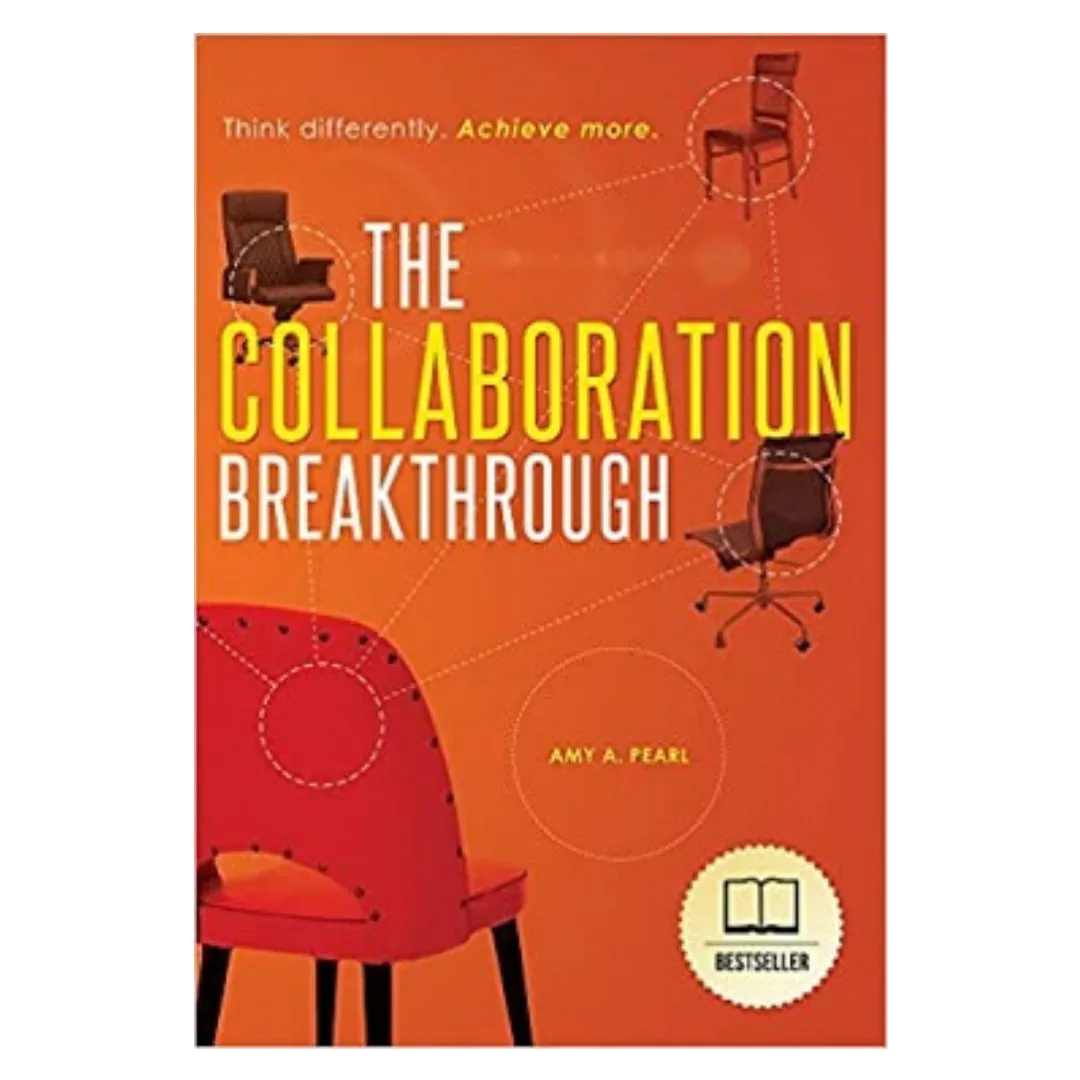
Collaboration
Breakthrough
Create a workplace you love with our best-selling book, employee survey, and interactive team experience.

Coaching
Conversations
Replace your archaic review process
with an online system to
guide GREAT conversations.
Download the Best Interview Questions
for Virtual Job Candidates
Check out our recent news and blog.

Human Skills Are Still the Biggest Differentiators
Human Skills Are Still the Biggest Differentiators
Last month, I shared 10 Challenges Facing Today's Learning Professionals. Throughout 2026, I'll dive into each challenge and provide practical solutions like those below.
Open Communication, Emotional Intelligence, and Leadership Drive High Performance Even Among Remote Teams
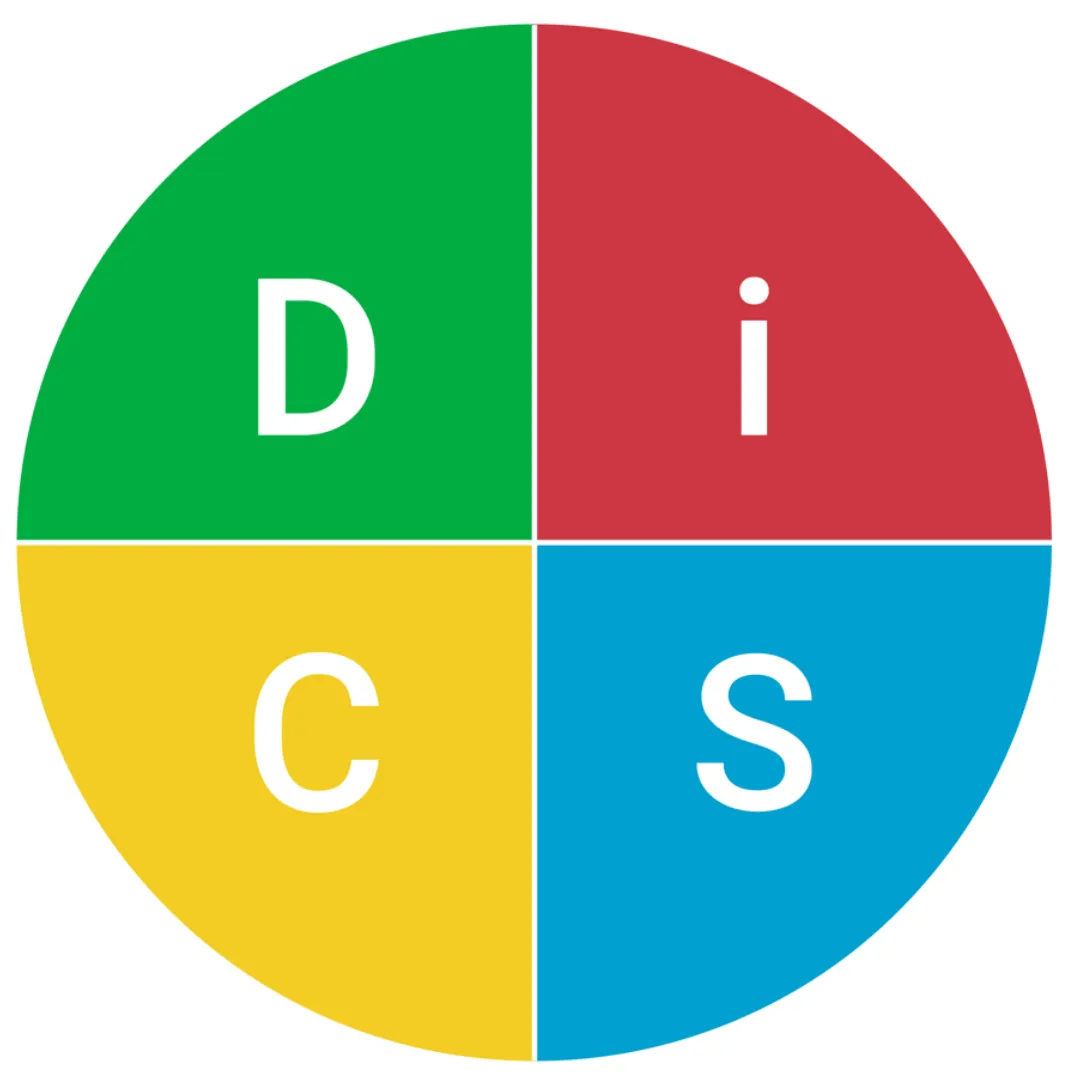
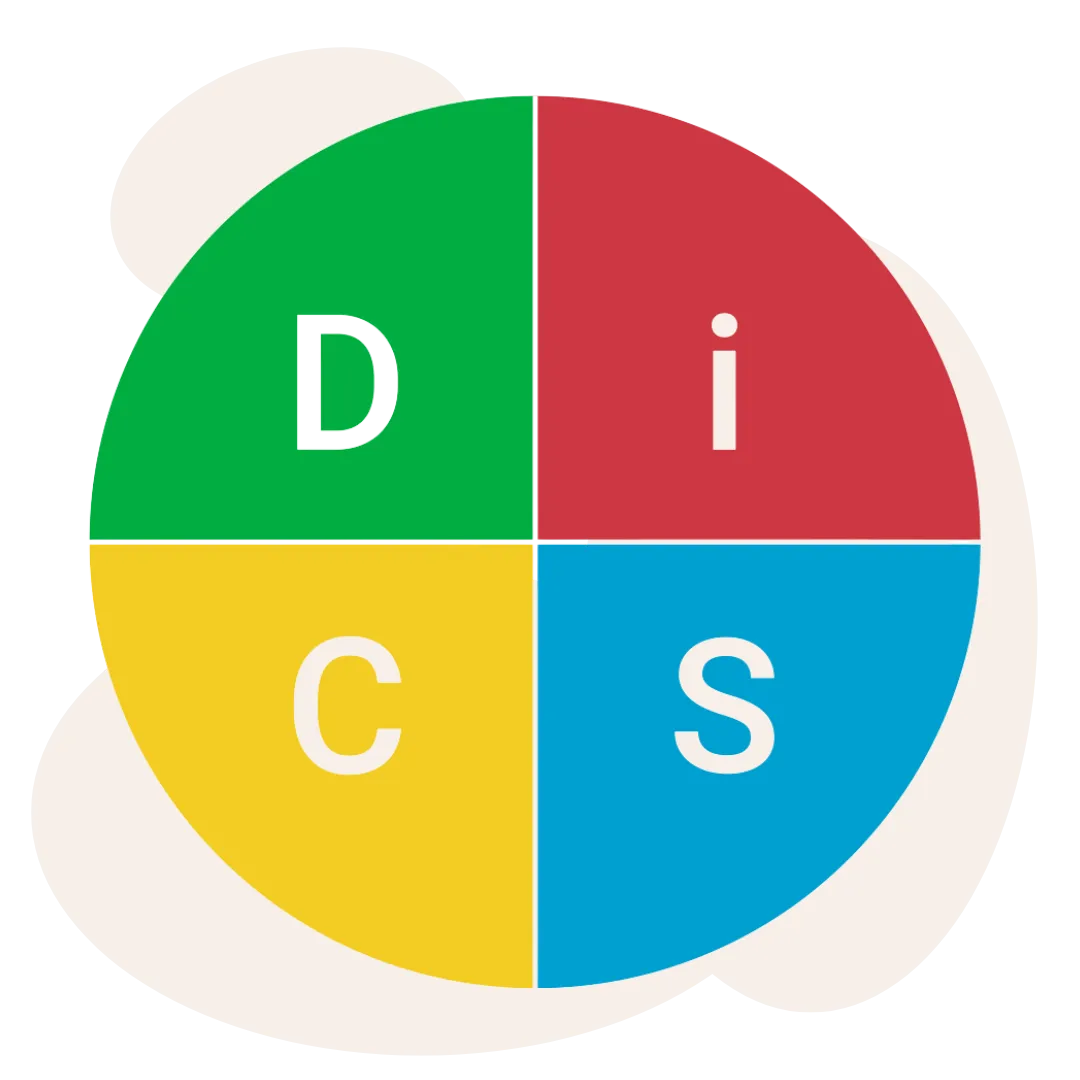
As AI accelerates, work structures shift, and roles continue to blur, many organizations assume performance depends on better tools, smarter systems, or tighter processes. Those are all certainly important (especially to someone like me with a Conscientious/Dominance DiSC style), yet I am constantly reminded of the importance of the more relationship-oriented, Influence/Steadiness side of the DiSC circle.
I've been working with an executive team that dropped the ball on role clarity and expectation setting. That led to misunderstandings and the misperception that expectations were not being met. Couple that with passionate team members and the end result was catastrophic. In some situations, team members stopped communicating. In other situations, emotions flared and communication became disrespectful and unprofessional. Eventually, the lines between accountability and hostility became blurred and formal complaints were lodged - a mess that could have been avoided with more intentional communication and higher levels of emotional intelligence.
Research explains that. Recent Wiley Workplace Intelligence research reinforces what Learning & Development professionals already know from experience: teams perform best when people feel safe, understood, and clear, regardless of whether they work in an office, remotely, or somewhere in between.
Across industries, emotional intelligence, communication, and leadership remain the strongest predictors of high performance, not just engagement or culture, but real business outcomes. Despite how dramatically work has changed, the human side of work still matters most.
Psychological Safety Is a Performance Multiplier
Psychological safety continues to stand out as one of the most powerful drivers of team effectiveness. Wiley's research shows that employees who feel safe speaking up, asking questions, and challenging ideas are 31% more likely to be part of high-performing teams.
This isn’t about comfort or consensus. It’s about creating conditions where people:
Share ideas earlier
Surface risks before they escalate
Engage in productive disagreement
Take ownership instead of withdrawing
When psychological safety is missing, performance suffers quietly. People comply instead of contribute. Talent stays, but energy leaves.
Performance problems are often relational problems in disguise.
Emotional Intelligence and Leadership Still Drive Results
The research is consistent: effective leadership is a top predictor of high team performance with 90% of survey respondents citing this as key. Not far behind, is emotional intelligence with 83% citing this as important.
Leadership and emotional intelligence are deeply connected. Emotional intelligence enables leaders to:
Understand their impact
Regulate reactions under pressure
Listen without defensiveness
Navigate conflict without eroding trust
When leaders lack these skills, communication breaks down quickly, even with the best intentions. Feedback gets avoided. Meetings feel tense or unproductive. Decisions stall. Over time, trust erodes.
The good news? These are not fixed traits. They are learnable, coachable, measurable skills.
The Remote Work Insight Leaders Often Miss
I'm seeing more and more organizations demanding 3, 4, and 5 days of in-office work. I get it - I grew up in the 100% in office days when a jeans day was the only way to let loose. I appreciate the natural camaraderie that builds, the informal learning that takes place, and the visibility for those looking to be promoted that happens when everyone is sitting near each other. But, it's a new day.
One of the findings from the research challenges a long-held belief: while 26% of survey respondents feel remote work hurts performance, 85% of remote workers report being part of high-performing teams.
This doesn’t mean remote work is inherently superior. It means performance depends more on how people communicate and collaborate regardless of where they sit.
Remote teams often succeed because they are forced to:
Be clear, focused, and structured in communication
Document decisions
Focus on outcomes rather than visibility
Build trust more intentionally
In other words, remote work exposes weak human skills and rewards strong ones.
What Happens When Emotional Intelligence and Communication Are Weak
When organizations underinvest in human skills, familiar issues appear:
Meetings drain energy instead of creating alignment
Misunderstandings turn into conflict
Feedback feels risky or personal
Decisions are challenged or revisited repeatedly
High performers disengage quietly
L&D is often asked to solve these problems with more team building, but the real need is psychological safety, clear ground rules, shared expectations, disciplined practice, and ongoing reinforcement.
6 Practical Ways to Strengthen Psychological Safety, Emotional Intelligence, and Communication
The goal isn’t to add more programs. It’s to embed human skills into everyday work so they become habits, not events.
1. Anchor Human Skills to Existing Rhythms
Instead of standalone workshops, integrate communication and emotional intelligence discussions into:
Team meetings
One-on-ones coaching conversations
Project kickoffs and debriefs
Simple, repeatable questions can change behavior over time:
What helped us work well together this week? What got in the way?
Get my Team Retrospectives Grab-n-Go Learning Kit with 16 posters for evaluating teamwork, problem solving, and initiative planning.
Consistency matters more than complexity.
2. Build a Shared Language for Behavior
Assessments like Everything DiSC Workplace give teams a neutral, practical language to discuss communication styles, stress responses, and adaptability.
Use it to build shared language that reduces defensiveness and helps teams talk about behavior without making it personal. If you're a Catalyst user, check out Your Groups -> Conversation Starters for free 15-minute teambuilding activities you can integrate into your next team meeting.
3. Normalize Short, Frequent Feedback
Psychological safety grows through regular, low-stakes conversations, not annual reviews.
Encourage managers to use brief check-ins focused on:
What’s working
What’s unclear
What support is needed
Frequent clarity touchpoints prevent unnecessary stress and misalignment.
4. Teach Leaders to Adapt, Not Default
Emotionally intelligent leaders don’t rely on one approach. They adapt based on context, people, and pressure.
Agile EQ™ helps leaders explore eight mindsets they need for success and teaches them to expand their range so they can respond intentionally rather than reactively, especially during change, conflict, and stressful situations. In fact, you can check out my blog post: How to Coach Leaders to Adapt in Stressful Situations to get the full scoop.
5. Establish Ground Rules
We set goals for the work that needs to be done. That's how we get results in the short-term. But, what about the long-term? For that, we need ground rules for how the team works together regardless of the task at hand.
Use current projects, decisions, or tensions as learning moments rather than hypothetical examples to create behavioral expectations: What went well that we need to repeat? What went poorly that we need to fix? In the future, how will we communicate, solve problems, and make decisions as a team?
Relevance and action planning drives the right behaviors.
6. Run an “Assumptions vs. Reality” Reset (Remote-Friendly)
Remote and hybrid teams are especially vulnerable to miscommunication because context is limited and assumptions fill the gaps.
This simple activity helps teams surface hidden assumptions and strengthen clarity.
How it works:
Step 1: Individual Reflection (5 minutes)
Ask each team member to privately answer these prompts about a current project or recurring workflow:
One assumption I think others are making about my role or availability is…
One assumption I’ve made about someone else’s role, priorities, or constraints is…
One thing I wish others understood about how I do my work is…
Step 2: Small Group Sharing (10–15 minutes)
In breakout rooms of 3–4, participants share:
One assumption they had that turned out to be wrong
One clarification that would make collaboration easier
Step 3: Team Debrief (10 minutes)
Bring the full group back and ask:
What assumptions showed up most often?
Where are we relying on “mind-reading” instead of clarity?
What’s one communication norm we should adopt to reduce assumptions going forward?(Individuals reflect on assumptions they’ve made or believe others are making)
Small groups share one assumption and one needed clarification
The team agrees on one communication norm to reduce assumptions going forward
Common outcomes include norms like:
“If it’s urgent, we say so explicitly.”
“Decisions live in writing, not just meetings.”
“We ask before we assume.”
This builds psychological safety, emotional intelligence, and communication by encouraging brief perspective-sharing without judgment. It builds awareness of impact, not intent. It reinforces psychological safety by normalizing clarification. And, it strengths trust without forcing vulnerability.
You can even keep it simple by running a 10-minute version each month by using just one question: What's one assumption we should clear up before it becomes a problem?
That's where the real power is...small, consistent resets.
Why This Matters for Learning & Development
Human skills are not a “nice to have.” They are the infrastructure of performance.
As work continues to evolve, L&D professionals are uniquely positioned to influence how leaders lead, how teams communicate, and how safe people feel contributing their best thinking.
This isn’t about doing more. It’s about focusing on what actually moves the needle.
Human skills are timeless and right now, they are more critical than ever.
The tools will change.
The technology will evolve.
Human skills will continue to separate good teams from great ones.