













Employee Appreciation Gifts by DiSC Style

Employee Appreciation Week
is March 2 - 6!
One-size-fits-all recognition is easy, but it rarely hits the mark. Your employees bring different personalities, needs, and preferences to work every day, and their DiSC styles highlight what makes each of them feel genuinely appreciated.
This gift guide turns Everything DiSC insights into practical gift ideas for every style, helping you celebrate Employee Appreciation Week in a way that feels thoughtful, tailored, and motivating for every member of your team.

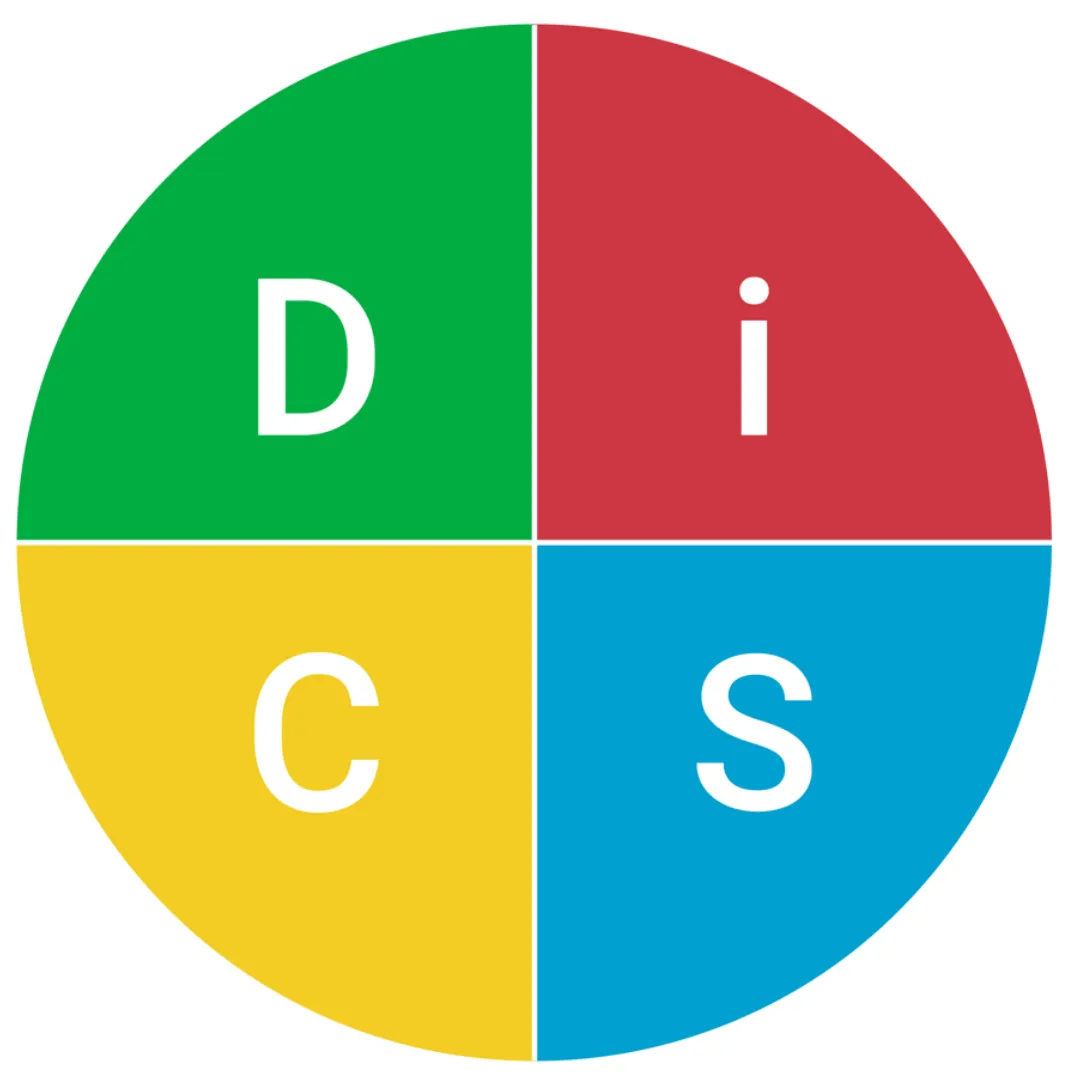
Dominant Style: Direct and Results-Focused
People with a D-style value productivity, autonomy, and visible impact.
Include a brief note that says:
"Thanks for driving results on our toughest projects. Your decisiveness and willingness to take change make a real difference for our organization."
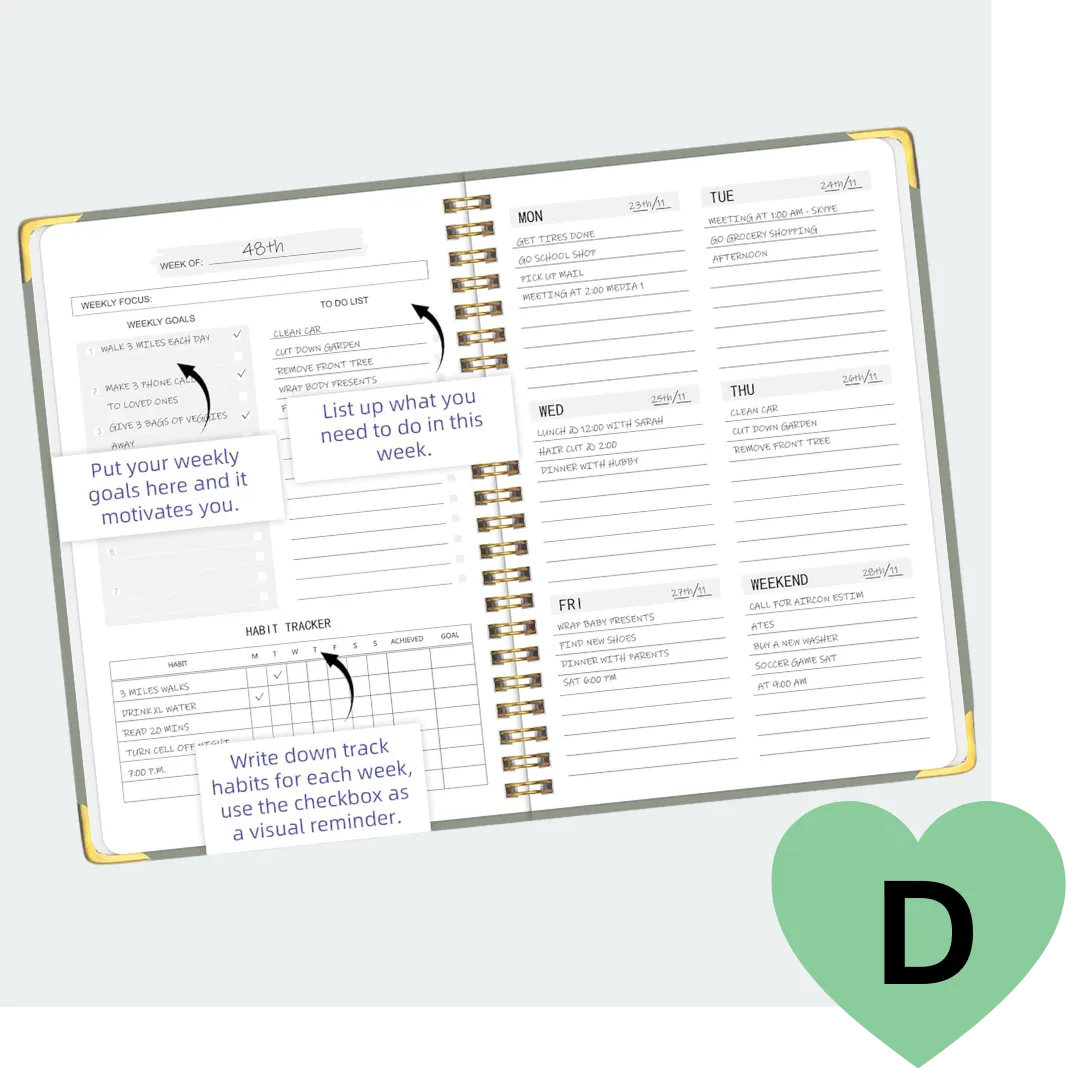
Goal & Habit
Tracker
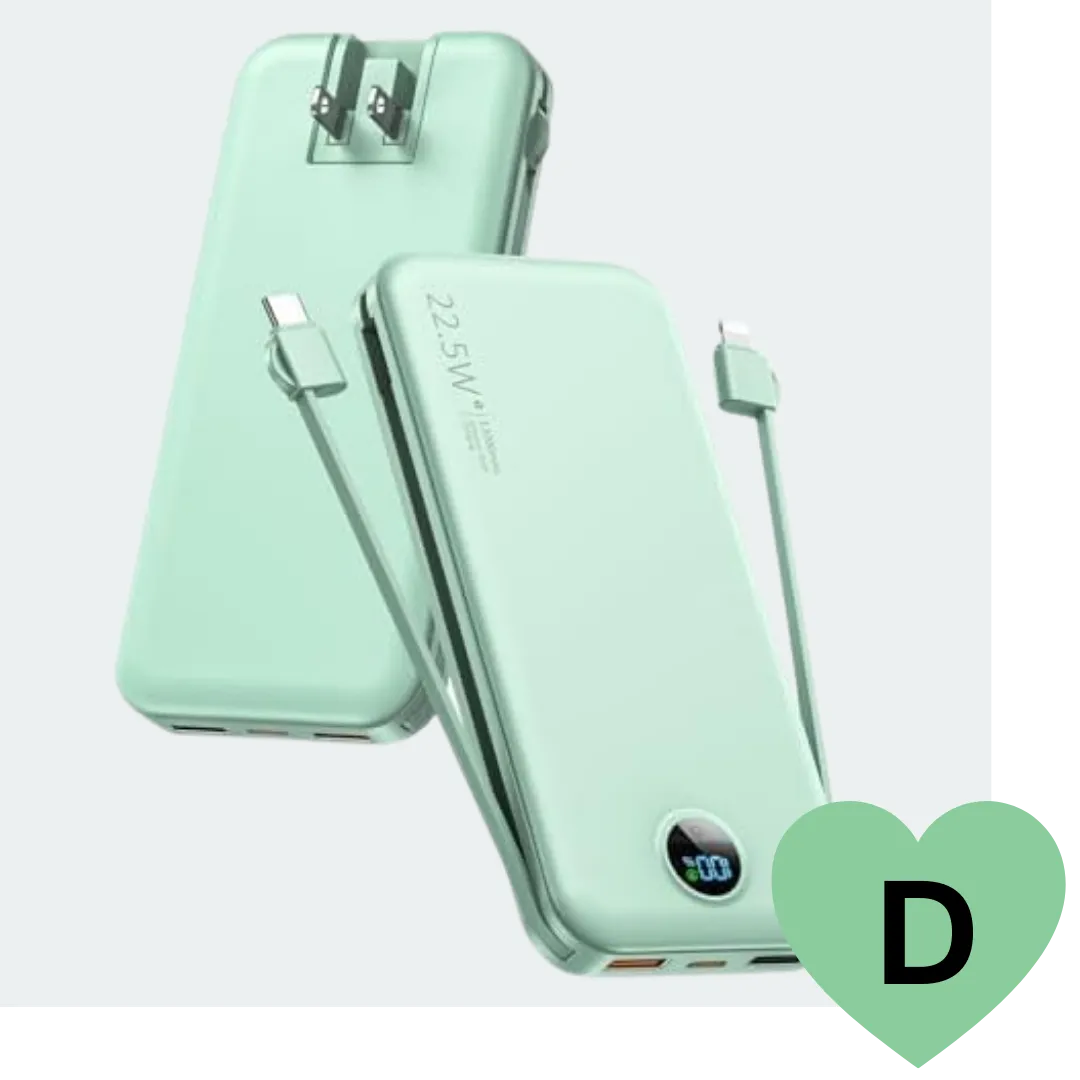
Portable Fast
Charger
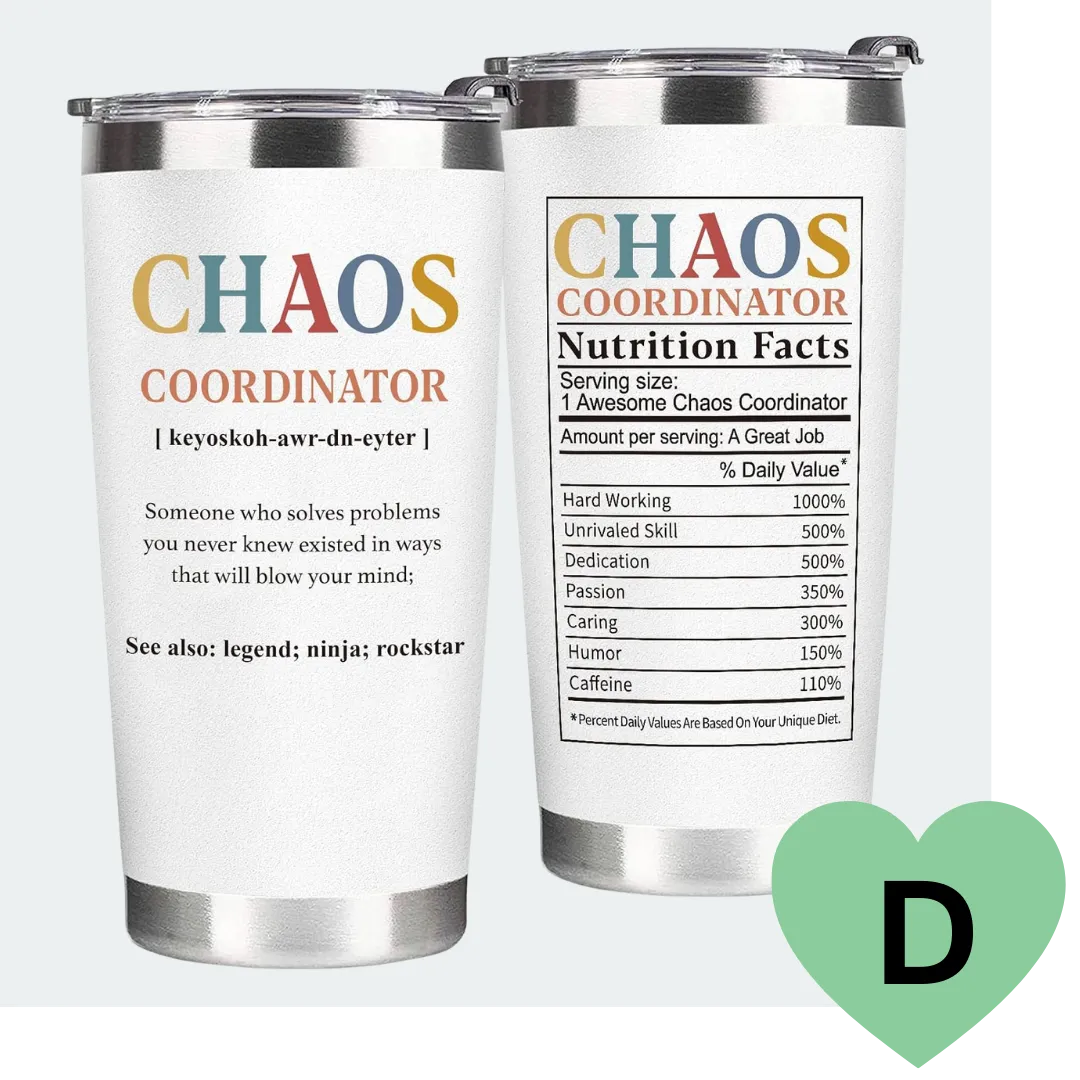
Problem Solving
Travel Mug

Influence Style: Outgoing and Innovative
People with an I-style love energy, recognition, and connection.
Personally deliver the gift or give them a call and say:
"Your energy and positivity make work more fun and keep our team connected. Thank you for the way you bring people together."
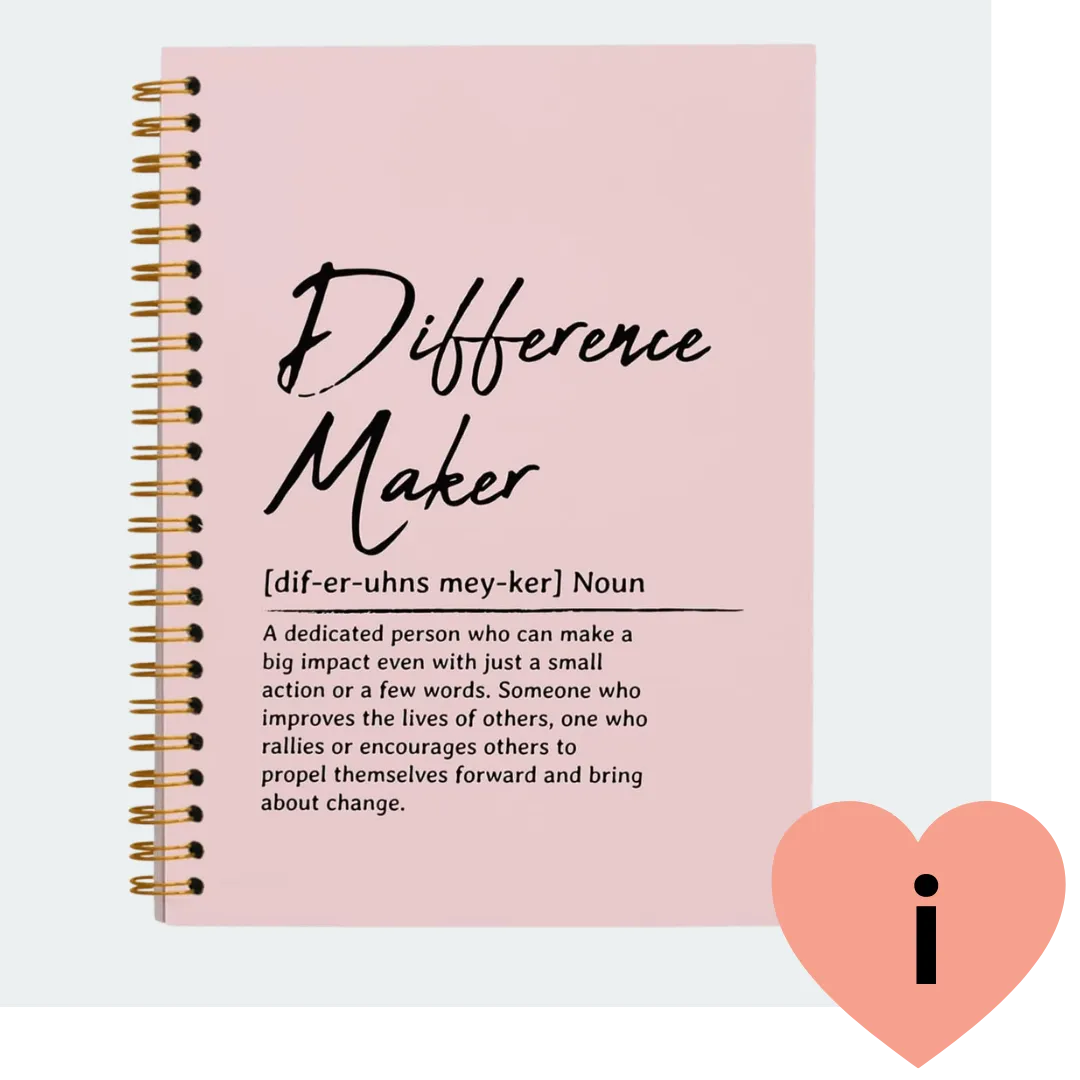
Inspiring Idea
Journal
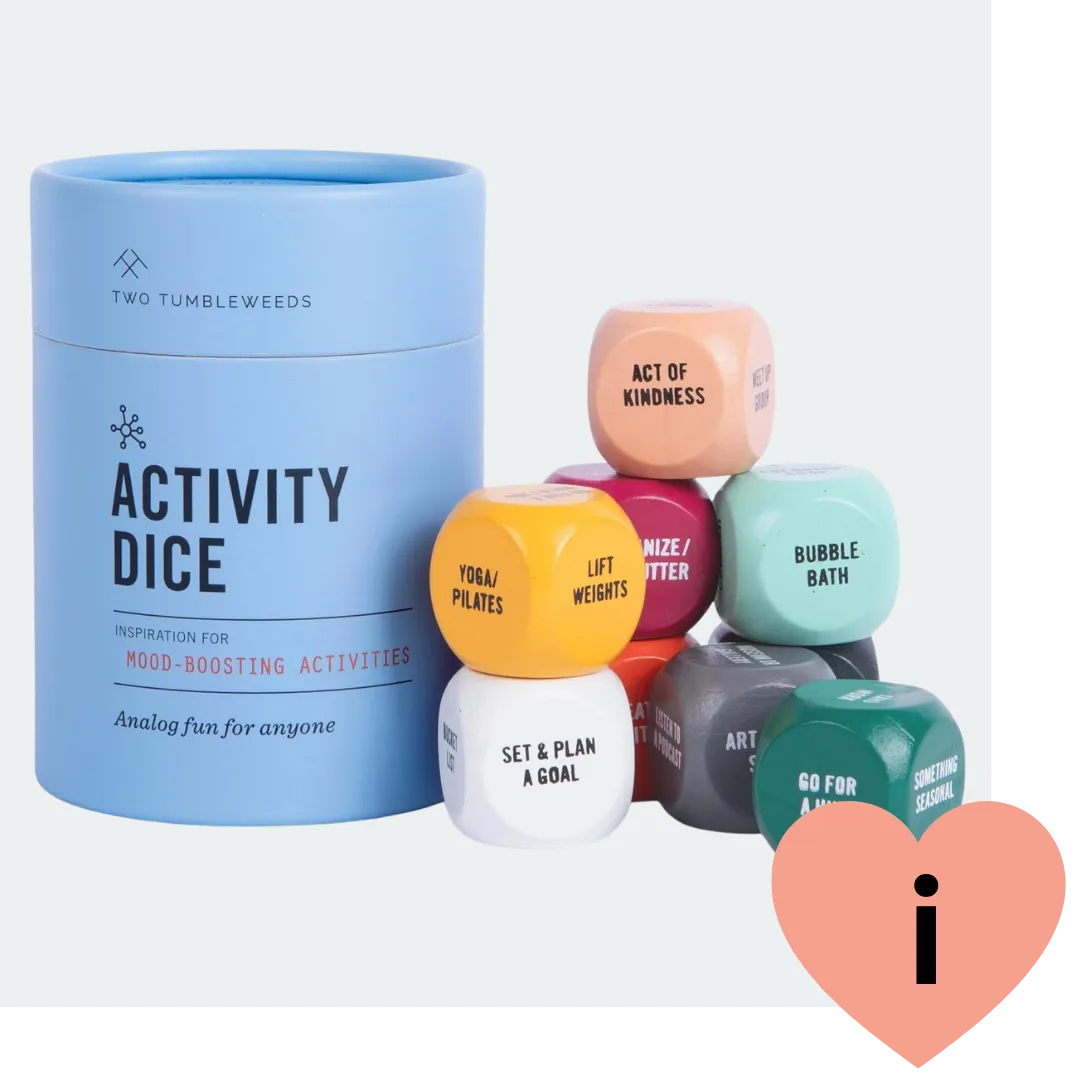
Mood Boosting
Desktop Game
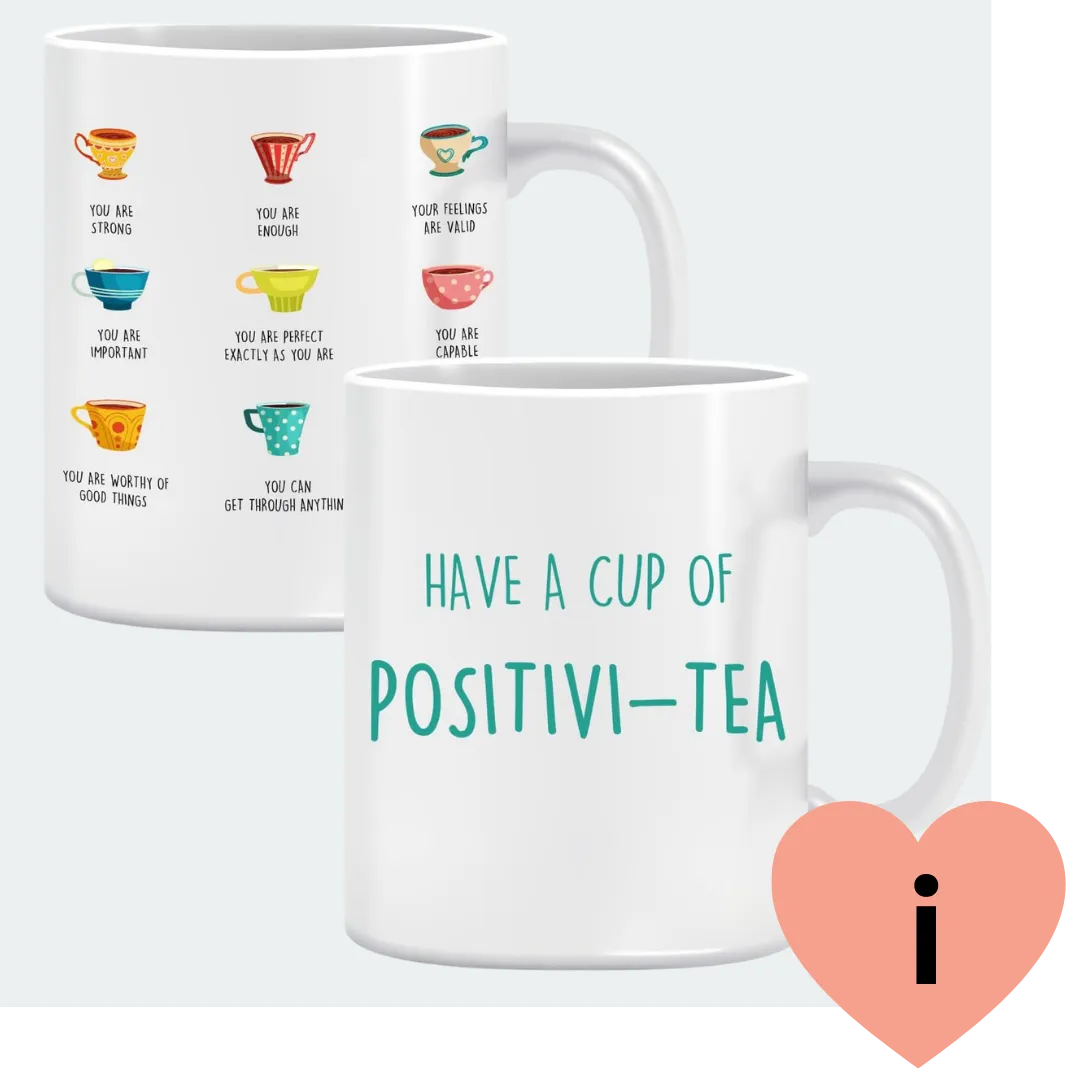
Positivi-Tea
Affirmation Mug

Steadiness Style: Helpful and Supportive
People with an S-style appreciate stability, collaboration, and feeling genuinely cared for.
Personally deliver the gift or give them a call and say:
"Thank you for being the steady, reliable presence our team can count on. I appreciate your kindness and support."
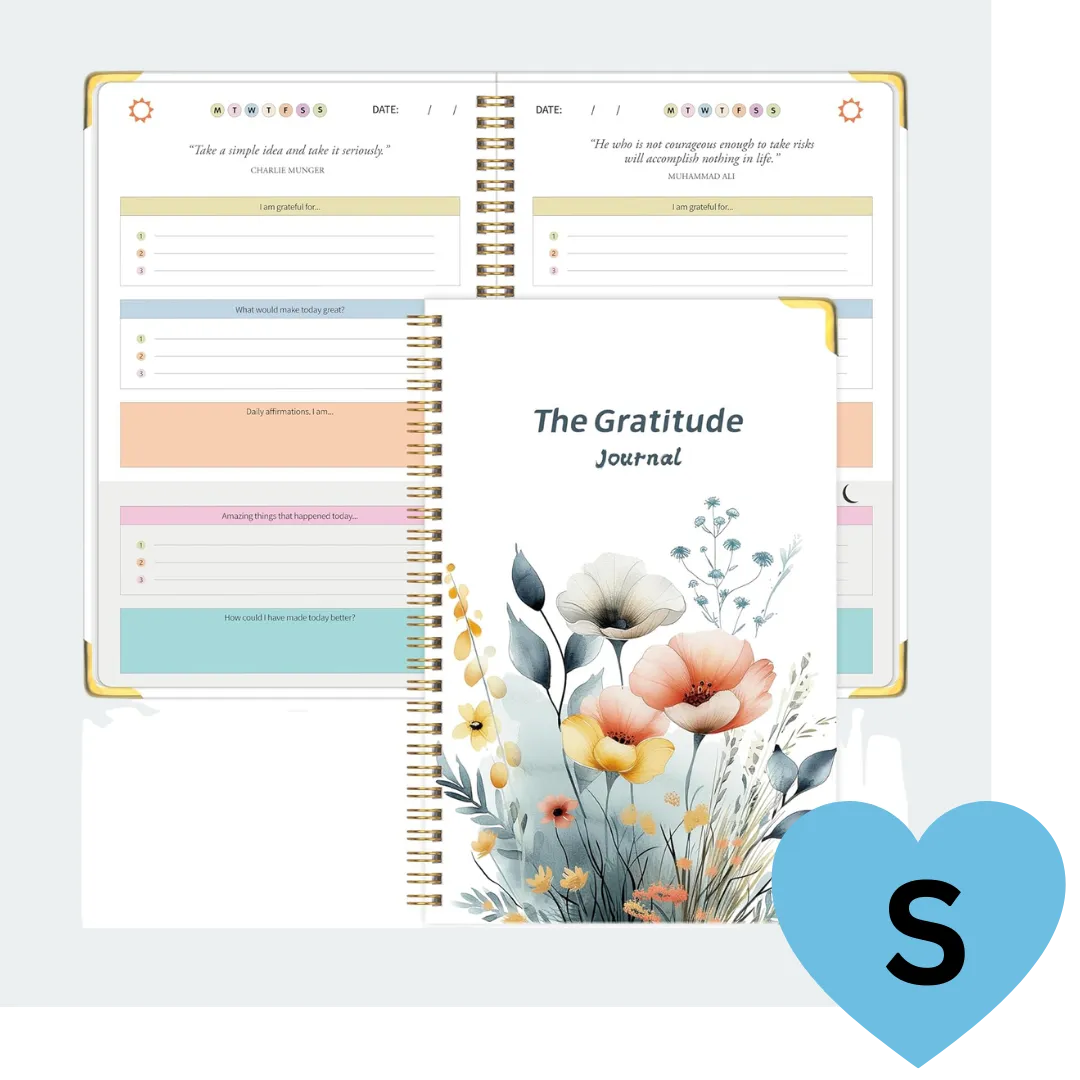
Gratitude
Journal

Affirmation
Paperweight

Warm and
Cozy Candle

Conscientious Style: Analytical and Quality-Focused
People with a C-style value expertise, accuracy, and high standards.
Include a hand-written note that says:
"Your attention to detail and commitment to quality raise the bar for all of us. Thank you for the thought you put into getting things right."
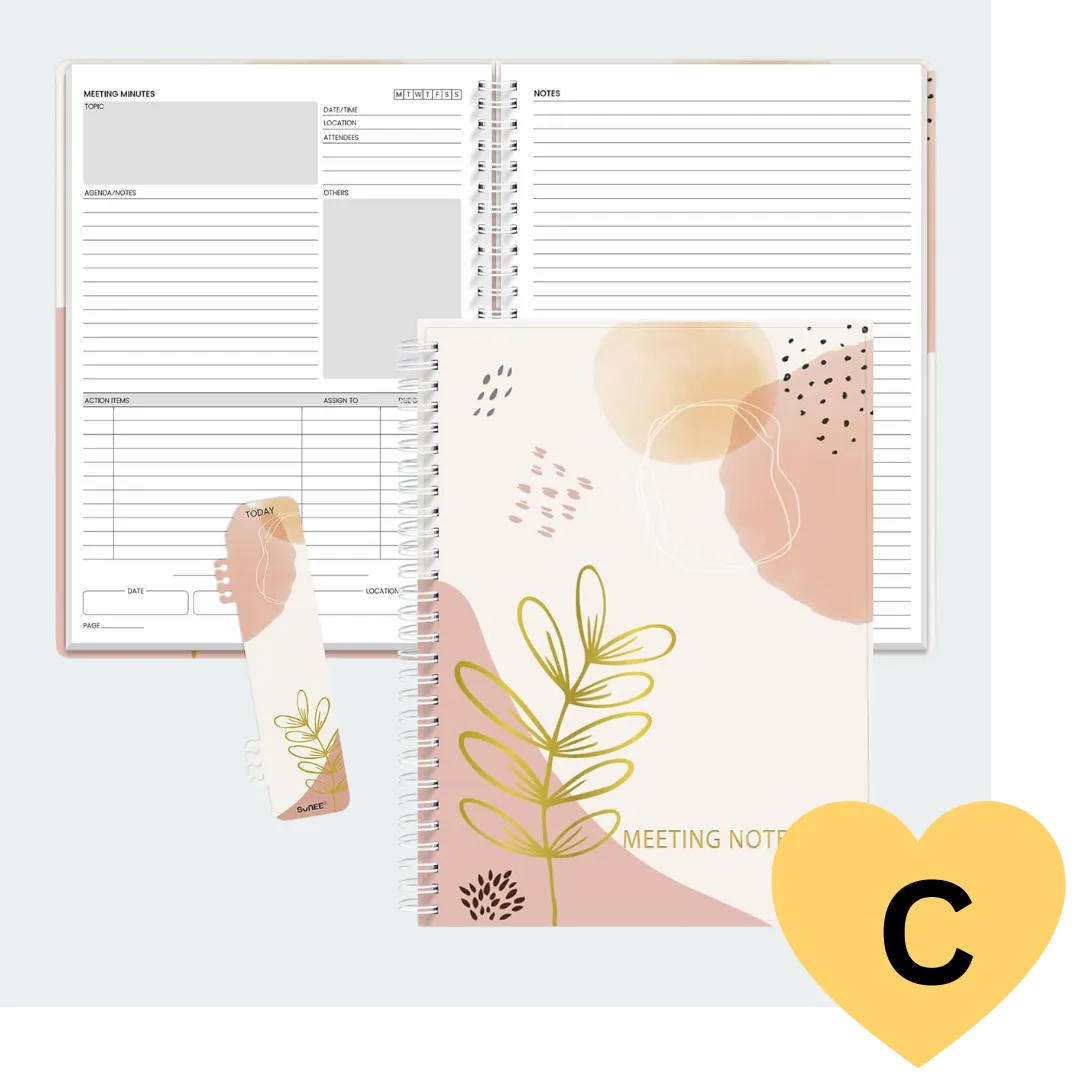
Meeting & Note
Taking Journal
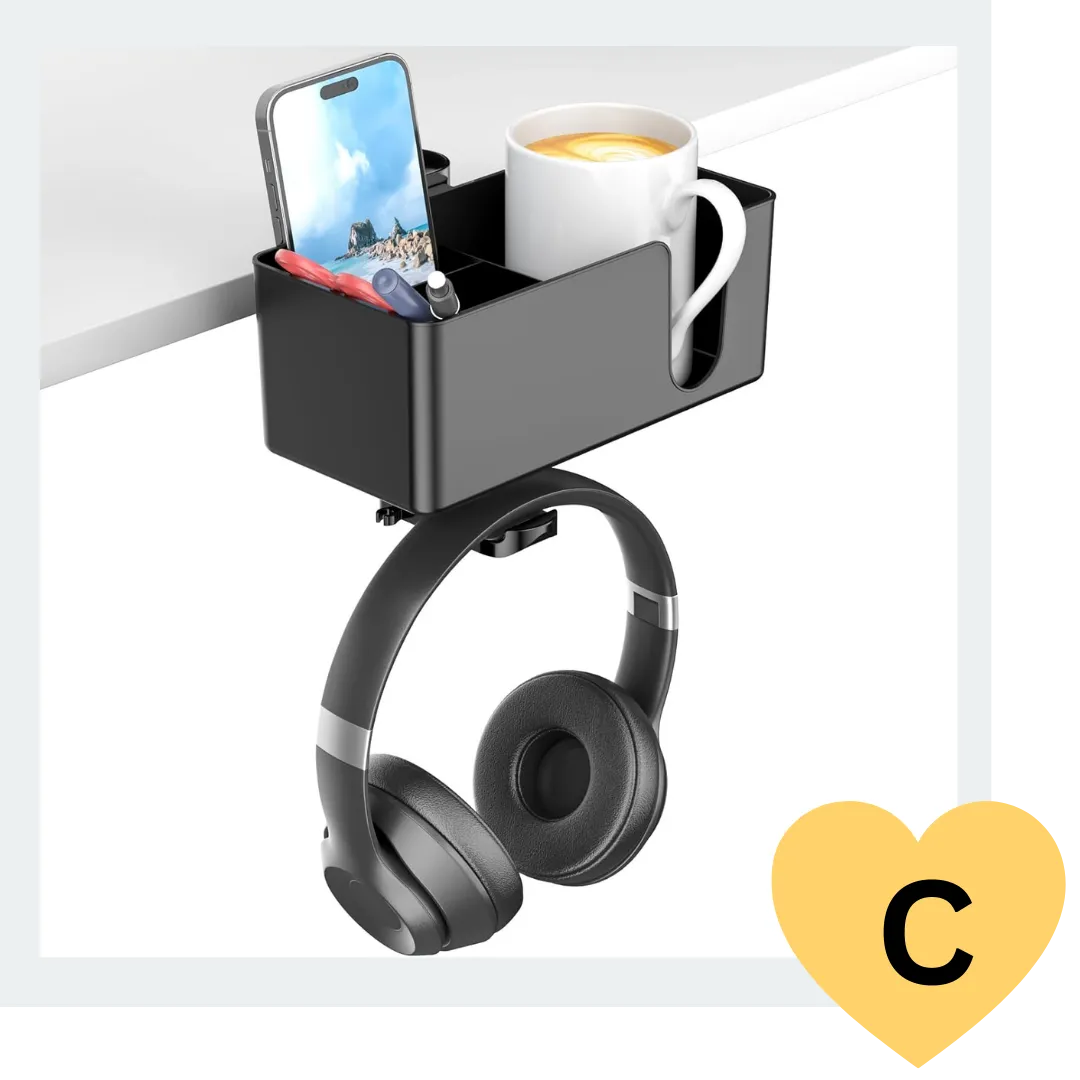
Desk
Caddy
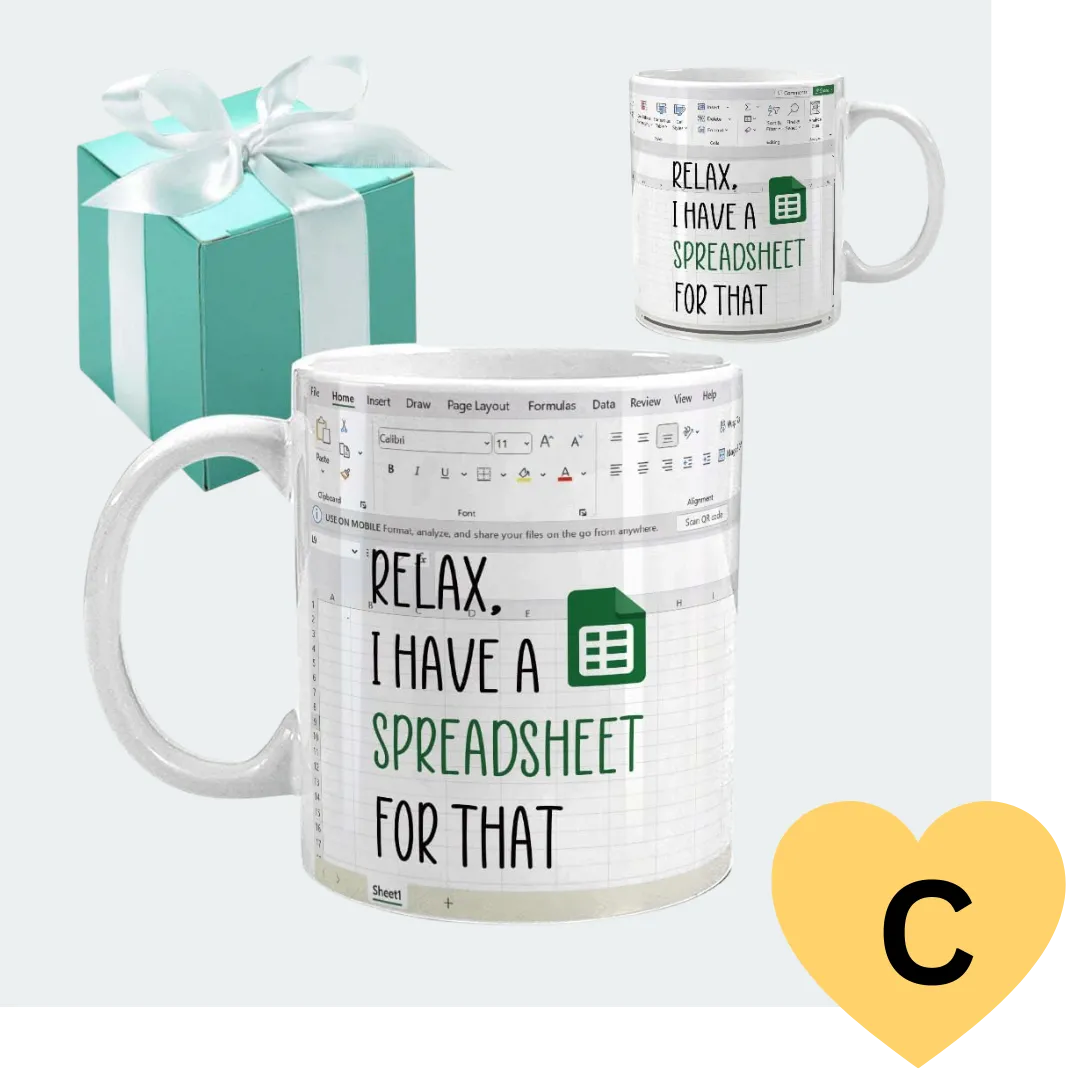
Spreadsheet
Mug
Here's a quick & insightful team building exercise!
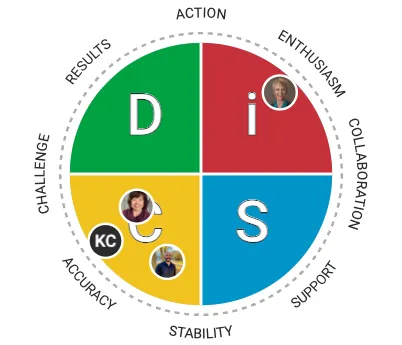
Log on to www.Catalyst.EverythingDiSC.com
Click on Groups & Create Group to build your team's DiSC composite DiSC profile
In your next team meeting, click on Group Insights to explore your team's profile
Use the Conversation Starters to get to know your team, make better decisions together, and communicate more clearly
Hi. I'm Amy Pearl.
Thank you for visiting our website. I hope you find some great employee appreciation gift ideas here. You'll find Amazon affiliate links on this page, meaning we earn a small commission if you buy through these links at no extra cost to you. We appreciate your business.
Need more ideas for recognizing and building your team? Let's hop on a call and brainstorm ideas.
Click the images below to achieve your goals.

Assessment
Solutions
Explore our assessments for candidate screening, development, team building, succession planning, and more.

Fabulous
Together
Give the women in your organization the coaching, confidence, and connections they need to have successful careers and a fabulous lives.

e-Learning
Made Easy
Create an amazing learning experience
whether your team is
at the office, at home, or on the go.

Lead
Ignited
Be the best leader you can be
with this award-winning
learning opportunity.

Collaboration
Breakthrough
Create a workplace you love with our best-selling book, employee survey, and interactive team experience.

Coaching
Conversations
Replace your archaic review process
with an online system to
guide GREAT conversations.
Download the Best Interview Questions
for Virtual Job Candidates
Check out our recent news and blog.

3 is the Magic Number Behind Every Great Hire
Quick Answer:
Three is a magic number in many places and definitely in hiring. Years ago, leadership author David Cottrell popularized what he called the Rule of Three: interview at least three qualified candidates for every position, interview each of them three times, and involve three different people in evaluating them. I also believe in another rule of three that a hiring decision should be based on at least three factors like an interview, an assessment, and references. Put the two together and you get an incredibly powerful candidate screening system. Three people. Three looks. Three pieces of evidence that the candidate is the right fit.
What Makes Three Special
The number three creates psychological safety because it represents the smallest possible pattern that provides predictability, balance, and completeness to the human brain. One is simply an isolated event, two is a contrast or a simple choice, but three creates a sequence that allows our brain to predict what comes next and reduces anxiety. Here are some examples of three's in our lives:
Passing along stories like the Three Little Pigs and sacred beliefs like the Three Wise Men
Creating a floral arrangement or a table scape in three's to achieve a sense of calm
Building habits like eating three meals each day and replacing your toothbrush every three months
Creating stability with a tripod
Even businesses use the number three (e.g., bronze/silver/gold packages) and three-word slogans like "Just Do It" to guide your brain toward making a fast, comfortable purchase.
So, it makes perfect sense that we use the psychological assurance and predictive power of three in the hiring process.
Who First Thought to Apply the Rule to Hiring
In his book Monday Morning Leadership, David Cottrell lays out what he calls the Rule of Three: interview at least three qualified candidates for every open position, interview each of those candidates three separate times, and have three different people involved in evaluating them. Cottrell’s reasoning is straightforward. A single interview, with a single person, lets almost anyone hold it together for an hour. Multiple looks, in multiple settings, with multiple sets of eyes, make it far harder for a mismatch to stay hidden.
The Modern Problem: Finding Three Qualified Candidates Isn’t As Easy As It Used To Be
Here’s where I want to be honest with you about something Cottrell couldn’t have fully anticipated. Getting to three genuinely qualified finalists is a lot harder than it sounds right now. National University’s 2026 hiring research found that 69% of employers are struggling to find qualified candidates for open positions, even as application volume per job posting has roughly doubled since 2022. In essence, more applicants not more quality, which means more noise for you to wade through before you even interview one solid candidate, let alone three. Separately, Robert Half’s 2026 hiring data found 58% of business leaders say an increase in AI-generated applications makes finding skilled professionals like finding a needle in a haystack.
None of this means the Rule of Three is outdated, we just need to find ways to make it easier.
Three Interviews, Three Formats, Three People, Without Wasting Time
Here's the cleanest way I’ve seen this work in practice:
Step one is a phone screen, quick and focused on the basics: are they qualified, available, and roughly in the right range on compensation and logistics. I've helped some of my clients implement an AI agent built around real job-specific competencies to make this first step more efficient.
Step two is a video interview, going deeper on experience and getting a first real read on how someone communicates and thinks on their feet.
Step three is the final, in-person interview, ideally with the candidate’s actual future supervisor. To ensure the supervisor is prepared, they use the candidate's PXT Select results and recommended interview questions. The supervisor might also give them a tour to see how the candidate interacts in a more informal setting or include other members of the team in the interview to get different perspectives. This really sharpens the execution of this step.
That structure alone gets you three formats and at least three people in the most efficient way possible.
Three Decision Factors
It's so tempting to let just one element of your process sway a hiring decision. Strong prior experience might outweigh a lackluster interview. A poor fit score in an assessment is easy to ignore when the person was so nice in the interview. (Check out the story in my post called: 5 Reasons for Using Cognitive Assessments When Screening Job Candidates.) Relying on just one factor can lead you to make a rash and wrong hiring decision.
Harness the power of three's by ensuring the candidate shines in at least three areas to boost your success rate. For example, (1) the candidate has great accomplishments listed on their resume, (2) they communicated effectively in the interview, and (3) their assessment fit score was high. Or, the candidate might be light on experience, but (1) their assessment results show real potential, (2) they came highly recommended by an existing employee, and (3) they interviewed well.
If they don't meet your expectations in three ways, it's time to move on to the next candidate. Three positive decision factors helps to ensure you're making the right choice.
Quick Answers to What People Actually Ask Me
What if I genuinely can’t find three qualified candidates for a role? It happens more than it used to and it might point to a job description that’s too narrow, a sourcing channel that’s underperforming, or a compensation range that’s out of step with the market, rather than a reason to abandon the process entirely. If you do have fewer than three qualified candidates, be sure that the one you hire absolutely knocks it out of the park on the three decision making factors (e.g., strong interview, strong assessment results, strong references).
Is using AI for a phone screen a bad idea? Not inherently, and it can save real time. The risk isn’t the AI itself, it’s an AI agent that's trained on generic questions instead of the specific competencies that actually matter for the role. Make it work for you and your organization!
Does the assessment count as one of the “three people” in the Rule of Three? No, and that’s an important distinction. The assessment informs all three human evaluators, it isn’t a stand-in for one of them. The people doing the evaluating still need to be people.
Doesn’t all of this add a lot of time to hiring? Structured properly, three focused conversations across three people, each sharpened by just-in-time assessment data, usually move faster than an unstructured process with vague, overlapping interviews and no one quite sure what the last person already covered. I just had a client share that she filled 200 positions over two weekends with drive-through interviewing. Anything is possible with the right process in place!
Want the Bigger Picture on Where Hiring is Headed?
Download “Building a Future-Ready Workforce,” a Wiley report on the trends shaping how organizations attract and keep the right people.
Stay Ignited!