












Top Challenges Facing Today's Learning Professionals: The 3 C's
Top Challenges Facing Today’s Learning & Development Professionals: The 3 C's
If you’ve ever thought...
“It’s not that we don’t know what to do, we just don’t have the time, support, or clarity to do it well,”
this list will feel very familiar.
This article captures the most pressing challenges facing L&D leaders today, informed by SHRM's 2026 forecasted trends, Wiley Workplace Intelligence research, my client conversations, and real-world field experience. I've provided a quick hit solution for each challenge, recognizing that these fixes can be easier said than done, but I want you to feel confident, to know that you can make a difference despite these challenging times, and especially, to put things in perspective to stay in a positive mindset.
Email me to let me know which of these challenges is your biggest. Or perhaps you're willing to share an idea about how you're tackling one of these challenges. Throughout the year, I'll expand on each topic in a new post.
The Big Picture: Capability, Capacity, and Clarity
Across industries, L&D challenges tend to fall into three interconnected themes:
Capability Challenges – Do people have the skills they need to perform?
Capacity Challenges – Do people have the time, energy, and bandwidth to apply those skills?
Clarity Challenges – Do people agree on expectations, understand roles, and have authority?
Most breakdowns and frustrations among learning professionals aren’t caused by a lack of content or expertise. They happen when one or more of these elements is missing.
Capability Challenges
1. Proving Business Impact, Not Just Participation
Learning is still too often evaluated by attendance, completion rates, or satisfaction surveys. Meanwhile, executives are asking harder questions about performance impact, productivity, retention, and ROI. L&D professionals are under pressure to clearly connect development efforts to measurable business outcomes, often without clean data or shared success metrics.
Quick hit: Start by defining success before initiatives launch. Identify one or two business indicators or pain points that matter most and track those consistently over time. Involve executives and your learners' managers in the monitoring process to build accountability for change and social proof that your efforts are paying off.
2. Too Much Time in Training, Not Enough Real-Time Skill Building
Traditional training models cannot keep up with the pace of change. Employees need support in the moment, not months later in a workshop. L&D leaders are challenged to shift from event-based training to continuous, practical upskilling without overwhelming learners or over-engineering solutions.
Quick hit: Break learning into small role or topic-specific moments. Focus on one skill at a time that can be practiced immediately rather than designing comprehensive programs that feel heavy and delayed. Check out our Grab-n-Go Learning Kits for turnkey management training that can be delivered in less than an hour.
3. AI Has Sparked Curiosity and Anxiety
AI is a top executive priority, but many organizations are unclear about how to use it responsibly and effectively in learning, performance, and people decisions. People recognize that the promise is undeniable but are asking, "will AI replace me?" and "how can I find time to learn about these new tools?" L&D is tasked with enabling AI adoption for things like real-time coaching and tailored, continuous learning, but feel unprepared to do so, creating a gap between expectations and execution.
Quick hit: Shift the conversation from tools to use cases. Rolling out tools like Copilot or learning management systems filled with unlimited content without a strategy will lead to problems down the road. Start by identifying where AI could realistically save time or improve decision quality, then build capability around those specific scenarios.
4. Human Skills Are Still the Biggest Differentiators
The research is clear: emotional intelligence, communication, and leadership skills are the strongest contributors to high performing teams. L&D leaders are challenged to develop and keep these skills alive beyond initial training so they become a way of being and drive culture.
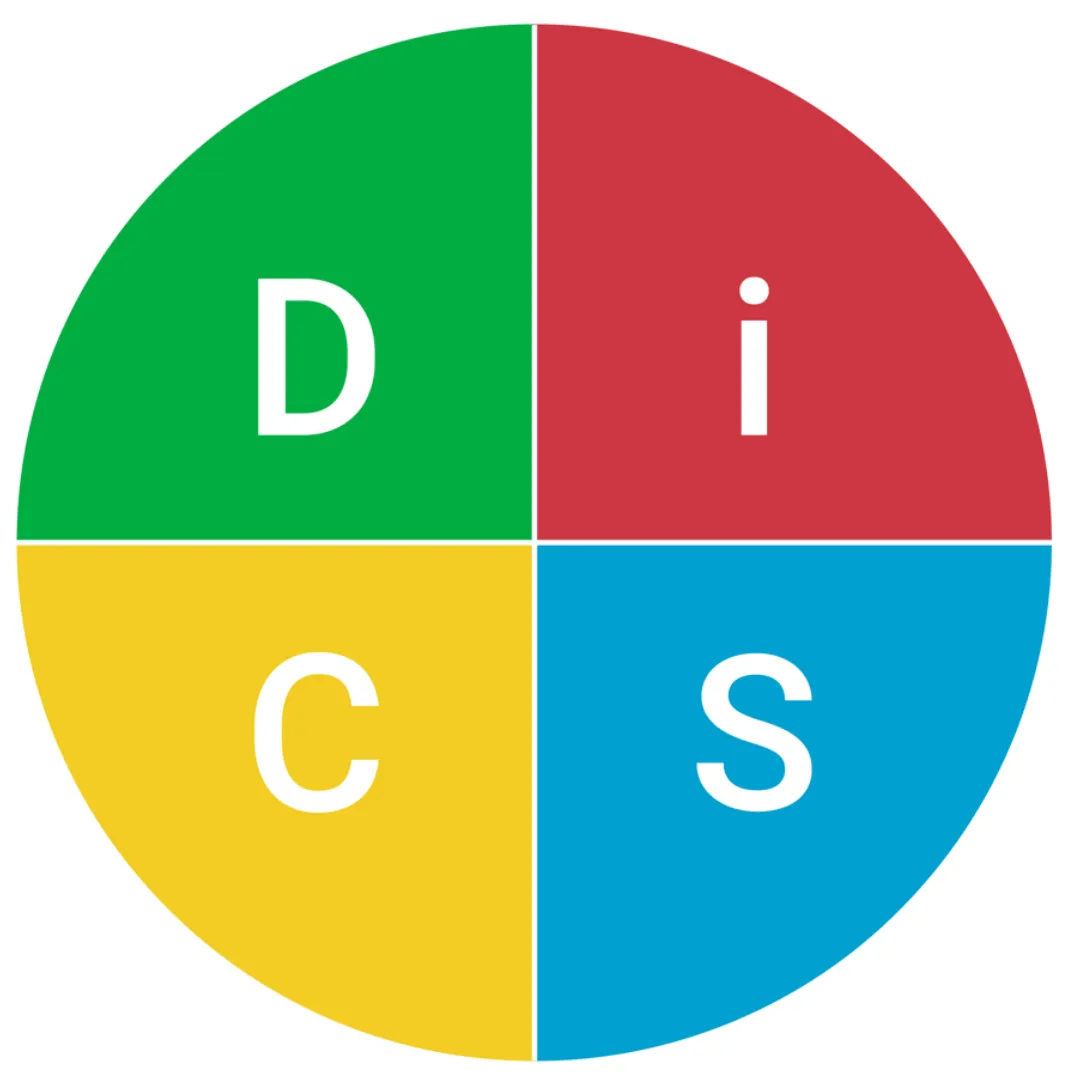
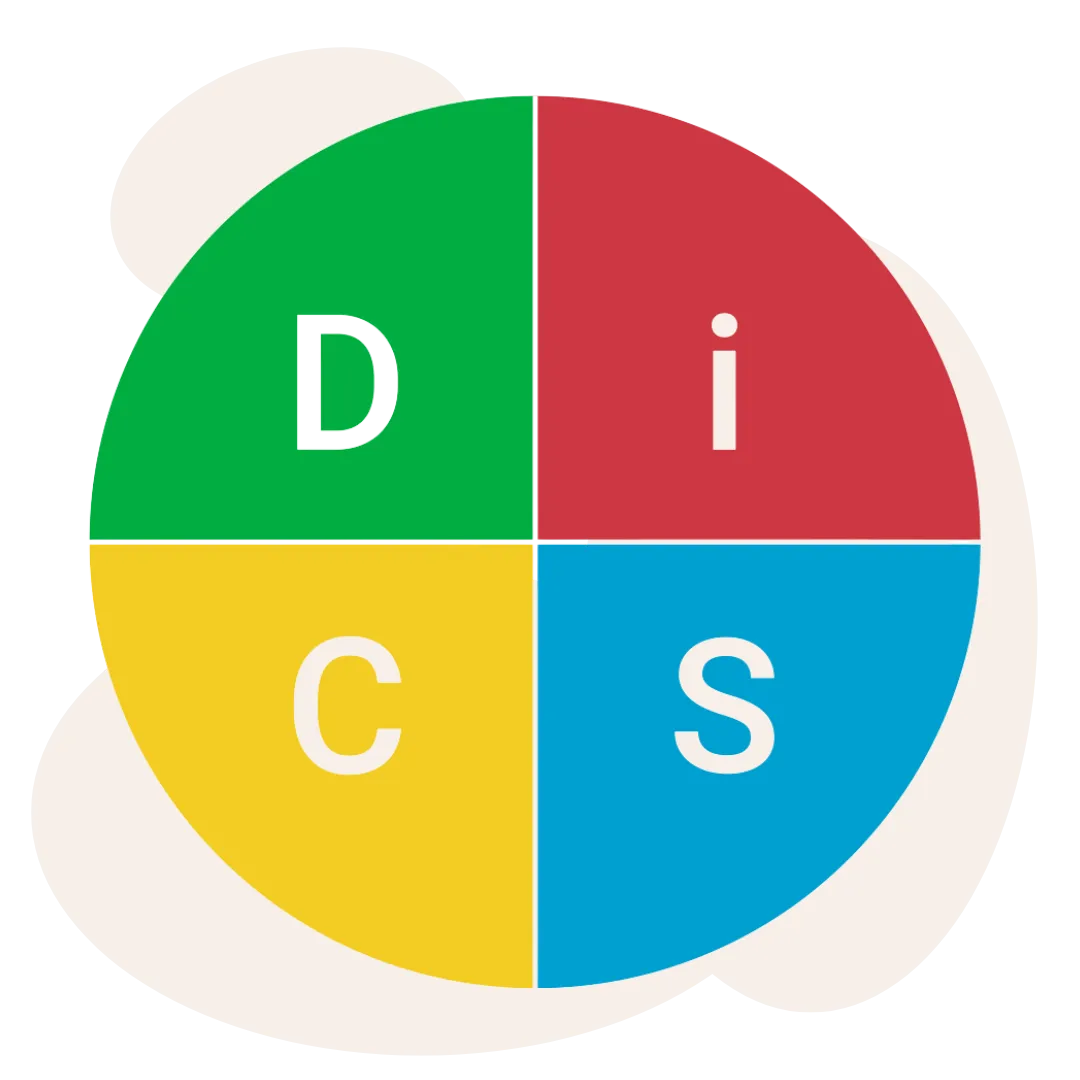
Quick hit: Anchor human skills to existing rhythms. Tie them into team meetings, one-on-ones, and project debriefs so they are practiced as part of real work, not treated as standalone topics. You know my go-to answer here always begins with Everything DiSC, especially if you've already begun using it in your organization.
Capacity Challenges
5. Manager Burnout Is Undermining Development Efforts
Managers are the linchpin of development, yet they are among the most burned-out groups in the workforce with almost half reporting they are like burnt toast. When managers are overwhelmed, setting clear expectations, delivering feedback, and coaching to develop new habits drop first. L&D is expected to build capability in leaders who may not have the capacity, energy, or confidence to apply what they learn.
Quick hit: Reduce the load before adding new expectations. Simplify what good leadership looks like and focus managers on a small set of high-impact behaviors rather than asking them to excel at a laundry list of competencies.
6. Meeting Overload Is Crowding Out Learning and Production
Employees are spending more time in meetings and less time doing real work. When calendars are packed, development becomes theoretical instead of actionable. L&D leaders must design learning that respects attention, reduces cognitive load, and fits into real workflows.
Quick hit: Teach teams the skills to replace and restructure meetings rather than adding to them. Short, focused discussions or reflection prompts can often be embedded into meetings or chats that already exist. Start by using your Everything DiSC Catalyst Administrator Platform to give meeting participants the Group Insights they need to drive efficient and productive conversations, decision makings, and actions.
7. Employee Stress Is Structural, Not Situational
Stress is no longer tied to busy seasons or isolated change initiatives. In a recent Wiley Research study, 95% of employees reported significant stress with 36% saying it is severe. An inability to reset or recover drains productivity, engagement, and focus. L&D professionals are increasingly expected to support resilience, focus, and well-being without the ability to influence the priorities, workload, or processes of their learners.
Quick hit: Focus on clarity over coping. Reducing unnecessary complexity, conflicting priorities, and unclear expectations often does more for stress than adding more wellness programming. Check out my blog post: How to Coach Leaders to Adapt in Stressful Situations for more ideas!
Clarity Challenges
8. Feedback Systems Are Broken or Inconsistent
Annual reviews are widely acknowledged as ineffective, yet many organizations have not replaced them with sustainable alternatives. Employees crave clarity and support, but managers need the tools, habits, and confidence to provide frequent, meaningful feedback. L&D is often asked to fix a systemic issue through training alone.
Quick hit: It's proven that teams that rely on weekly check-ins or quick debriefs feel dramatically more supported. Consistent touchpoints create psychological safety, keep expectations clear, and make projects feel more manageable. Normalize short, frequent check-ins. Equip managers with simple questions and structure so feedback feels manageable.
9. Empowerment Without Authority
77% of employees report that they are told to take initiative, yet have not been given the authority to make decisions or take action. This creates frustration, hesitation, stalled work, and mistrust. L&D leaders struggle to help leaders build ownership and accountability when authority, expectations, and boundaries are not well defined.
Quick hit: Clarify who decides what. Even basic decision maps or role clarity conversations can dramatically improve confidence and follow-through. Get my Delegation Grab-N-Go Learning Kit to teach managers to build trust that leads to true empowerment.
10. Workforce Fragmentation Require New Learning Models
With the rise of hybrid teams, gig workers, micro-teams, polyworking, and fractional roles, learning is no longer centralized or streamlined. L&D must support development across diverse and variable work arrangements while maintaining consistency, culture, and shared language.
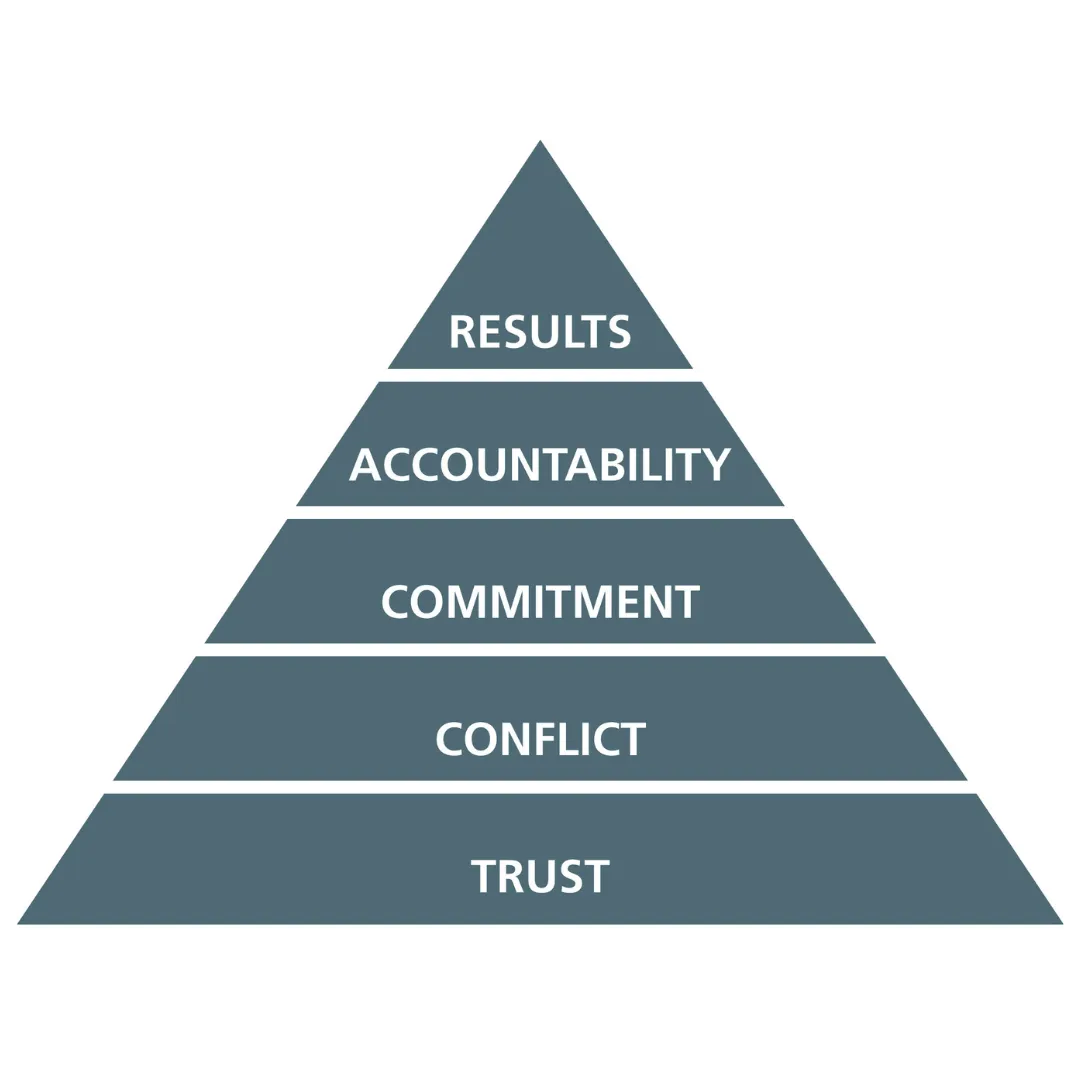
Quick hit: Recognize that your traditional and functional org charts are outdated moments after they are created. Focus on the leadership teams, project teams, and informal networks that actually make things happen. And, don't rely on your old strategies - trust and team building activities have not created environments for healthy, productive conflict and true collaboration. Develop shared language, skills, and people frameworks across roles to create collaboration even when work structures are decentralized and ever-changing.
Why This Matters Right Now
None of these challenges exist in isolation. Most L&D professionals are navigating all three themes: Capability, Capacity, and Clarity at the same time. That’s why the work can feel heavy, even when you love what you do.
The good news? These challenges are solvable. Not overnight. Not with one shiny new program, but one step at a time and your ability to influence at a higher level in your organization. Thoughtful prioritization, clearer frameworks, and practical tools will have the greatest impact on how people work and feel.
Would you like me to address these challenges in a deeper way this year? If so, email me to let me know:
Which of these challenges is hitting you hardest right now? Capability, Capacity, or Clarity or a specific item on the above list?
What solutions have you implemented to overcome one of these challenges?
Share your biggest challenges and your ideas. I'll dive deeper into one each month with field-tested guidance you can actually use.
My goal for you is to work smarter not harder. This post is the starting point. The solutions are coming.

Click the images below to achieve your goals.

Assessment
Solutions
Explore our assessments for candidate screening, development, team building, succession planning, and more.

Fabulous
Together
Give the women in your organization the coaching, confidence, and connections they need to have successful careers and a fabulous lives.

e-Learning
Made Easy
Create an amazing learning experience
whether your team is
at the office, at home, or on the go.

Lead
Ignited
Be the best leader you can be
with this award-winning
learning opportunity.

Collaboration
Breakthrough
Create a workplace you love with our best-selling book, employee survey, and interactive team experience.

Coaching
Conversations
Replace your archaic review process
with an online system to
guide GREAT conversations.
Download the Best Interview Questions
for Virtual Job Candidates
Look who's using our assessments today:





Check out our recent news and blog.
Top Challenges Facing Today's Learning Professionals: The 3 C's
Top Challenges Facing Today’s Learning & Development Professionals: The 3 C's
If you’ve ever thought...
“It’s not that we don’t know what to do, we just don’t have the time, support, or clarity to do it well,”
this list will feel very familiar.
This article captures the most pressing challenges facing L&D leaders today, informed by SHRM's 2026 forecasted trends, Wiley Workplace Intelligence research, my client conversations, and real-world field experience. I've provided a quick hit solution for each challenge, recognizing that these fixes can be easier said than done, but I want you to feel confident, to know that you can make a difference despite these challenging times, and especially, to put things in perspective to stay in a positive mindset.
Email me to let me know which of these challenges is your biggest. Or perhaps you're willing to share an idea about how you're tackling one of these challenges. Throughout the year, I'll expand on each topic in a new post.
The Big Picture: Capability, Capacity, and Clarity
Across industries, L&D challenges tend to fall into three interconnected themes:
Capability Challenges – Do people have the skills they need to perform?
Capacity Challenges – Do people have the time, energy, and bandwidth to apply those skills?
Clarity Challenges – Do people agree on expectations, understand roles, and have authority?
Most breakdowns and frustrations among learning professionals aren’t caused by a lack of content or expertise. They happen when one or more of these elements is missing.
Capability Challenges
1. Proving Business Impact, Not Just Participation
Learning is still too often evaluated by attendance, completion rates, or satisfaction surveys. Meanwhile, executives are asking harder questions about performance impact, productivity, retention, and ROI. L&D professionals are under pressure to clearly connect development efforts to measurable business outcomes, often without clean data or shared success metrics.
Quick hit: Start by defining success before initiatives launch. Identify one or two business indicators or pain points that matter most and track those consistently over time. Involve executives and your learners' managers in the monitoring process to build accountability for change and social proof that your efforts are paying off.
2. Too Much Time in Training, Not Enough Real-Time Skill Building
Traditional training models cannot keep up with the pace of change. Employees need support in the moment, not months later in a workshop. L&D leaders are challenged to shift from event-based training to continuous, practical upskilling without overwhelming learners or over-engineering solutions.
Quick hit: Break learning into small role or topic-specific moments. Focus on one skill at a time that can be practiced immediately rather than designing comprehensive programs that feel heavy and delayed. Check out our Grab-n-Go Learning Kits for turnkey management training that can be delivered in less than an hour.
3. AI Has Sparked Curiosity and Anxiety
AI is a top executive priority, but many organizations are unclear about how to use it responsibly and effectively in learning, performance, and people decisions. People recognize that the promise is undeniable but are asking, "will AI replace me?" and "how can I find time to learn about these new tools?" L&D is tasked with enabling AI adoption for things like real-time coaching and tailored, continuous learning, but feel unprepared to do so, creating a gap between expectations and execution.
Quick hit: Shift the conversation from tools to use cases. Rolling out tools like Copilot or learning management systems filled with unlimited content without a strategy will lead to problems down the road. Start by identifying where AI could realistically save time or improve decision quality, then build capability around those specific scenarios.
4. Human Skills Are Still the Biggest Differentiators
The research is clear: emotional intelligence, communication, and leadership skills are the strongest contributors to high performing teams. L&D leaders are challenged to develop and keep these skills alive beyond initial training so they become a way of being and drive culture.
Quick hit: Anchor human skills to existing rhythms. Tie them into team meetings, one-on-ones, and project debriefs so they are practiced as part of real work, not treated as standalone topics. You know my go-to answer here always begins with Everything DiSC, especially if you've already begun using it in your organization.
Capacity Challenges
5. Manager Burnout Is Undermining Development Efforts
Managers are the linchpin of development, yet they are among the most burned-out groups in the workforce with almost half reporting they are like burnt toast. When managers are overwhelmed, setting clear expectations, delivering feedback, and coaching to develop new habits drop first. L&D is expected to build capability in leaders who may not have the capacity, energy, or confidence to apply what they learn.
Quick hit: Reduce the load before adding new expectations. Simplify what good leadership looks like and focus managers on a small set of high-impact behaviors rather than asking them to excel at a laundry list of competencies.
6. Meeting Overload Is Crowding Out Learning and Production
Employees are spending more time in meetings and less time doing real work. When calendars are packed, development becomes theoretical instead of actionable. L&D leaders must design learning that respects attention, reduces cognitive load, and fits into real workflows.
Quick hit: Teach teams the skills to replace and restructure meetings rather than adding to them. Short, focused discussions or reflection prompts can often be embedded into meetings or chats that already exist. Start by using your Everything DiSC Catalyst Administrator Platform to give meeting participants the Group Insights they need to drive efficient and productive conversations, decision makings, and actions.
7. Employee Stress Is Structural, Not Situational
Stress is no longer tied to busy seasons or isolated change initiatives. In a recent Wiley Research study, 95% of employees reported significant stress with 36% saying it is severe. An inability to reset or recover drains productivity, engagement, and focus. L&D professionals are increasingly expected to support resilience, focus, and well-being without the ability to influence the priorities, workload, or processes of their learners.
Quick hit: Focus on clarity over coping. Reducing unnecessary complexity, conflicting priorities, and unclear expectations often does more for stress than adding more wellness programming. Check out my blog post: How to Coach Leaders to Adapt in Stressful Situations for more ideas!
Clarity Challenges
8. Feedback Systems Are Broken or Inconsistent
Annual reviews are widely acknowledged as ineffective, yet many organizations have not replaced them with sustainable alternatives. Employees crave clarity and support, but managers need the tools, habits, and confidence to provide frequent, meaningful feedback. L&D is often asked to fix a systemic issue through training alone.
Quick hit: It's proven that teams that rely on weekly check-ins or quick debriefs feel dramatically more supported. Consistent touchpoints create psychological safety, keep expectations clear, and make projects feel more manageable. Normalize short, frequent check-ins. Equip managers with simple questions and structure so feedback feels manageable.
9. Empowerment Without Authority
77% of employees report that they are told to take initiative, yet have not been given the authority to make decisions or take action. This creates frustration, hesitation, stalled work, and mistrust. L&D leaders struggle to help leaders build ownership and accountability when authority, expectations, and boundaries are not well defined.
Quick hit: Clarify who decides what. Even basic decision maps or role clarity conversations can dramatically improve confidence and follow-through. Get my Delegation Grab-N-Go Learning Kit to teach managers to build trust that leads to true empowerment.
10. Workforce Fragmentation Require New Learning Models
With the rise of hybrid teams, gig workers, micro-teams, polyworking, and fractional roles, learning is no longer centralized or streamlined. L&D must support development across diverse and variable work arrangements while maintaining consistency, culture, and shared language.
Quick hit: Recognize that your traditional and functional org charts are outdated moments after they are created. Focus on the leadership teams, project teams, and informal networks that actually make things happen. And, don't rely on your old strategies - trust and team building activities have not created environments for healthy, productive conflict and true collaboration. Develop shared language, skills, and people frameworks across roles to create collaboration even when work structures are decentralized and ever-changing.
Why This Matters Right Now
None of these challenges exist in isolation. Most L&D professionals are navigating all three themes: Capability, Capacity, and Clarity at the same time. That’s why the work can feel heavy, even when you love what you do.
The good news? These challenges are solvable. Not overnight. Not with one shiny new program, but one step at a time and your ability to influence at a higher level in your organization. Thoughtful prioritization, clearer frameworks, and practical tools will have the greatest impact on how people work and feel.
Would you like me to address these challenges in a deeper way this year? If so, email me to let me know:
Which of these challenges is hitting you hardest right now? Capability, Capacity, or Clarity or a specific item on the above list?
What solutions have you implemented to overcome one of these challenges?
Share your biggest challenges and your ideas. I'll dive deeper into one each month with field-tested guidance you can actually use.
My goal for you is to work smarter not harder. This post is the starting point. The solutions are coming.