

















5 Things That Get Head Coaches Fired (And Why Leaders Should Pay Attention)
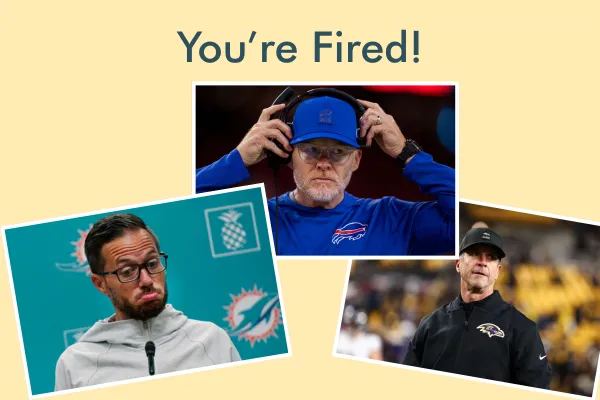
Wow! Can you believe the Buffalo Bills fired Head Coach Sean McDermott today?
Sure, some fans have been calling for change, but let’s agree: Sean McDermott was the best head coach this franchise has had since the Marv Levy era. He helped rebuild a broken organization, instilled a culture of teamwork and loyalty, and led the Bills to consistent playoff runs after decades of disappointment.
Culture matters. Buffalo isn’t just known for snow anymore. It’s known for Josh Allen and winning football.
But here’s the uncomfortable truth, both in football and in business:
Culture alone is not enough.
At the highest levels, leaders aren’t judged only by what they build. They’re judged by what they deliver when it matters most. Which brings us to the hard question:
Why do successful leaders still get fired?
Here's my take:
1. You Don’t Win the Game That Counts
Playoff appearances are meaningful. Championships are decisive.
At some point, effort, culture, and improvement stop being enough. Progress must turn into payoff because results matter. When the goal is clear, repeated near-misses eventually signal a leadership problem, not a performance dip.
If you’re hitting your annual KPI’s but not achieving the transformational goals or your organization’s ultimate mission, owners, boards, and stakeholders will start questioning your potential.
2. Inconsistency as Expectations Rise
Your organization performs well, but not reliably.
In a rebuild, inconsistency and situational lapses are tolerated and even expected. In a championship window, they are unacceptable. What once looked like momentum now feels unpredictable. And unpredictability at the top is unsettling.
What got you out of the basement isn’t likely to get you to the Super Bowl. Sustained wins require people, processes, and systems that create predictability, consistency, and accountability.
3. Failure to Pivot When the Philosophy Stops Working
Adjustments come too late, or not at all.
“Trust the process” and “everybody eats” were not clichés in Buffalo. They were powerful, unifying leadership philosophies. They created belief, stability, and a shared identity.
Until the competition increased.
Strong philosophies are essential. But when leaders cling to them as the world around them evolves, those philosophies quietly turn into rigidity.
Optimizing a system that’s no longer working is still failure, just slower. The best leaders know when to honor what worked, acknowledge what no longer does, and pivot decisively, not incrementally.
4. Over-Reliance on a Superstar
The Bills have talent. That’s not the debate.
Elite talent masks system weaknesses. The cape-wearing quarterback improvises, the rainmaker saves the quarter, the leader personally steps in to get the team across the finish line. When key players are sidelined, neutralized, or underutilized, gaps are exposed.
Great leaders don’t just accumulate talent. They deploy it effectively, adapt around limitations, and develop depth that can withstand adversity.
5. Avoiding Conflict Shows Up as Hesitation When It Matters
A strong culture sometimes avoids hard truths.
This pattern shows up more often than leaders like to admit.
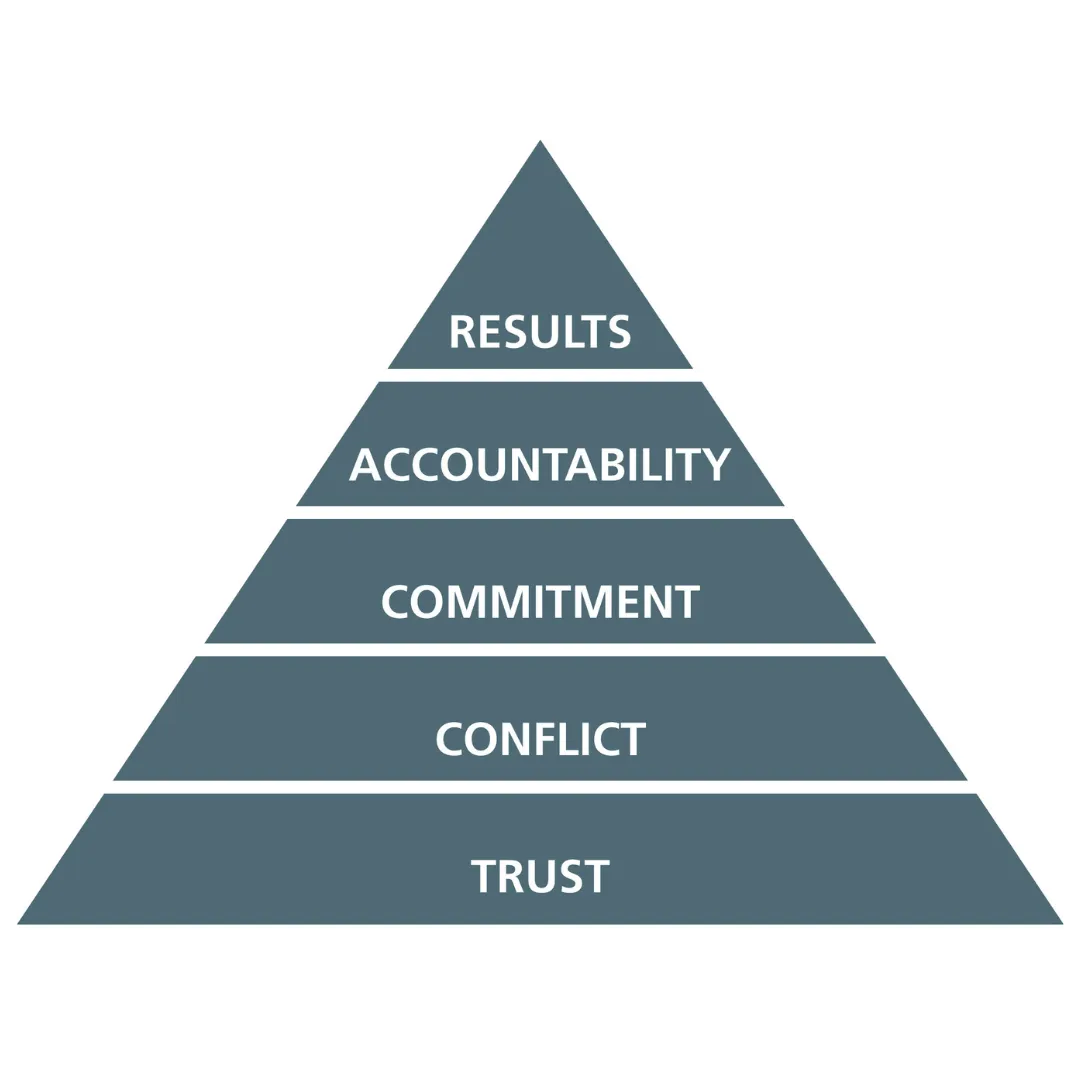
You build a strong, loyal culture but avoid the hardest conversations: about roles, performance, needed change, etc. Avoided conflict doesn’t disappear. It resurfaces as conservative decisions, delayed calls, chaos on the field, and playing not to lose instead of playing to win.
Unaddressed tension becomes hesitation under pressure. And hesitation, at the highest level, is costly. Top leaders address conflict proactively, sensitively, and in a way that drives the desired end result.
The Quiet Reality No One Likes to Say Out Loud
When a team is built and paid to contend, consistent exits at the same stage of the journey look like you’ve reached your ceiling. This isn’t about being bad. It’s about growing expectations.
It’s the nature of leadership at the top.
Which is why this matters just as much for leaders as it does for football head coaches.
Want to stay in the game?
Win the ultimate game.
Build sustainable momentum.
Know when it's time to pivot.
Build bench strength.
Address conflict head on.
Head Coaches Need Coaching, Especially the Successful Ones
When you’re leading a high-performing team or organization, the work isn’t about fixing what’s broken. It’s about recognizing what must evolve before someone else decides for you.
If you’re navigating that moment, let’s talk.
I work with leaders who are already successful AND want to stay that way. Go Bills! ♥️🦬💙

Click the images below to achieve your goals.

Assessment
Solutions
Explore our assessments for candidate screening, development, team building, succession planning, and more.

Fabulous
Together
Give the women in your organization the coaching, confidence, and connections they need to have successful careers and a fabulous lives.

e-Learning
Made Easy
Create an amazing learning experience
whether your team is
at the office, at home, or on the go.

Lead
Ignited
Be the best leader you can be
with this award-winning
learning opportunity.

Collaboration
Breakthrough
Create a workplace you love with our best-selling book, employee survey, and interactive team experience.

Coaching
Conversations
Replace your archaic review process
with an online system to
guide GREAT conversations.
Download the Best Interview Questions
for Virtual Job Candidates
Look who's using our assessments today:






Check out our recent news and blog.
5 Things That Get Head Coaches Fired (And Why Leaders Should Pay Attention)
Wow! Can you believe the Buffalo Bills fired Head Coach Sean McDermott today?
Sure, some fans have been calling for change, but let’s agree: Sean McDermott was the best head coach this franchise has had since the Marv Levy era. He helped rebuild a broken organization, instilled a culture of teamwork and loyalty, and led the Bills to consistent playoff runs after decades of disappointment.
Culture matters. Buffalo isn’t just known for snow anymore. It’s known for Josh Allen and winning football.
But here’s the uncomfortable truth, both in football and in business:
Culture alone is not enough.
At the highest levels, leaders aren’t judged only by what they build. They’re judged by what they deliver when it matters most. Which brings us to the hard question:
Why do successful leaders still get fired?
Here's my take:
1. You Don’t Win the Game That Counts
Playoff appearances are meaningful. Championships are decisive.
At some point, effort, culture, and improvement stop being enough. Progress must turn into payoff because results matter. When the goal is clear, repeated near-misses eventually signal a leadership problem, not a performance dip.
If you’re hitting your annual KPI’s but not achieving the transformational goals or your organization’s ultimate mission, owners, boards, and stakeholders will start questioning your potential.
2. Inconsistency as Expectations Rise
Your organization performs well, but not reliably.
In a rebuild, inconsistency and situational lapses are tolerated and even expected. In a championship window, they are unacceptable. What once looked like momentum now feels unpredictable. And unpredictability at the top is unsettling.
What got you out of the basement isn’t likely to get you to the Super Bowl. Sustained wins require people, processes, and systems that create predictability, consistency, and accountability.
3. Failure to Pivot When the Philosophy Stops Working
Adjustments come too late, or not at all.
“Trust the process” and “everybody eats” were not clichés in Buffalo. They were powerful, unifying leadership philosophies. They created belief, stability, and a shared identity.
Until the competition increased.
Strong philosophies are essential. But when leaders cling to them as the world around them evolves, those philosophies quietly turn into rigidity.
Optimizing a system that’s no longer working is still failure, just slower. The best leaders know when to honor what worked, acknowledge what no longer does, and pivot decisively, not incrementally.
4. Over-Reliance on a Superstar
The Bills have talent. That’s not the debate.
Elite talent masks system weaknesses. The cape-wearing quarterback improvises, the rainmaker saves the quarter, the leader personally steps in to get the team across the finish line. When key players are sidelined, neutralized, or underutilized, gaps are exposed.
Great leaders don’t just accumulate talent. They deploy it effectively, adapt around limitations, and develop depth that can withstand adversity.
5. Avoiding Conflict Shows Up as Hesitation When It Matters
A strong culture sometimes avoids hard truths.
This pattern shows up more often than leaders like to admit.
You build a strong, loyal culture but avoid the hardest conversations: about roles, performance, needed change, etc. Avoided conflict doesn’t disappear. It resurfaces as conservative decisions, delayed calls, chaos on the field, and playing not to lose instead of playing to win.
Unaddressed tension becomes hesitation under pressure. And hesitation, at the highest level, is costly. Top leaders address conflict proactively, sensitively, and in a way that drives the desired end result.
The Quiet Reality No One Likes to Say Out Loud
When a team is built and paid to contend, consistent exits at the same stage of the journey look like you’ve reached your ceiling. This isn’t about being bad. It’s about growing expectations.
It’s the nature of leadership at the top.
Which is why this matters just as much for leaders as it does for football head coaches.
Want to stay in the game?
Win the ultimate game.
Build sustainable momentum.
Know when it's time to pivot.
Build bench strength.
Address conflict head on.
Head Coaches Need Coaching, Especially the Successful Ones
When you’re leading a high-performing team or organization, the work isn’t about fixing what’s broken. It’s about recognizing what must evolve before someone else decides for you.
If you’re navigating that moment, let’s talk.
I work with leaders who are already successful AND want to stay that way. Go Bills! ♥️🦬💙