







About Work Ignited:
Assessments and Development
to Build Strong Leaders and Collaborative Teams
Here's the Truth:
Work shouldn't feel like a grind. It should make you feel ignited!
Hi There. I'm Amy Pearl.

At Work Ignited, we help HR, L&D and business leaders to build stronger leaders, healthier teams, and workplace cultures people love.
Coming from the corporate world, I experienced first-hand the challenges of building high performing teams, navigating organizational politics, balancing competing priorities, managing change and uncertainty, and developing people while driving results...all while trying to feel good about your life. I saw many leaders struggle, not because they weren't capable but because they lacked the insight, frameworks, and support to feel effective.
That's why, for more than 25 years, I've partnered with organizations of every size, from global Fortune 50 companies to small businesses to not-for-profits, to make leadership assessment and development practical, personalized, and powerfully effective. Now, we serve hundreds of organizations annually implement science-based assessments and impactful development solutions to spark transformation from the inside out.
If you're looking to ignite your passion, ignite your team, and ignite your workplace...
You've come to the right place!
Why Organizations Choose to Work With Us

Business-minded,
strategic
thinkers.
Personal and action-oriented
service.
Award-winning assessment
providers.

Step-by-step
implementation
support.

Practical and
cost-effective
solutions.
What We Do
Leadership Assessments and Development That Works in the Real World

Leadership Assessments:
Unlock the Potential of People
Get certified to bring these tools in-house or rely on us for full-service administration.
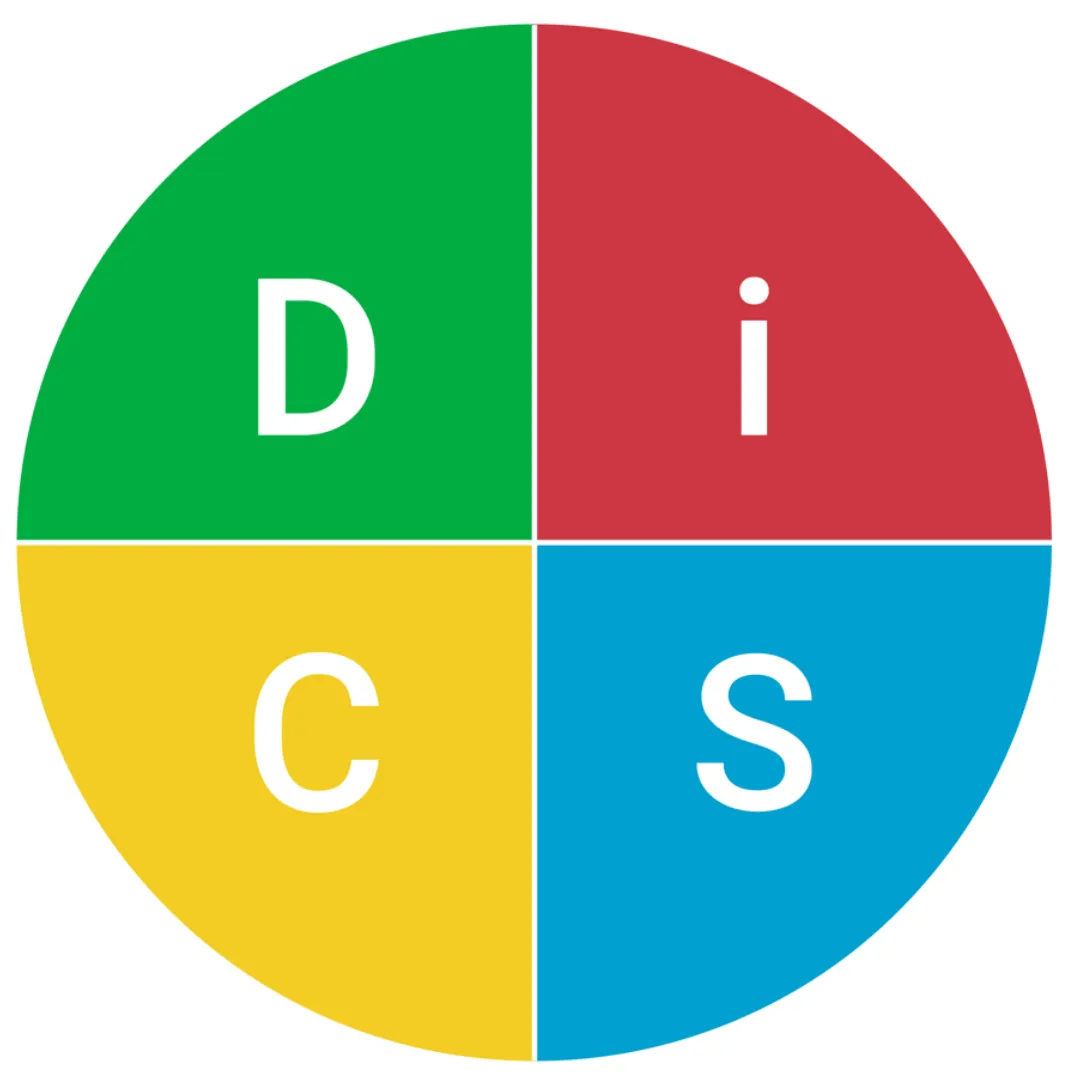
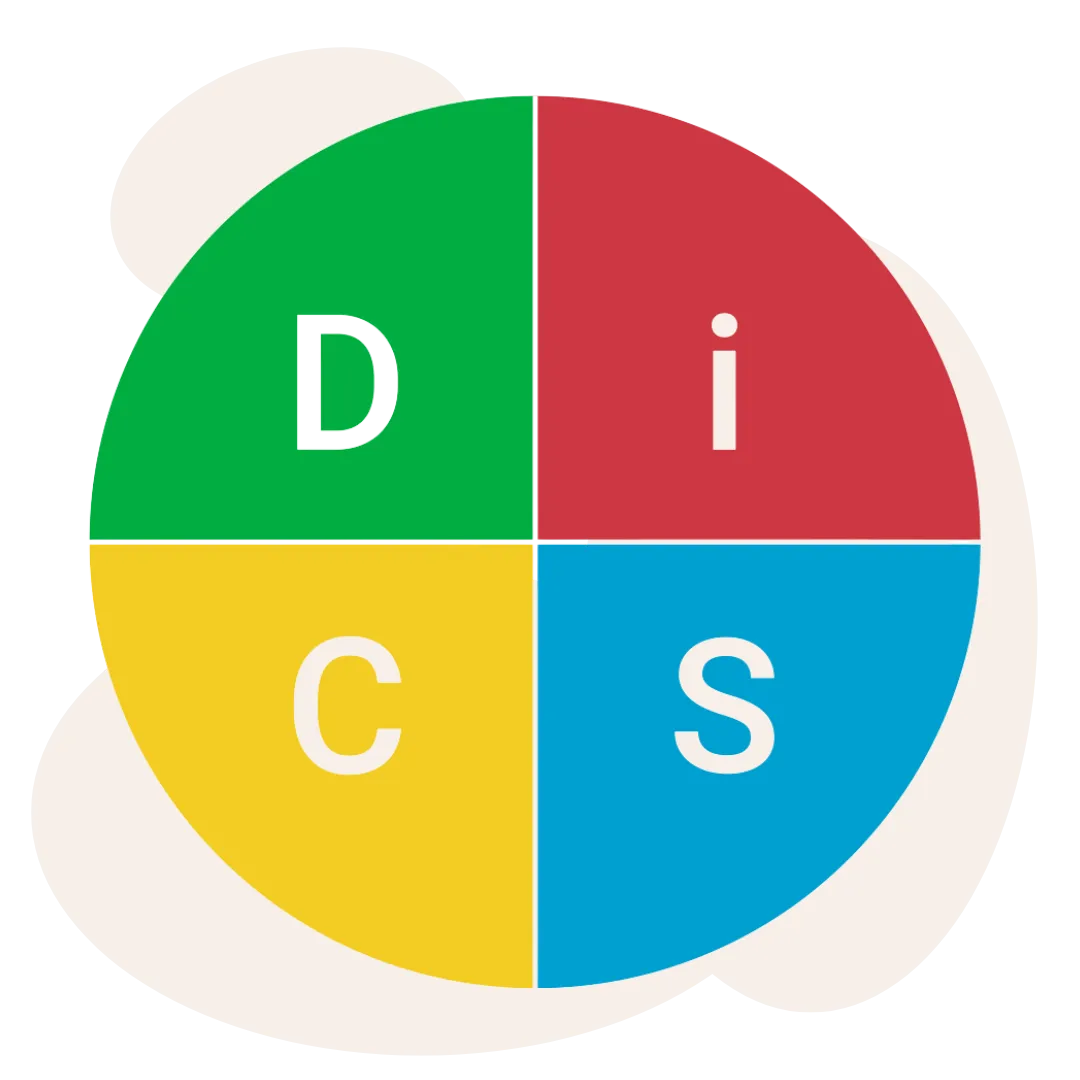
Everything DiSC for self-discovery, training, and teambuilding
PXT Select for candidate screening, position profiling, onboarding, and career pathing
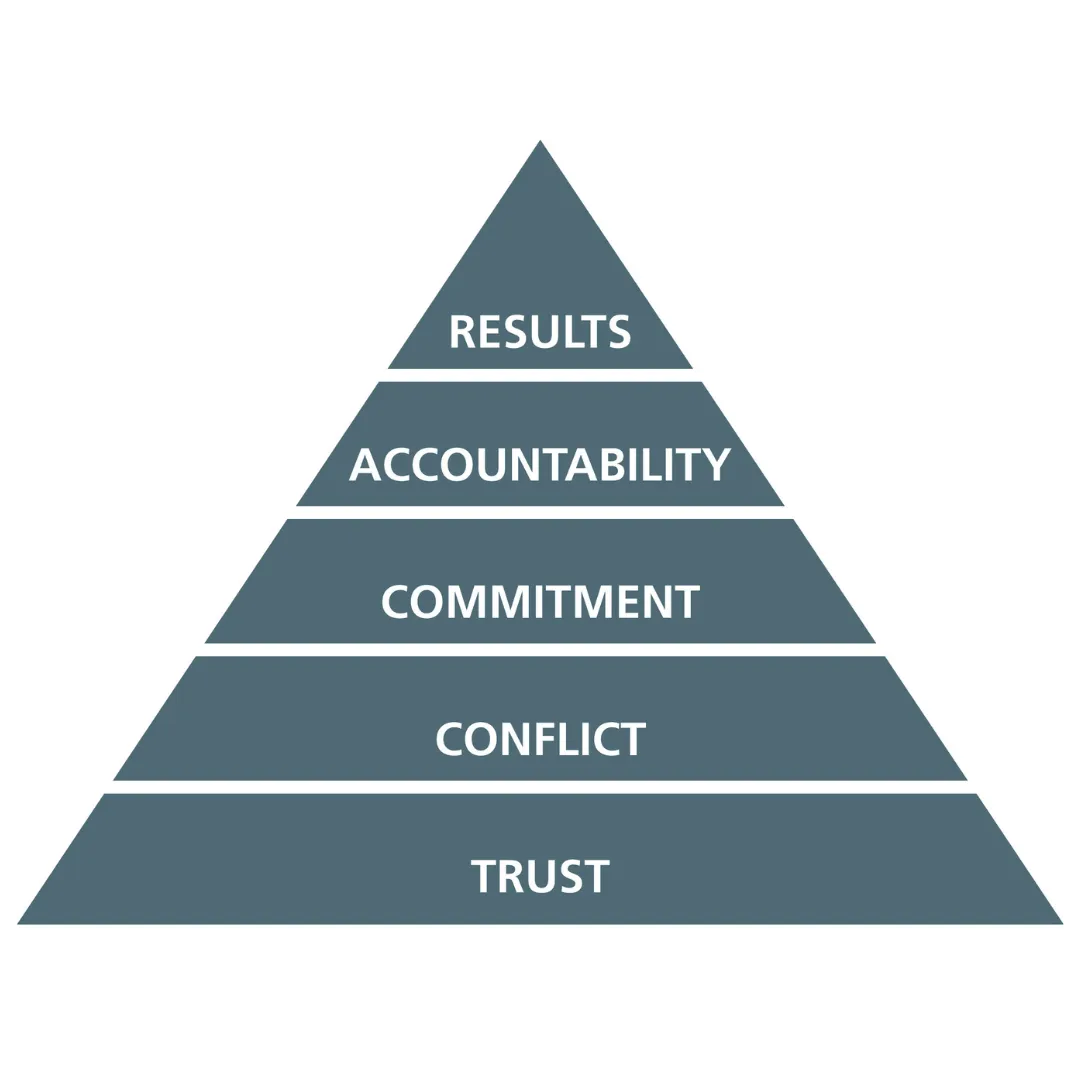
Five Behaviors of a Cohesive Team to create high performing teams
Customized 360 degree feedback to grow leaders
Leadership Development:
Implement Learning That Sticks
Whether you need a full-service partner or prefer to do-it-yourself, we'll help you build a solution that fits your goals and your budget.
Full One-on-one Coaching Engagements and Laser Coaching
Online Learning for Supervisory and Management Development
Teambuilding Sessions and Executive Retreats
Grab-N-Go Learning Kits and Facilitation Materials
Succession Planning and Talent Development Strategies

Who We Serve
The People That Make Work Work
Human Resources Professionals
Build leadership capacity, improve culture, reduce turnover, resolve conflict, create high performing teams

Learning &
Development Teams
Scale training programs, certify internal facilitators, provide engaging learning experiences, measure development impact

Managers &
Team Leaders
Understand your team, strengthen trust and teamwork, build accountability, achieve results through people

Organizations Going Through Change
Navigate mergers/acquisitions, implement new systems, manage restructuing, drive culture, engage teams
Get to Know Us
At Work Ignited, we believe in keeping things personal. That means, when you work with us, you don't get voicemails, chatbots, or layers of bureaucracy. You work directly with the people who design, deliver, and celebrate your success. Every engagement is tailored, never templated. Plus, we're backed by industry powerhouses like Wiley Publishing, Unboxed Technologies, and Paradigm Personality Labs.
You get seasoned experts and personalized service who know you, your goals, your people, and your culture inside and out.
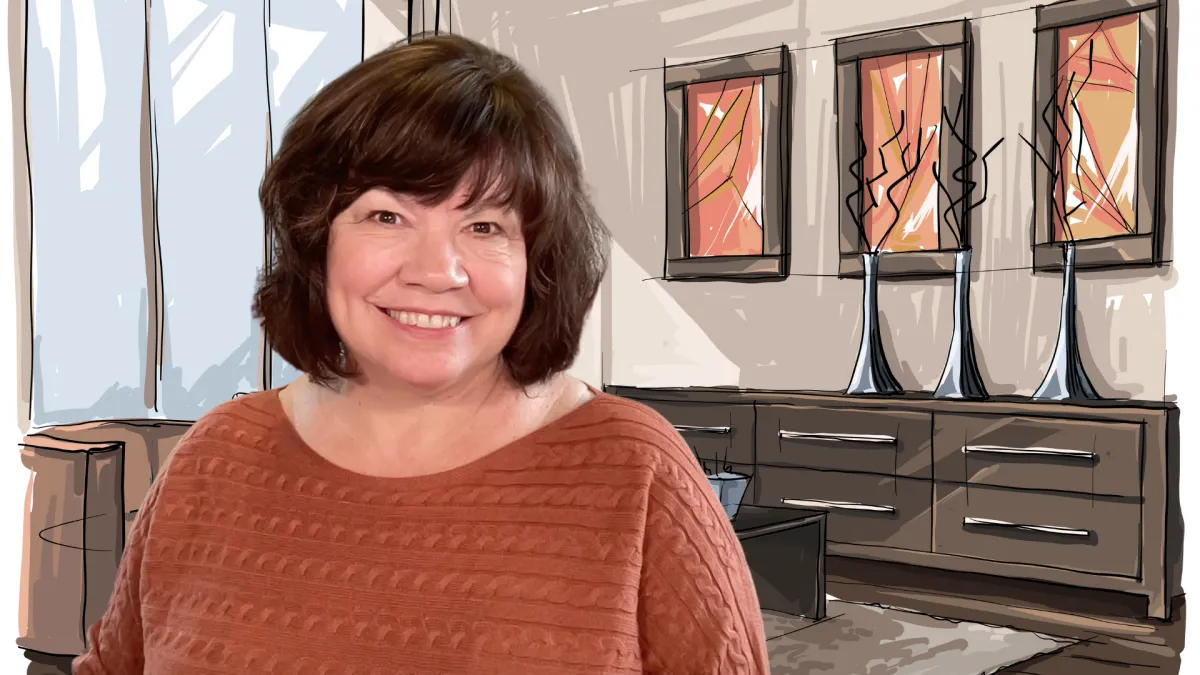
Amy Pearl
DiSC Profile: Conscientious/Dominant
Hi! I love creating strategic solutions and simple tools to help people ignite their passions, their teams, and their workplaces. I've spent the last 3 decades helping companies achieve their goals, first as a corporate gal at M&T Bank and then, serving people like you. Now, I spend my time coaching Human Resources, L&D, and business leaders to love their jobs. I'm a no-nonsense yet fun-loving coach and facilitator who loves to hiking the highest mountains and playing golf out of the deepest sand traps. I'd love to help you achieve your goals!
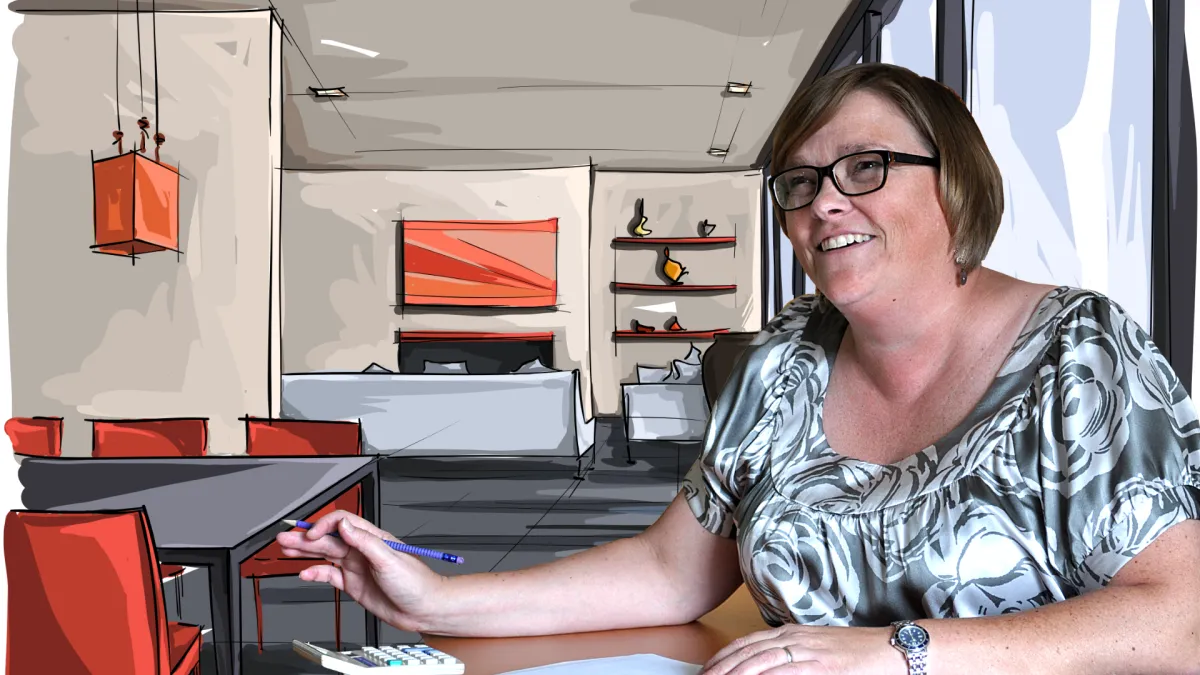
Kris Coleman
DiSC Profile: Conscientious
Hello! We might have already spoken, since I'm typically the person you speak with when you call our office, especially if I'm managing 360 degree feedback projects for your organization. It's my job to make sure our clients get the best service possible. I've had experience working in all kinds of places including an animal hospital and brewery in Buffalo, a private high school in New York City, Sugarbush Resort in Vermont, and Denali Park Resorts in Alaska. I can't wait to get to know more about your organization.
Our Approach:
You and Me Every Step of the Way
Identify Your
Strategy, Goals and
Learning Approach
We spend time with you learning about your needs, your culture, and your desired approach. Then, we'll customize full-service or do-it-yourself solutions to achieve your goals.
Choose Your Assessments and Customize Your Materials
Whether you are screening job candidates, developing your team, or assessing your leaders, we'll help you choose the assessments and customize the training materials based on your organization's mission, vision, values, and key messages.
Facilitate an
Engaging
Experience
We'll customize a leadership development program, teambuilding event, training class, or one-on-one coaching engagement that engages learners, instills habits that lead to success, and makes your job easier.
Ensure the
Learning
Sticks
Use our micro-learning modules and virtual team activities to keep the learning alive, transform your culture, and cross one thing of your list!
Our Values
When we help our clients define their core values, we tell them that these are more than just words. They are the are the beliefs and behaviors people should bring to the table and demonstrate throughout the day. So, if you're going to post the words on the wall, you better mean it and do it. We try to be role models of this philosophy every day by demonstrating these values through our work.

Respect
We care about people and build positive, trusting relationships to help other unlock their personal potential.
Inspire
We make someone say "wow" every day to improve their lives and the lives of those around them.
Innovate
We understand others' needs and use our creativity to implement solutions that work for them.
Deliver
We provide exceptional products and service. We love new adventures and never stop learning in order to be our best.
Collaborate
We create a friendly, open, and fun atmosphere that creates a bigger future for everyone.
Let's Connect
Our home base is in Buffalo, New York. Go Bills!
But the magic of Teams and Zoom allows us to service clients from around the world.
Want to chat?
Let's discuss your challenges and goals. No pressure, never a sales pitch - just an open conversation about how we can help.
Contact Us
Work Ignited
716-276-8005
8304 Main Street
Williamsville, New York 14221
Office Hours
Monday - Friday
8:30 - 5:00 Eastern Time
We'd love to hear from you!
Click the images below to achieve your goals.

Assessment
Solutions
Explore our assessments for candidate screening, development, team building, succession planning, and more.

Fabulous
Together
Give the women in your organization the coaching, confidence, and connections they need to have successful careers and a fabulous lives.

e-Learning
Made Easy
Create an amazing learning experience
whether your team is
at the office, at home, or on the go.

Lead
Ignited
Be the best leader you can be
with this award-winning
learning opportunity.

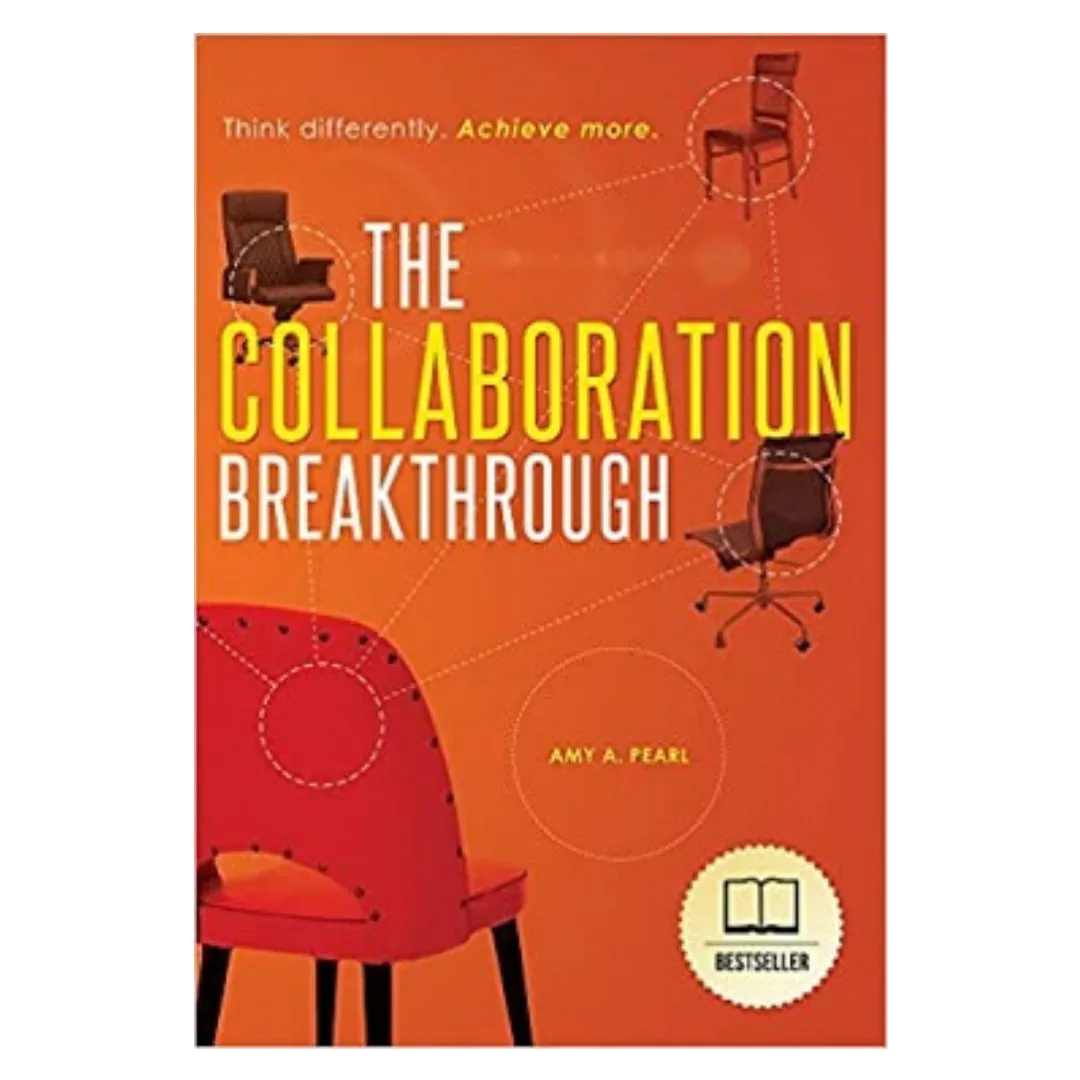
Collaboration
Breakthrough
Create a workplace you love with our best-selling book, employee survey, and interactive team experience.

Coaching
Conversations
Replace your archaic review process
with an online system to
guide GREAT conversations.
Download the Best Interview Questions
for Virtual Job Candidates
Look who's using our assessments today:



Check out our recent news and blog.

Can DiSC Help Reduce Workplace Conflict?
Quick Answer:
DiSC helps resolve workplace conflict by giving people a framework to understand why they react the way they do, what triggers their unproductive behaviors, and how to communicate more effectively with colleagues who see the world differently. Whether you use the Catalyst platform for real-time advice on handling a tense situation, the Your Colleagues comparison to take the drama out of a strained relationship, or the Everything DiSC Productive Conflict assessment to help an entire team identify and change their destructive patterns, DiSC turns conflict from something people avoid into something teams can actually use to drive innovation, productivity, and higher levels of performance.
The Problem Isn't Conflict. It's How We Handle It.
Every team has conflict. Every single one. If a team tells you they never disagree, that's not a sign of health. It's a sign of artificial harmony, that people are holding back, avoiding tough conversations, and nodding along when they should be pushing back.
Conflict itself isn't the problem. In fact, when handled well, conflict can be one of the most productive forces on a team. It surfaces better ideas, challenges assumptions, and helps teams make stronger decisions. The problem is what happens when conflict goes sideways: when people stop listening, start blaming, and default to the behaviors that feel instinctive but actually make everything worse.
My go-to unproductive conflict behavior? Sarcasm. Just ask my husband. When I feel challenged or frustrated, my first instinct is to fire off something sharp and clever instead of saying what I actually mean. It feels satisfying in the moment and accomplishes absolutely nothing productive.
I'm not alone. Everyone has a default. Some people cave in and agree just to make the tension stop. Others get aggressive and try to overpower the conversation. Some go passive-aggressive. Some stonewall. Some gossip. The Everything DiSC Productive Conflict assessment identifies 18 destructive conflict behaviors, and when learners see the full list, almost everyone finds themselves somewhere on it:
Arguing, Belittling, Caving In, Defensiveness, Dismissing Others' Opinions, Becoming Overly Dramatic, Exaggerating the Problem, Exclusion (Leaving Others Out), Finger-Pointing/Blaming/Scapegoating, Gossiping/Complaining, Becoming Hypercritical, Overpowering, Passive-Aggressive, Revenge/Looking to Even the Score, Sabotage/Introducing Obstacles, Sarcasm, Stonewalling/Becoming Non-Receptive, and Withdrawing.
Read through that list slowly and be honest with yourself. Which ones show up for you in conflict? Which ones do you see on your team? That moment of recognition is where real change begins.
How Does Everything DiSC on Catalyst Help with Everyday Conflict?
You don't need a formal conflict resolution program to start using DiSC for healthier interactions. Even the most basic Everything DiSC Profile comes with built-in tools that help you navigate tension in real time.
When you look up a colleague on Catalyst, you can access personalized tips for handling a tense situation with that specific person based on the combination of your style and theirs. This isn't generic advice like "be a good listener." It's targeted guidance for how your particular style tends to clash with theirs and what you can do differently to keep the conversation productive.
Even better, Catalyst gives you strategies for proactively building strong connections with colleagues, which prevent conflict from becoming destructive in the first place. When you invest in understanding someone's priorities, motivators, and stressors before a disagreement surfaces, you have a foundation of trust that makes it easier to navigate tough conversations when they inevitably come up.
How Does the Your Colleagues Feature Help Repair Strained Relationships?
The Your Colleagues feature on Catalyst provides a simple yet powerful comparison between two people. It shows where two learners naturally align and, more importantly, where they don't see eye to eye.
This is one of the most underrated tools on the platform, and it's especially useful when a relationship has become strained. Instead of rehashing what went wrong or assigning blame, two colleagues can pull up their comparison and have a conversation grounded in style differences rather than personal grievances. It takes the drama out of the discussion and reframes it as "here's where our styles naturally create friction" instead of "here's why you're wrong."
I've used this tool to defuse tension that had been building between colleagues for months. Once people see that their differences aren't personal, they're behavioral, it becomes so much easier to talk about how to work together more effectively.
What Is Everything DiSC Productive Conflict and How Does It Work?
Everything DiSC Productive Conflict is a dedicated assessment and learning experience designed specifically for teams that want to transform how they handle disagreement. It goes deeper than the everyday Catalyst tools by helping each person understand their natural response to conflict, recognize the automatic thoughts and feelings that get triggered when tension arises, and develop strategies for delivering healthier, more productive responses.
The framework is grounded in the principles of cognitive behavioral therapy. When conflict shows up, your brain goes through a rapid sequence: a trigger happens, automatic thoughts fire, emotions follow, and then you behave (sometimes badly). Most of us never pause to examine that sequence. We just react. Productive Conflict teaches people to recognize those automatic thoughts in the moment and reframe them before they lead to destructive behavior. Instead of defaulting to sarcasm (guilty), defensiveness, or withdrawal, you learn to step back, challenge your own assumptions about what's happening, and choose a response that actually moves the conversation forward.
Teams can use Productive Conflict to identify which of the 18 destructive behaviors show up most frequently in their group. They can also identify which behaviors bother them the most. That combination is incredibly powerful because it creates the foundation for ground rules that the team builds together based on their own data, not some generic list from a textbook.
Download a copy of the Everything DiSC Productive Conflict Profile here.
A Team Exercise You Can Use Right Now
Here's an exercise I use in team building sessions that you can adapt for your own team. It works because it uses the team's real experiences, not hypothetical scenarios.
Step 1: Collect real examples. Before the session, ask each participant to come prepared with at least two examples of real conflict on the team. One should be a situation where the conflict was handled well and led to a good outcome. The other should be a situation where the conflict either wasn't resolved or was resolved poorly.
Step 2: Explore the healthy conflict examples first. Put participants in small groups and have them share their productive conflict stories. Then ask each group to identify what those situations had in common. The patterns that emerge are usually revealing. Teams often find that their healthy conflicts shared characteristics like a common desired outcome, frequent communication, mutual respect for each other's expertise, and sometimes even a time crunch that forced them to trust each other and stay focused.
Step 3: Explore the unhealthy conflict examples. Now have the small groups share their unproductive conflict stories. Here's the interesting part: teams often discover that many of them brought the same unproductive conflict example to the session. That alone is a powerful moment of awareness, because it tells you something about the team's patterns, not just individual behaviors.
Step 4: Connect the dots. Have each group choose one of the unproductive conflict examples and compare it against the criteria they identified in Step 2. Which of the things that made their productive conflicts successful did they skip or ignore in the unproductive one? Did they lose sight of the shared outcome? Did communication break down? Did respect disappear? Was it something else? This comparison gives the team a clear, specific understanding of what went wrong and what they can do differently next time.
This exercise works beautifully on its own, and it becomes even more powerful when combined with the Everything DiSC Productive Conflict Profile, because people can connect their behaviors in those real situations to their DiSC-based conflict patterns.
Q&A: Common Questions About DiSC and Workplace Conflict
Can DiSC help if someone on the team is just a really difficult person?
Here's the thing: most "difficult" people aren't actually trying to be difficult. They're operating from their own style, their own priorities, and their own stress responses, and when those clash with yours, it can feel personal even when it isn't. DiSC doesn't excuse bad behavior, but it does give you a lens for understanding where someone's behavior might be coming from, and that understanding often changes the entire dynamic. When you stop interpreting a colleague's directness as rudeness or their need for detail as a personal critique of your work, you free up a lot of energy that can go toward actually solving the problem.
And, let's face it. You are going to cross paths with some really difficult people who do have a hidden agenda along your very long career path. The important thing to remember is to not let their bad behaviors trigger bad behaviors in you. You're smart. You can beat them at their own game if you're armed with the right information and tactics.
How do I bring up DiSC in a conflict without it feeling forced or clinical?
You don't need to say "let's look at our DiSC profiles" in the middle of an argument. The goal is to internalize the framework so it becomes part of how you think, not something you pull out like a script. When you know that your colleague has a Steadiness style and needs time to process before responding, you naturally give them space instead of pushing for an immediate answer. When you know that your Dominant-style teammate is competitive, you find ways to win together or else you're likely to lose. DiSC works best when it's invisible, when it simply changes how you show up in the conversation without either person having to name it.
Is Productive Conflict appropriate for a team that's already in crisis?
You have some options here. Productive Conflict can be a great starting point because it focuses specifically on individual behaviors and practical ideas for improvement. That said, if the team has underlying trust issues, you may want to take a deeper dive with The Five Behaviors of a Cohesive Team to address the foundation first. The Five Behaviors Profile, based on Patrick Lencioni's book, The Five Dysfunctions of a Team helps teams objectively measure their levels of trust, healthy conflict, commitment, peer-to-peer accountability, and their spirit of shared results. DiSC is built right into it, so everything connects. For teams in crisis, this might be the better way to go.
Where can I get more conflict exercises and facilitation ideas?
I have a library of conflict exercises that I've built over years of team facilitation. If you'd like to explore what might work for your team, schedule a call with me and I'll share some ideas tailored to your situation.
🔥 Download: The Everything DiSC Facilitator's Dream Kit for ready-to-use activities, conversation guides, and reinforcement tools.