






HR Assessments to hire right fit candidates,
develop leaders,
and retain your teams.
Whether you're looking for workshops, behind-the-scenes administration, or do-it-yourself solutions, we make assessments simple and cost effective for you.

Hire, Promote, and Develop Smarter
You use data to make decisions in every aspect of your organization. You should use data to make people decisions as well.
Science-backed assessments used for onboarding, training, and team building increase employee retention, speed up leadership development, create stronger teams, and transform your workplace culture, creating a positive return on investment in every area of your business. Afterall, better people decisions create better business results.
FREE DOWNLOAD:
Assessments Made Easy
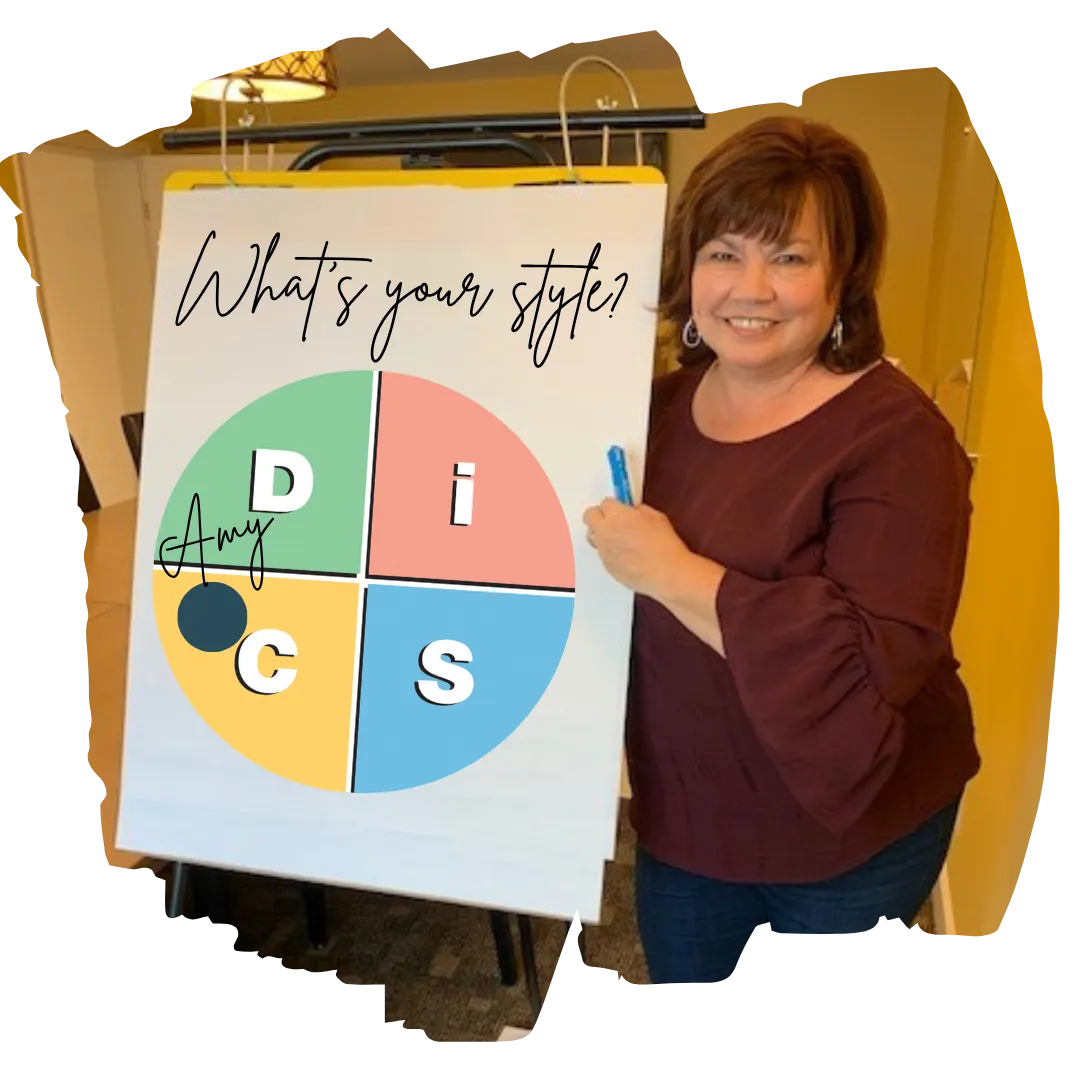
I'm Amy and I've made it my mission to take the guesswork out of assessment selection, implementation, and administration. This guide is a great place to start. You'll get instant access to:
10 questions to consider while choosing assessments for your organization
Comparisons of features and certification options
Pricing of certification programs and profiles
Suggestions to make your assessment program a success
Lots of ideas. Lots of solutions. Lots of support.
Pre-Employment Assessments for Hiring
Click the images below to achieve your goals.

Assessment
Solutions
Explore our assessments for candidate screening, development, team building, succession planning, and more.

Fabulous
Together
Give the women in your organization the coaching, confidence, and connections they need to have successful careers and a fabulous lives.

e-Learning
Made Easy
Create an amazing learning experience
whether your team is
at the office, at home, or on the go.

Lead
Ignited
Be the best leader you can be
with this award-winning
learning opportunity.

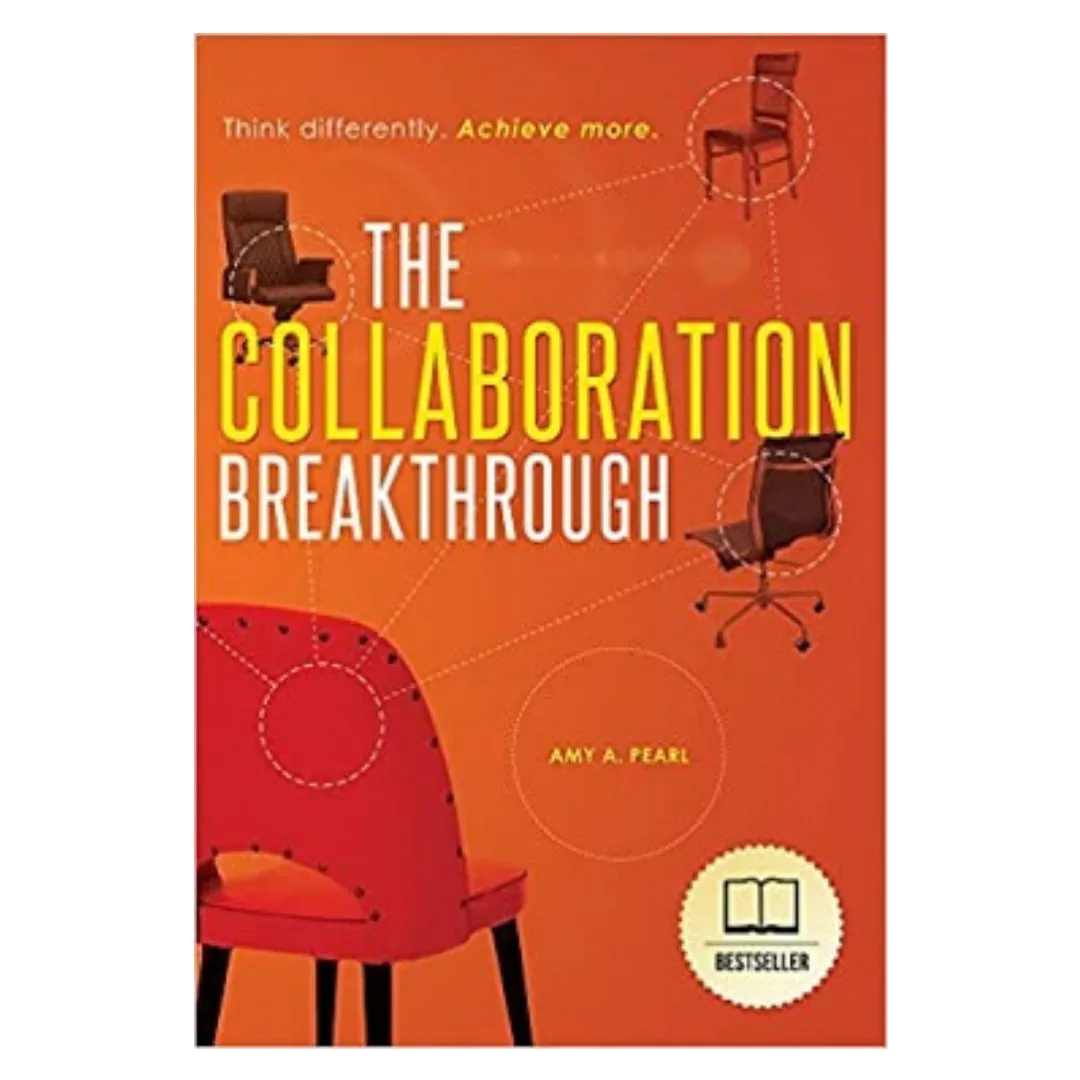
Collaboration
Breakthrough
Create a workplace you love with our best-selling book, employee survey, and interactive team experience.

Coaching
Conversations
Replace your archaic review process
with an online system to
guide GREAT conversations.
Download the Best Interview Questions
for Virtual Job Candidates
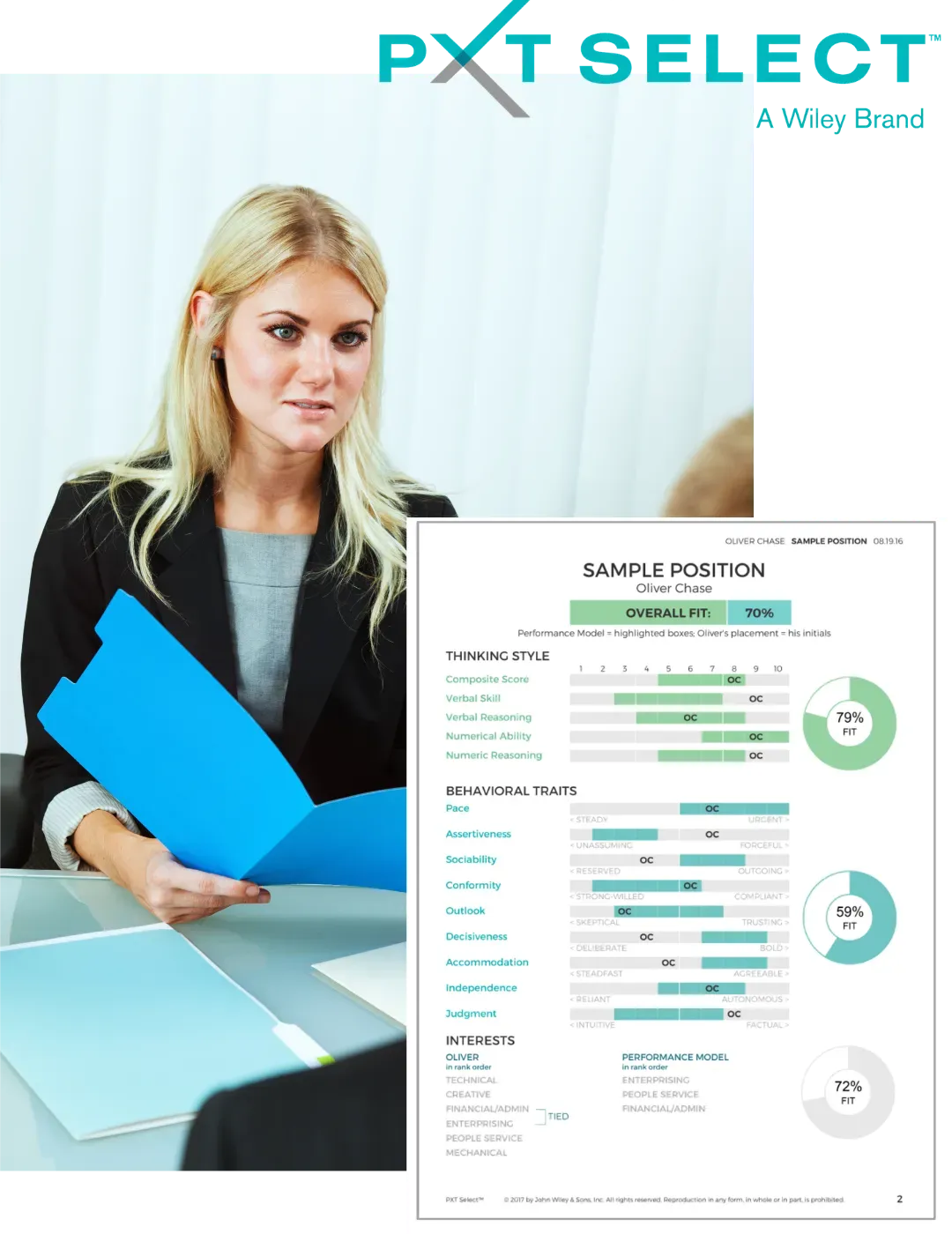
PXT Select
Reduce hiring mistakes by finding the right candidates faster with the most comprehensive candidate screening assessment on the market today. PXT Select measures thinking skills, behavioral traits, and motivational interests in one 45-minute assessment.
Perfect for HR professionals who need to:
Screen candidates faster and reduce time-to-hire with data-driven decisions
Get recommended interview questions based on candidates' fit
Give managers coaching tips to manager so new hires start strong
Identify succession candidates and support career pathways
Improve retention by hiring for cultural fit
15 free supplemental reports support job profiling, onboarding, coaching, leadership development, teambuilding, succession planning, and more.
EEOC Compliant |Valid & Reliable |30+ Years of Research
Behavioral Assessments for Leaders and Teams
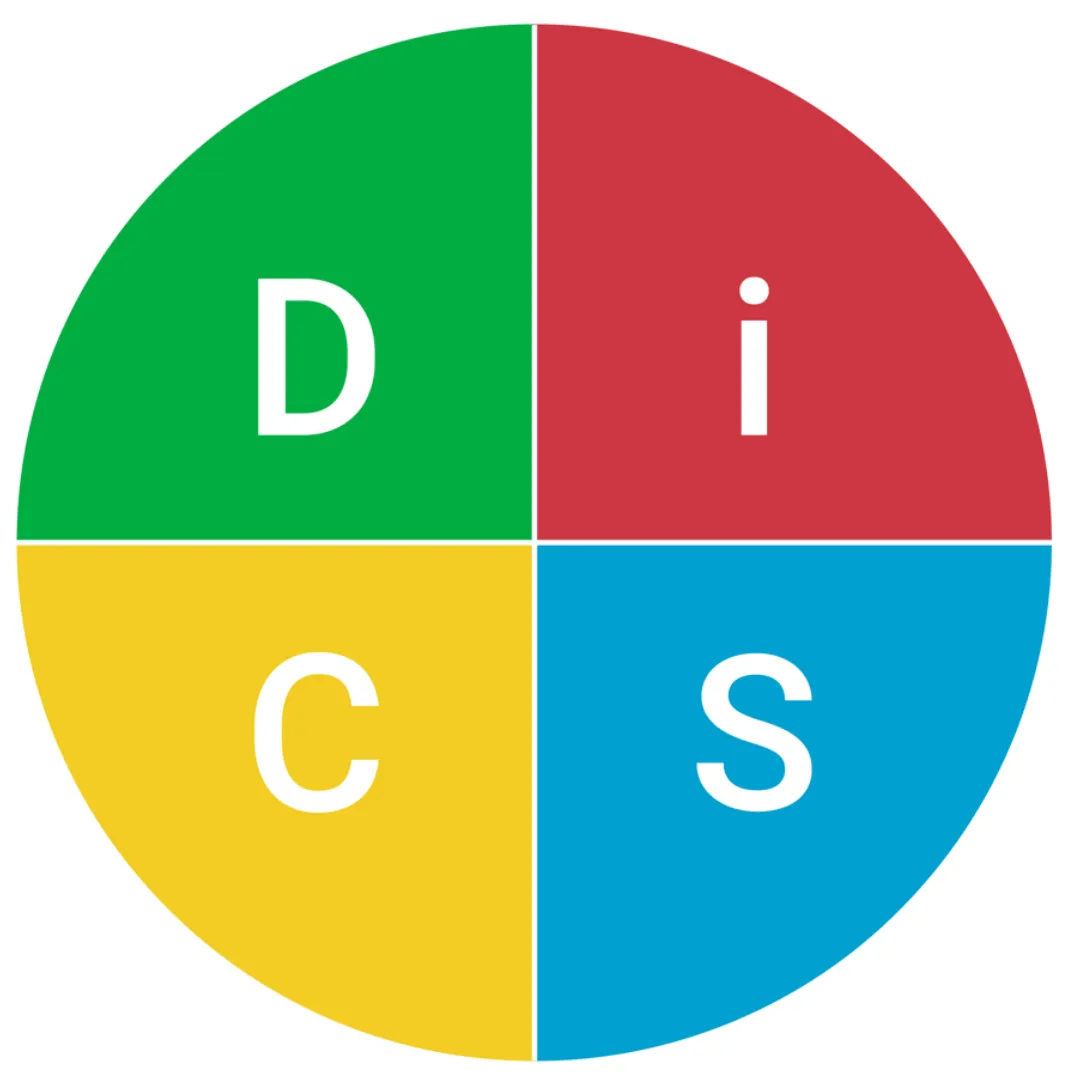
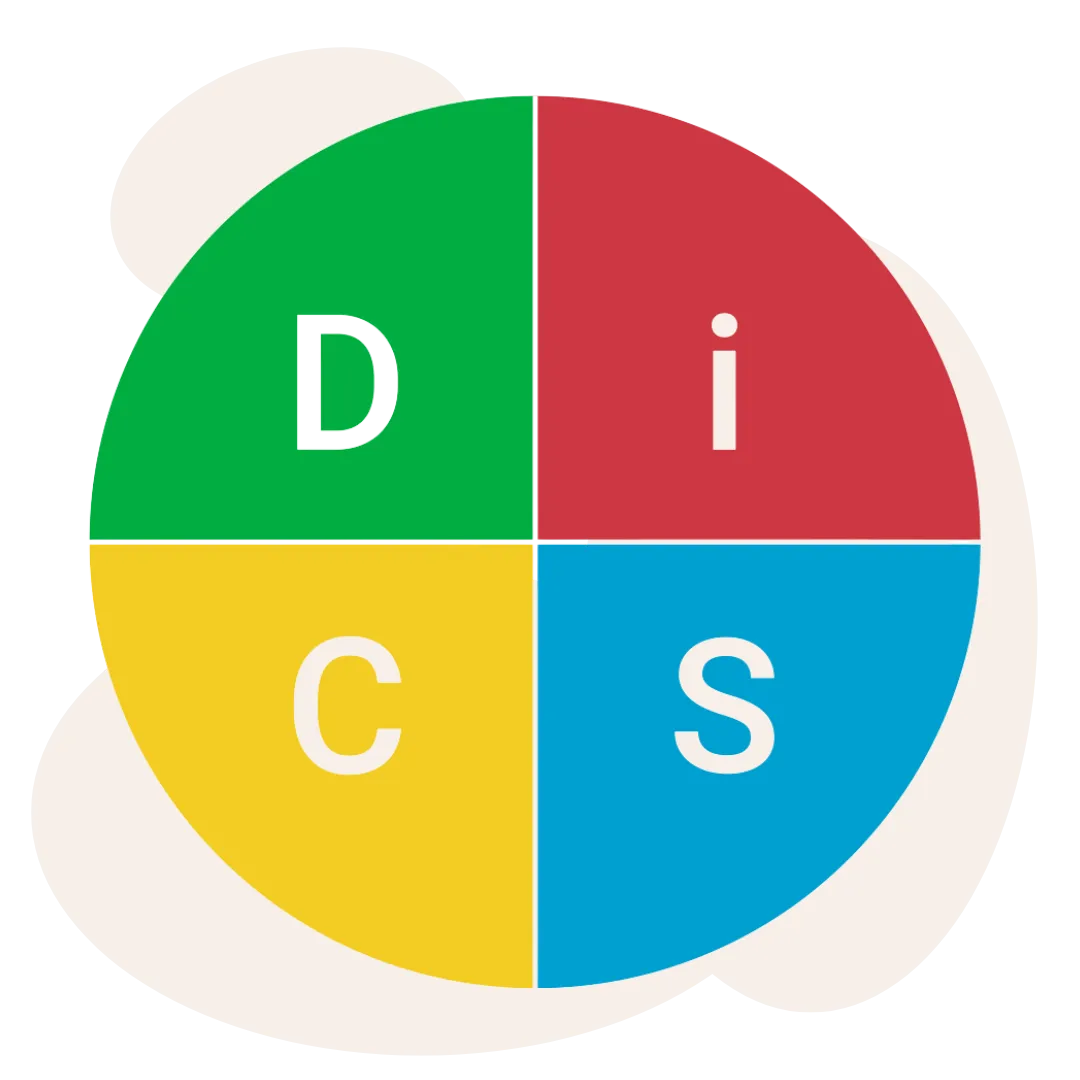
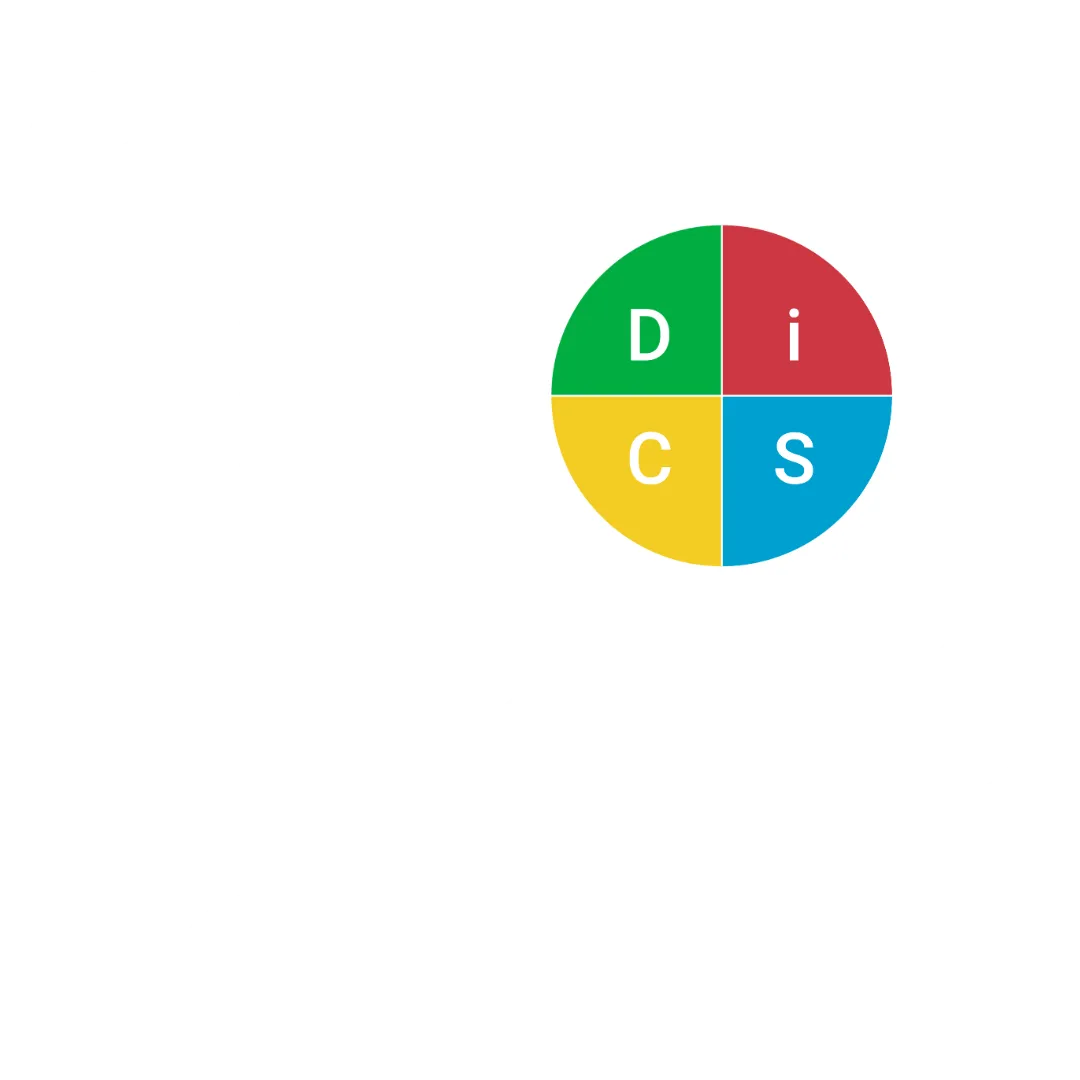
Everything DiSC
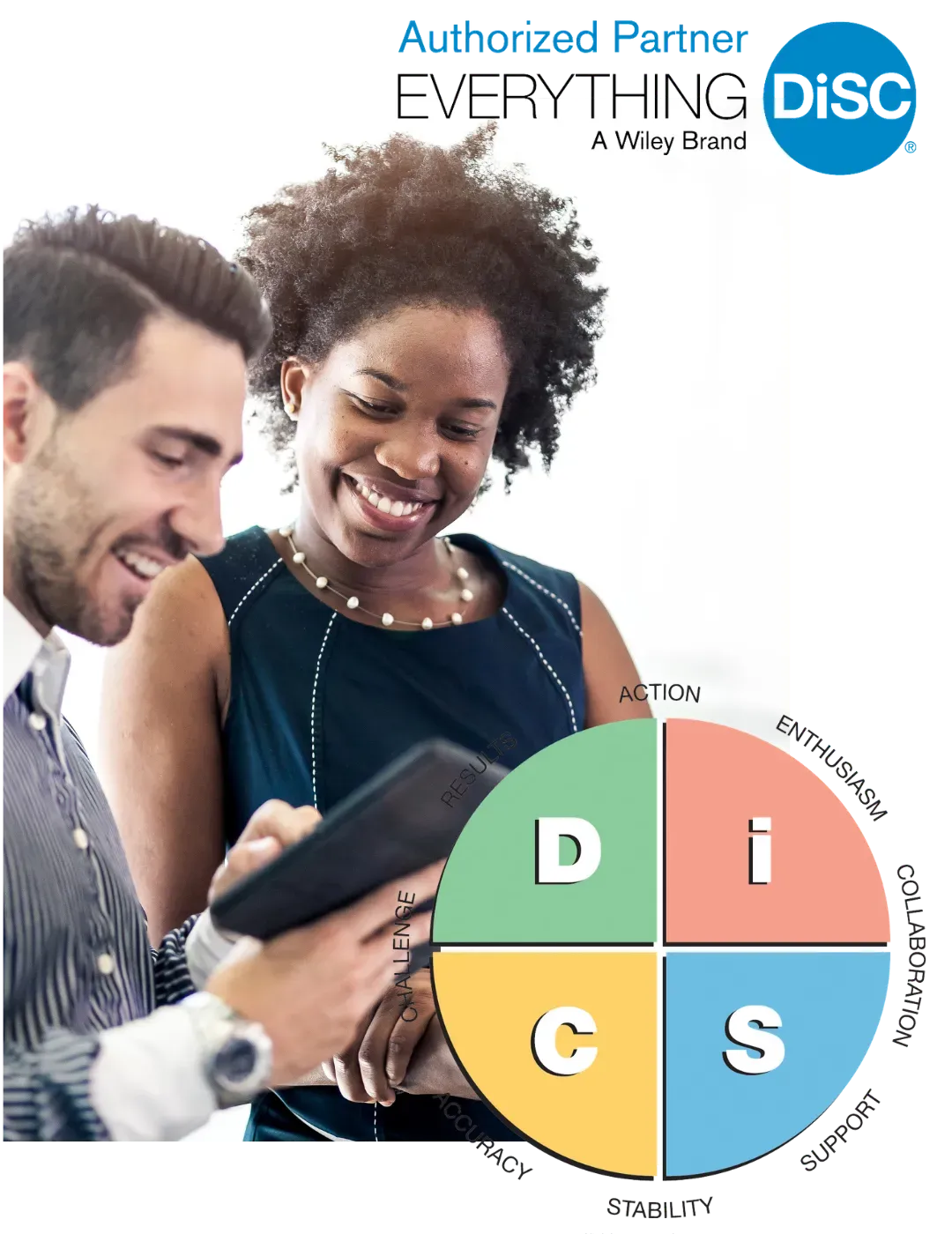
Build better communication, stronger teams, and effective leaders with Everything DiSC, the world's leading behavioral assessment used by 10+ million learners in 150,000+ organizations.
Ideal for Learning and Development professionals who need to:
Improve team communication and reduce conflict
Develop leaders at all levels
Facilitate dynamic teambuilding workshops that strengthen relationships and team effectiveness
Coach individuals to build agility and emotional intelligence
Expand their toolkit of customizable facilitator resources
Create a common language for workplace interactions
Plus, the Catalyst Platform gives learners ongoing access to dozens of micro-learning modules, the ability to create comparison and group reports with their colleagues, and to get personalized tips for effectiveness.
90% accuracy rating from learners | 40+ years of research |
Mobile-friendly for remote teams
Get Objective and Thoughtful Feedback
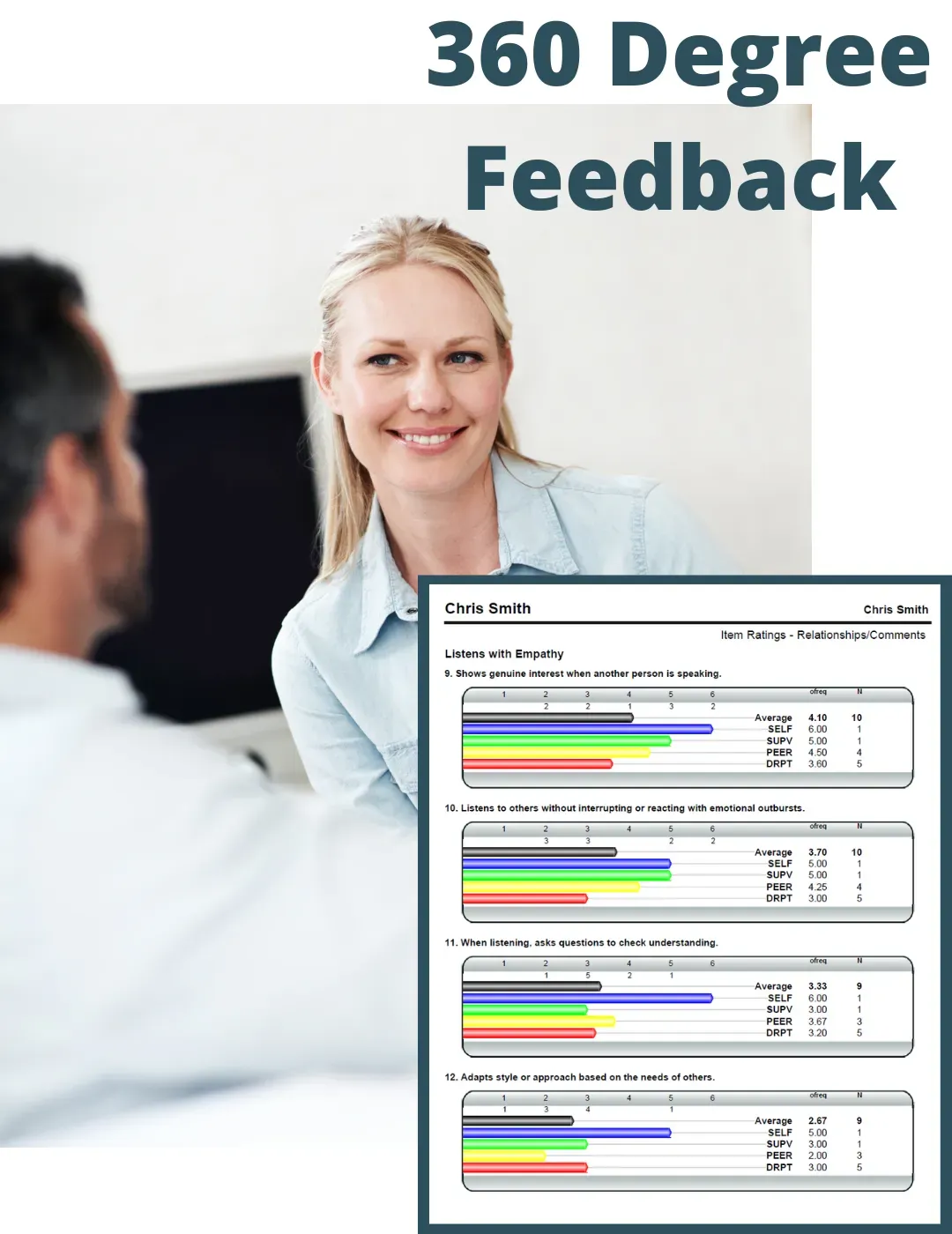
Customizable 360's
Accelerate leadership development with comprehensive feedback from managers, peers, direct reports, and others. Our customizable 360 degree feedback assessment is branded for your organization and provide actionable insights for leadership growth.
Perfect for learning and coaching professionals who need to:
Develop high potential employees
Build leaders' self-awareness of their strengths and blindspots
Add a new twist to performance review processes
Populate nine-block or other people planning templates
Measure leadership competency development over time
Your 360 will be designed to reflect your values, leadership competencies, and cultural norms. Plus, we'll develop an actionable Learn and Grow Guide to give participants' recommendations and progress tracking tools to build accountability for change.
Fully Customizable | One-on-One Debrief Services Available
Build High Performing and Collaboratie Teams
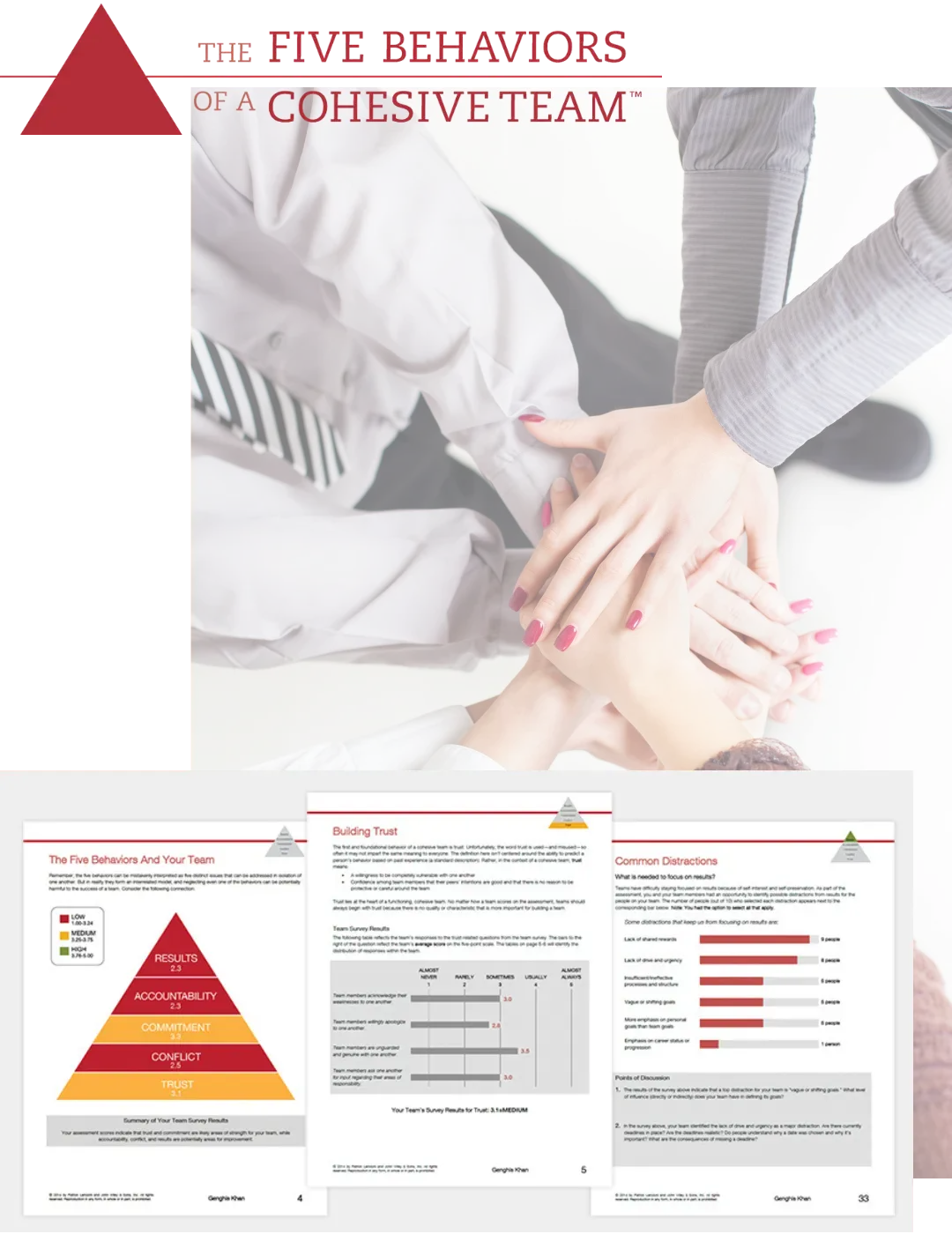
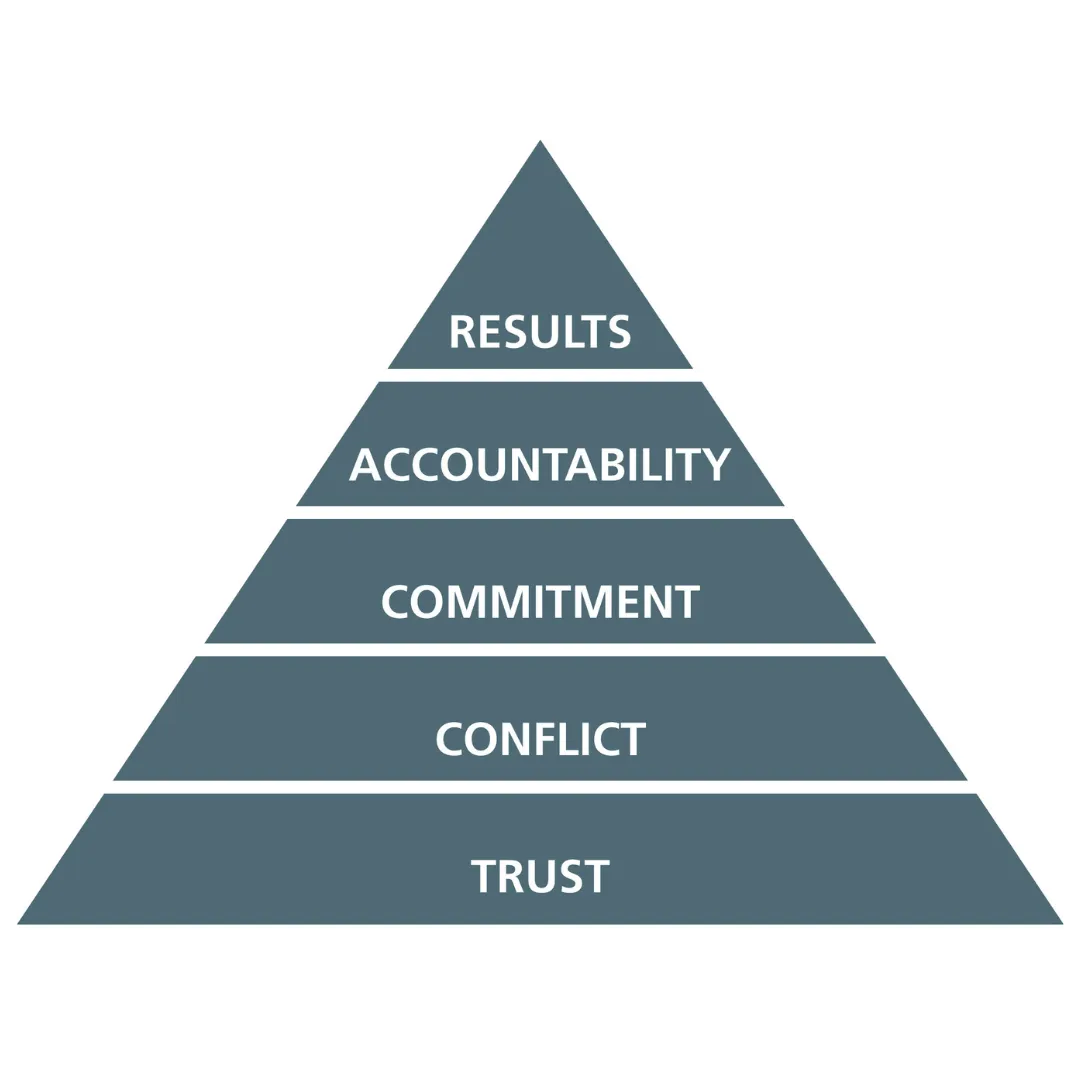
The Five Behaviors
Transform your team with Patrick Lencioni's proven framework for building trust, healthy conflict, commitment, peer-to-peer accountability, and a spirit of shared results. Based on the best selling book, The Five Dysfunctions of a Team.
Perfect for facilitators who need to:
Diagnose team dysfunction in a non-threatening way
Facilitate thought-provoking team building experiences with leader at all levels or functional teams
Improve collaboration among project teams
Build trust in newly formed or cross-functional teams
The optional integration of Everything DiSC allows team members to understand how their styles contribute to or hinder teamwork. Plus, an annotated facilitator's report gives you a page-by-page script of how to lead the team to success.
Looking for Do-It-Yourself Solutions?
Build the capacity, credibility, and confidence of your learning and development team by getting certified. We give you the training and tools you need to make the impact you desire at a cost you can afford.

Be inspired.
Take a deep dive into the research and profiles while joining a network of assessment lovers like you.
Expand your toolkit.
Get full facilitator kits with scripts, customizable PowerPoints, videos and online dashboards.

Build your expertise.
Earn continuing education credentia, while boosting your credibility and
your confidence.

Serve your team.
Make an impact on your organization. In fact, you could be the reason that people love their jobs again.
Hi there! I'm Amy Pearl.
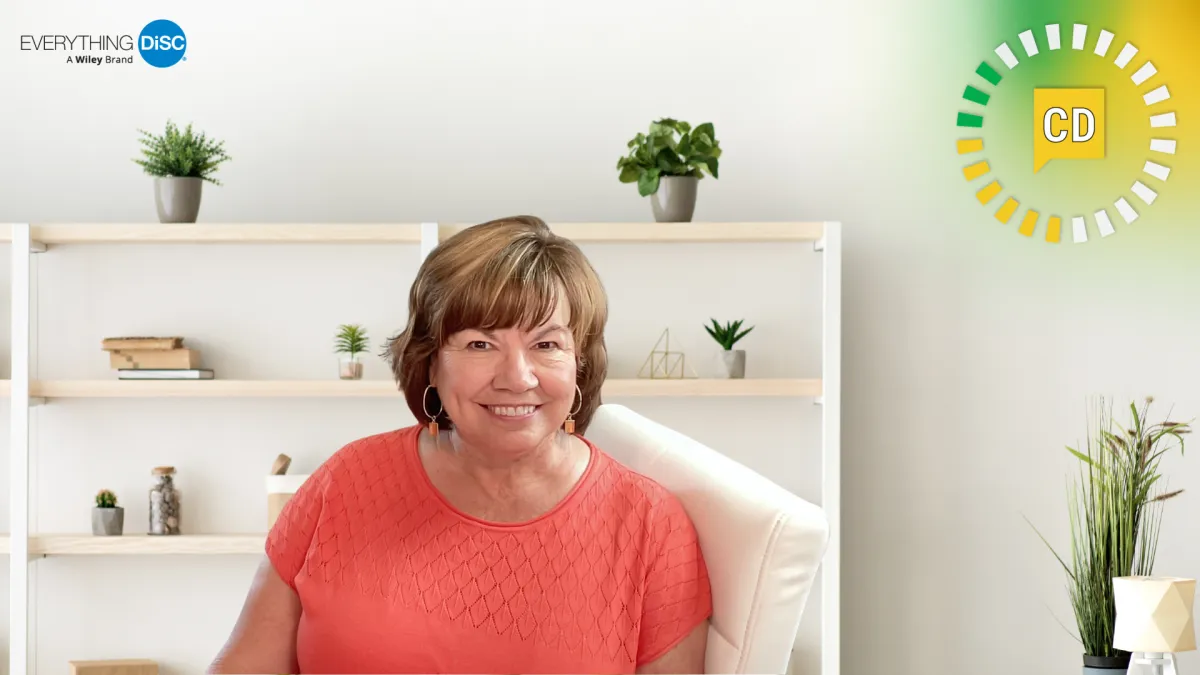
I'm so glad that you're exploring our assessment solutions. For three decades, I've used assessments in just about every imaginable application: candidate screening, leadership development, team building, training, succession planning, organizational analytics...the list goes on.
But, what I love best is working with Human Resources and L&D professionals who want to build their knowledge, toolkit, and confidence in using assessments. So, let's hop on a call to talk about your needs. No pushy sales conversations and no BS. 😉
You can see that in DiSC in am Conscientious and Dominant. So, we'll talk about your goals, weigh the pros and cons of various options, identify the best assessment for you.
I welcome the opportunity to help you thrive!
Look who's using our assessments today:




How to Get Results with Assessments:
Choose an assessment that's backed by science and research, but incredibly easy to implement.
Use the results throughout the employee experience, from candidate screening to learning to team development to career growth.
Drive performance, retention, engagement, change, and more outcomes by transforming your culture.
And don't worry. We are here to support you every step of the way!
Check out our recent news and blog.

Human Skills Are Still the Biggest Differentiators
Human Skills Are Still the Biggest Differentiators
Last month, I shared 10 Challenges Facing Today's Learning Professionals. Throughout 2026, I'll dive into each challenge and provide practical solutions like those below.
Open Communication, Emotional Intelligence, and Leadership Drive High Performance Even Among Remote Teams
As AI accelerates, work structures shift, and roles continue to blur, many organizations assume performance depends on better tools, smarter systems, or tighter processes. Those are all certainly important (especially to someone like me with a Conscientious/Dominance DiSC style), yet I am constantly reminded of the importance of the more relationship-oriented, Influence/Steadiness side of the DiSC circle.
I've been working with an executive team that dropped the ball on role clarity and expectation setting. That led to misunderstandings and the misperception that expectations were not being met. Couple that with passionate team members and the end result was catastrophic. In some situations, team members stopped communicating. In other situations, emotions flared and communication became disrespectful and unprofessional. Eventually, the lines between accountability and hostility became blurred and formal complaints were lodged - a mess that could have been avoided with more intentional communication and higher levels of emotional intelligence.
Research explains that. Recent Wiley Workplace Intelligence research reinforces what Learning & Development professionals already know from experience: teams perform best when people feel safe, understood, and clear, regardless of whether they work in an office, remotely, or somewhere in between.
Across industries, emotional intelligence, communication, and leadership remain the strongest predictors of high performance, not just engagement or culture, but real business outcomes. Despite how dramatically work has changed, the human side of work still matters most.
Psychological Safety Is a Performance Multiplier
Psychological safety continues to stand out as one of the most powerful drivers of team effectiveness. Wiley's research shows that employees who feel safe speaking up, asking questions, and challenging ideas are 31% more likely to be part of high-performing teams.
This isn’t about comfort or consensus. It’s about creating conditions where people:
Share ideas earlier
Surface risks before they escalate
Engage in productive disagreement
Take ownership instead of withdrawing
When psychological safety is missing, performance suffers quietly. People comply instead of contribute. Talent stays, but energy leaves.
Performance problems are often relational problems in disguise.
Emotional Intelligence and Leadership Still Drive Results
The research is consistent: effective leadership is a top predictor of high team performance with 90% of survey respondents citing this as key. Not far behind, is emotional intelligence with 83% citing this as important.
Leadership and emotional intelligence are deeply connected. Emotional intelligence enables leaders to:
Understand their impact
Regulate reactions under pressure
Listen without defensiveness
Navigate conflict without eroding trust
When leaders lack these skills, communication breaks down quickly, even with the best intentions. Feedback gets avoided. Meetings feel tense or unproductive. Decisions stall. Over time, trust erodes.
The good news? These are not fixed traits. They are learnable, coachable, measurable skills.
The Remote Work Insight Leaders Often Miss
I'm seeing more and more organizations demanding 3, 4, and 5 days of in-office work. I get it - I grew up in the 100% in office days when a jeans day was the only way to let loose. I appreciate the natural camaraderie that builds, the informal learning that takes place, and the visibility for those looking to be promoted that happens when everyone is sitting near each other. But, it's a new day.
One of the findings from the research challenges a long-held belief: while 26% of survey respondents feel remote work hurts performance, 85% of remote workers report being part of high-performing teams.
This doesn’t mean remote work is inherently superior. It means performance depends more on how people communicate and collaborate regardless of where they sit.
Remote teams often succeed because they are forced to:
Be clear, focused, and structured in communication
Document decisions
Focus on outcomes rather than visibility
Build trust more intentionally
In other words, remote work exposes weak human skills and rewards strong ones.
What Happens When Emotional Intelligence and Communication Are Weak
When organizations underinvest in human skills, familiar issues appear:
Meetings drain energy instead of creating alignment
Misunderstandings turn into conflict
Feedback feels risky or personal
Decisions are challenged or revisited repeatedly
High performers disengage quietly
L&D is often asked to solve these problems with more team building, but the real need is psychological safety, clear ground rules, shared expectations, disciplined practice, and ongoing reinforcement.
6 Practical Ways to Strengthen Psychological Safety, Emotional Intelligence, and Communication
The goal isn’t to add more programs. It’s to embed human skills into everyday work so they become habits, not events.
1. Anchor Human Skills to Existing Rhythms
Instead of standalone workshops, integrate communication and emotional intelligence discussions into:
Team meetings
One-on-ones coaching conversations
Project kickoffs and debriefs
Simple, repeatable questions can change behavior over time:
What helped us work well together this week? What got in the way?
Get my Team Retrospectives Grab-n-Go Learning Kit with 16 posters for evaluating teamwork, problem solving, and initiative planning.
Consistency matters more than complexity.
2. Build a Shared Language for Behavior
Assessments like Everything DiSC Workplace give teams a neutral, practical language to discuss communication styles, stress responses, and adaptability.
Use it to build shared language that reduces defensiveness and helps teams talk about behavior without making it personal. If you're a Catalyst user, check out Your Groups -> Conversation Starters for free 15-minute teambuilding activities you can integrate into your next team meeting.
3. Normalize Short, Frequent Feedback
Psychological safety grows through regular, low-stakes conversations, not annual reviews.
Encourage managers to use brief check-ins focused on:
What’s working
What’s unclear
What support is needed
Frequent clarity touchpoints prevent unnecessary stress and misalignment.
4. Teach Leaders to Adapt, Not Default
Emotionally intelligent leaders don’t rely on one approach. They adapt based on context, people, and pressure.
Agile EQ™ helps leaders explore eight mindsets they need for success and teaches them to expand their range so they can respond intentionally rather than reactively, especially during change, conflict, and stressful situations. In fact, you can check out my blog post: How to Coach Leaders to Adapt in Stressful Situations to get the full scoop.
5. Establish Ground Rules
We set goals for the work that needs to be done. That's how we get results in the short-term. But, what about the long-term? For that, we need ground rules for how the team works together regardless of the task at hand.
Use current projects, decisions, or tensions as learning moments rather than hypothetical examples to create behavioral expectations: What went well that we need to repeat? What went poorly that we need to fix? In the future, how will we communicate, solve problems, and make decisions as a team?
Relevance and action planning drives the right behaviors.
6. Run an “Assumptions vs. Reality” Reset (Remote-Friendly)
Remote and hybrid teams are especially vulnerable to miscommunication because context is limited and assumptions fill the gaps.
This simple activity helps teams surface hidden assumptions and strengthen clarity.
How it works:
Step 1: Individual Reflection (5 minutes)
Ask each team member to privately answer these prompts about a current project or recurring workflow:
One assumption I think others are making about my role or availability is…
One assumption I’ve made about someone else’s role, priorities, or constraints is…
One thing I wish others understood about how I do my work is…
Step 2: Small Group Sharing (10–15 minutes)
In breakout rooms of 3–4, participants share:
One assumption they had that turned out to be wrong
One clarification that would make collaboration easier
Step 3: Team Debrief (10 minutes)
Bring the full group back and ask:
What assumptions showed up most often?
Where are we relying on “mind-reading” instead of clarity?
What’s one communication norm we should adopt to reduce assumptions going forward?(Individuals reflect on assumptions they’ve made or believe others are making)
Small groups share one assumption and one needed clarification
The team agrees on one communication norm to reduce assumptions going forward
Common outcomes include norms like:
“If it’s urgent, we say so explicitly.”
“Decisions live in writing, not just meetings.”
“We ask before we assume.”
This builds psychological safety, emotional intelligence, and communication by encouraging brief perspective-sharing without judgment. It builds awareness of impact, not intent. It reinforces psychological safety by normalizing clarification. And, it strengths trust without forcing vulnerability.
You can even keep it simple by running a 10-minute version each month by using just one question: What's one assumption we should clear up before it becomes a problem?
That's where the real power is...small, consistent resets.
Why This Matters for Learning & Development
Human skills are not a “nice to have.” They are the infrastructure of performance.
As work continues to evolve, L&D professionals are uniquely positioned to influence how leaders lead, how teams communicate, and how safe people feel contributing their best thinking.
This isn’t about doing more. It’s about focusing on what actually moves the needle.
Human skills are timeless and right now, they are more critical than ever.
The tools will change.
The technology will evolve.
Human skills will continue to separate good teams from great ones.