




HR Assessments to hire right fit candidates,
develop leaders,
and retain your teams.
Whether you're looking for workshops, behind-the-scenes administration, or do-it-yourself solutions, we make assessments simple and cost effective for you.

Hire, Promote, and Develop Smarter
You use data to make decisions in every aspect of your organization. You should use data to make people decisions as well.
Science-backed assessments used for onboarding, training, and team building increase employee retention, speed up leadership development, create stronger teams, and transform your workplace culture, creating a positive return on investment in every area of your business. Afterall, better people decisions create better business results.
FREE DOWNLOAD:
Assessments Made Easy
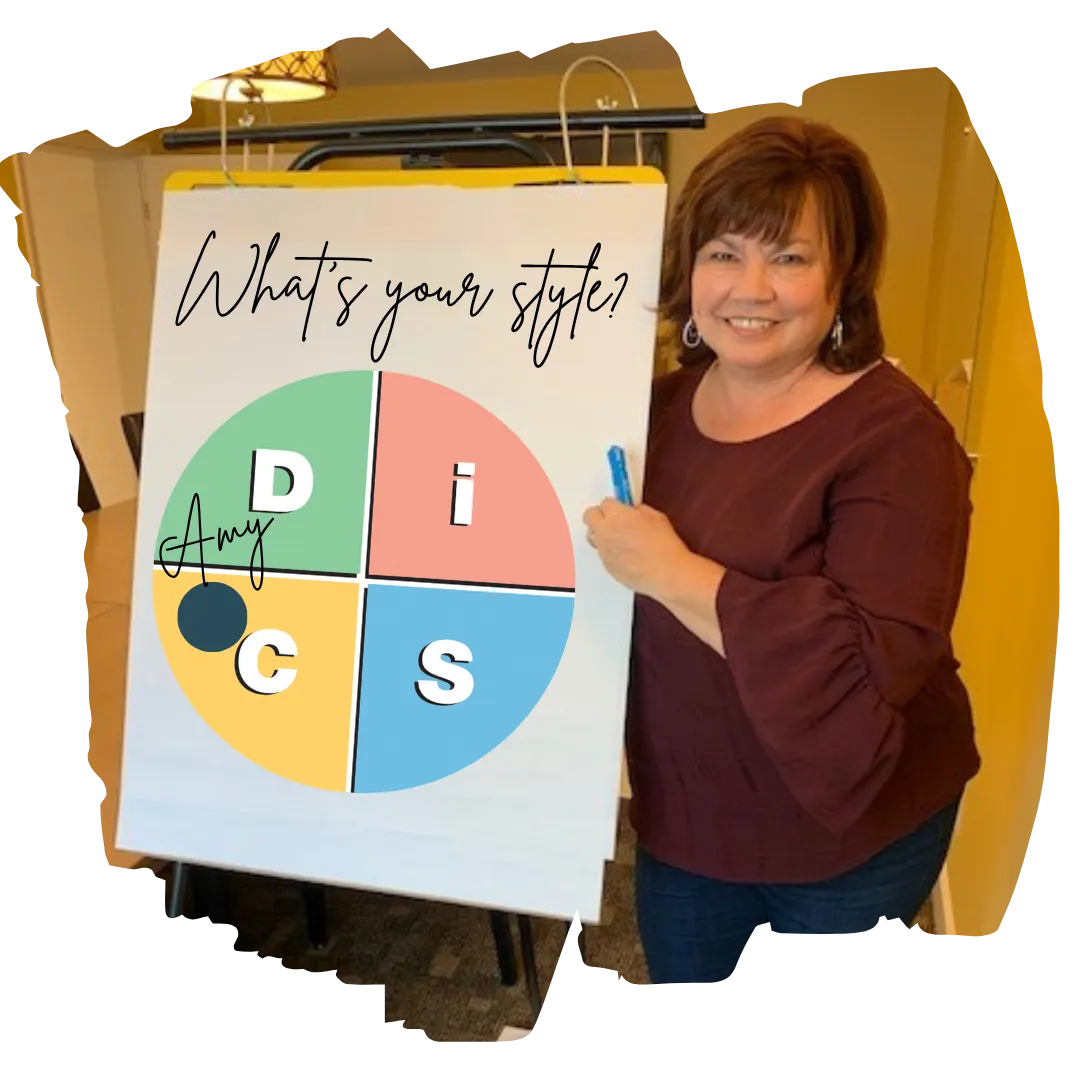
I'm Amy and I've made it my mission to take the guesswork out of assessment selection, implementation, and administration. This guide is a great place to start. You'll get instant access to:
10 questions to consider while choosing assessments for your organization
Comparisons of features and certification options
Pricing of certification programs and profiles
Suggestions to make your assessment program a success
Lots of ideas. Lots of solutions. Lots of support.
Pre-Employment Assessments for Hiring
Click the images below to achieve your goals.

Assessment
Solutions
Explore our assessments for candidate screening, development, team building, succession planning, and more.

Fabulous
Together
Give the women in your organization the coaching, confidence, and connections they need to have successful careers and a fabulous lives.

e-Learning
Made Easy
Create an amazing learning experience
whether your team is
at the office, at home, or on the go.

Lead
Ignited
Be the best leader you can be
with this award-winning
learning opportunity.

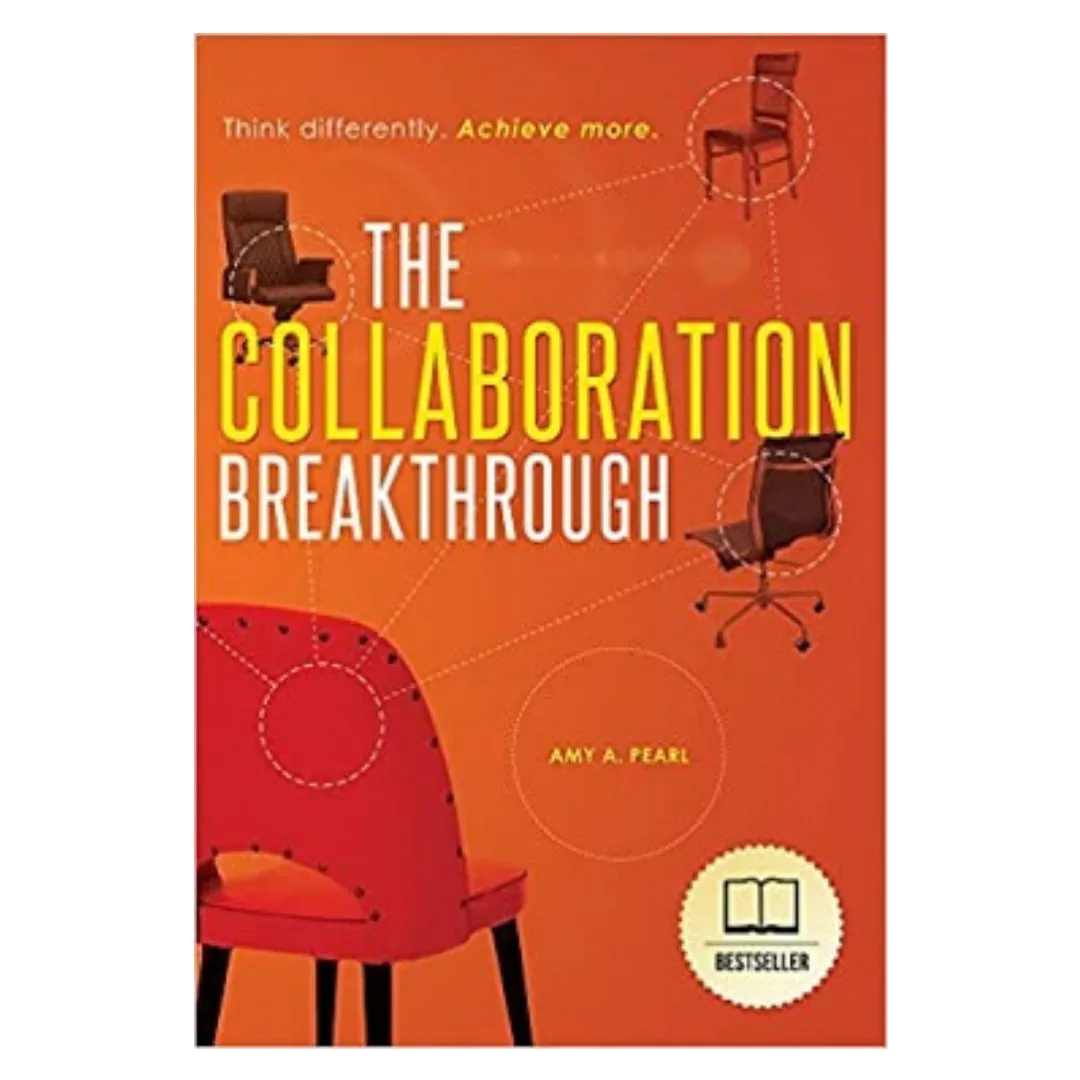
Collaboration
Breakthrough
Create a workplace you love with our best-selling book, employee survey, and interactive team experience.

Coaching
Conversations
Replace your archaic review process
with an online system to
guide GREAT conversations.
Download the Best Interview Questions
for Virtual Job Candidates
PXT Select
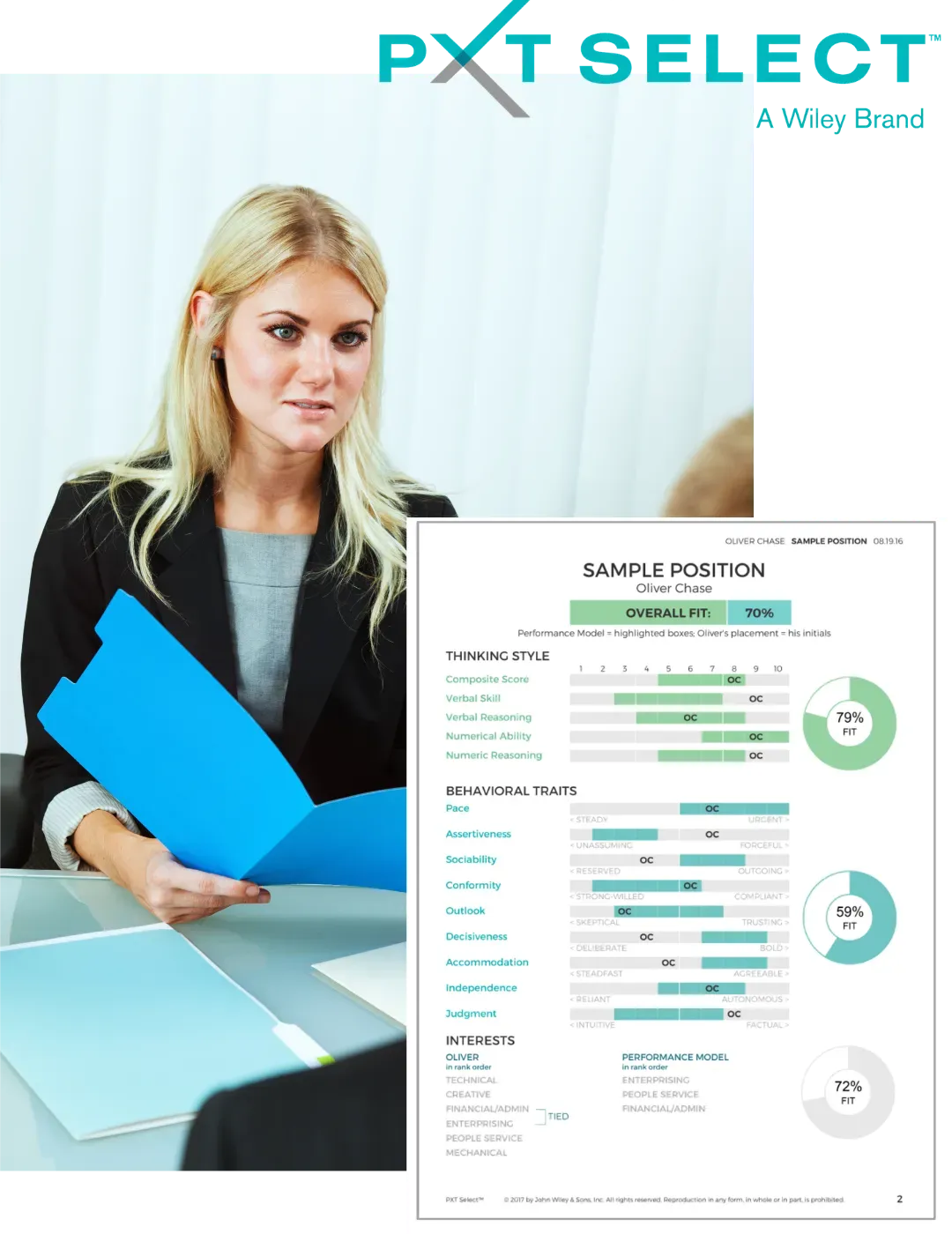
Reduce hiring mistakes by finding the right candidates faster with the most comprehensive candidate screening assessment on the market today. PXT Select measures thinking skills, behavioral traits, and motivational interests in one 45-minute assessment.
Perfect for HR professionals who need to:
Screen candidates faster and reduce time-to-hire with data-driven decisions
Get recommended interview questions based on candidates' fit
Give managers coaching tips to manager so new hires start strong
Identify succession candidates and support career pathways
Improve retention by hiring for cultural fit
15 free supplemental reports support job profiling, onboarding, coaching, leadership development, teambuilding, succession planning, and more.
EEOC Compliant |Valid & Reliable |30+ Years of Research
Behavioral Assessments for Leaders and Teams
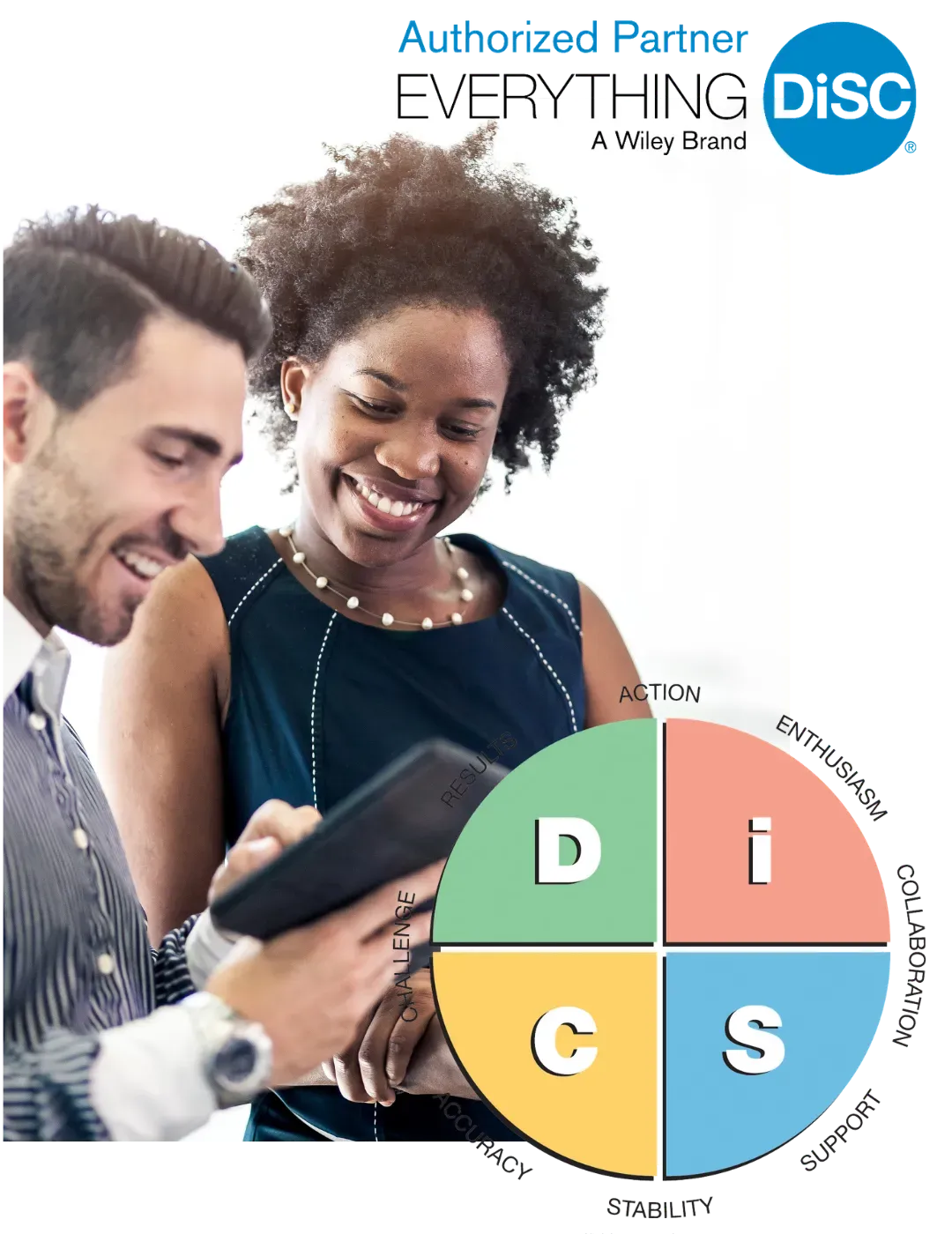
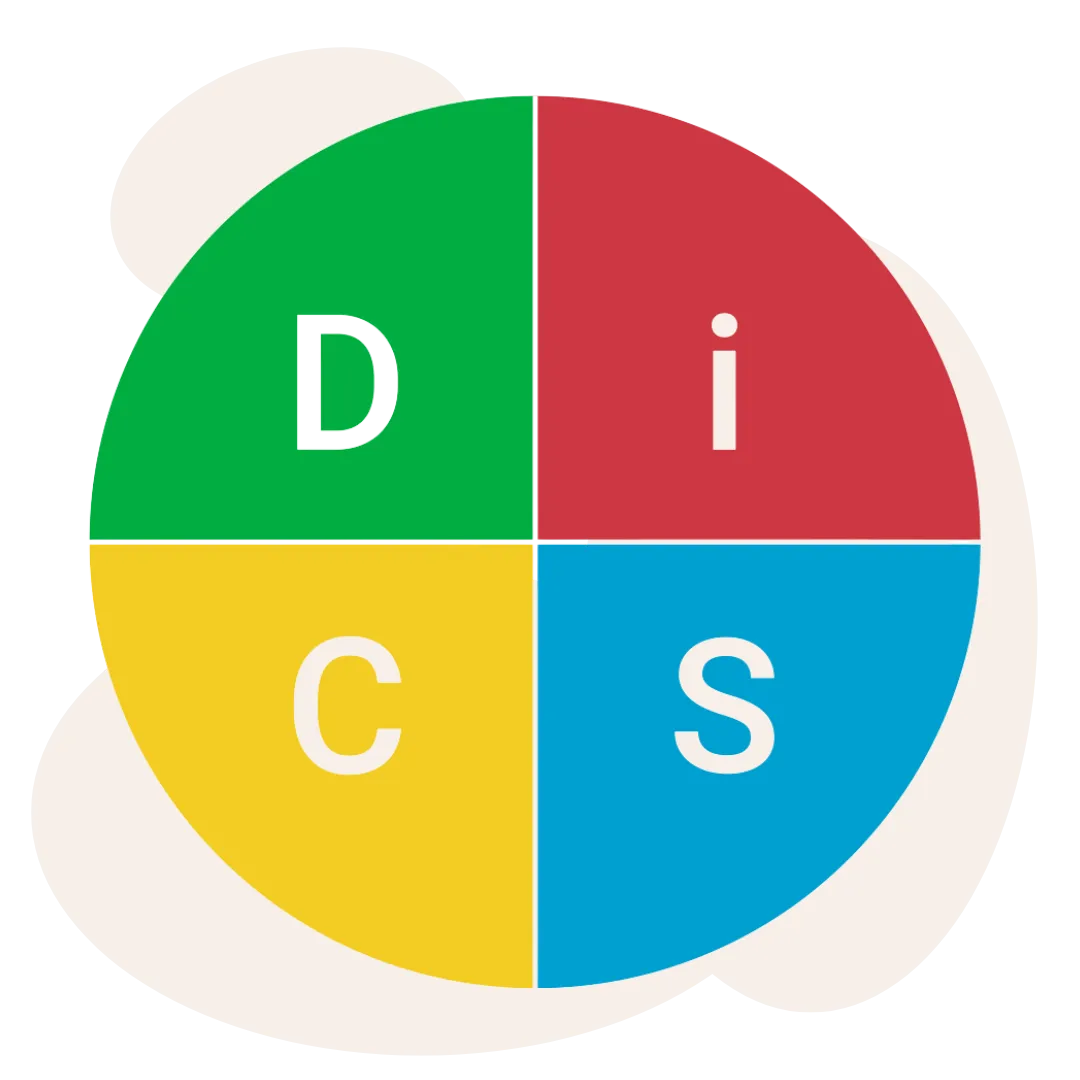
Everything DiSC
Build better communication, stronger teams, and effective leaders with Everything DiSC, the world's leading behavioral assessment used by 10+ million learners in 150,000+ organizations.
Ideal for Learning and Development professionals who need to:
Improve team communication and reduce conflict
Develop leaders at all levels
Facilitate dynamic teambuilding workshops that strengthen relationships and team effectiveness
Coach individuals to build agility and emotional intelligence
Expand their toolkit of customizable facilitator resources
Create a common language for workplace interactions
Plus, the Catalyst Platform gives learners ongoing access to dozens of micro-learning modules, the ability to create comparison and group reports with their colleagues, and to get personalized tips for effectiveness.
90% accuracy rating from learners | 40+ years of research |
Mobile-friendly for remote teams
Get Objective and Thoughtful Feedback
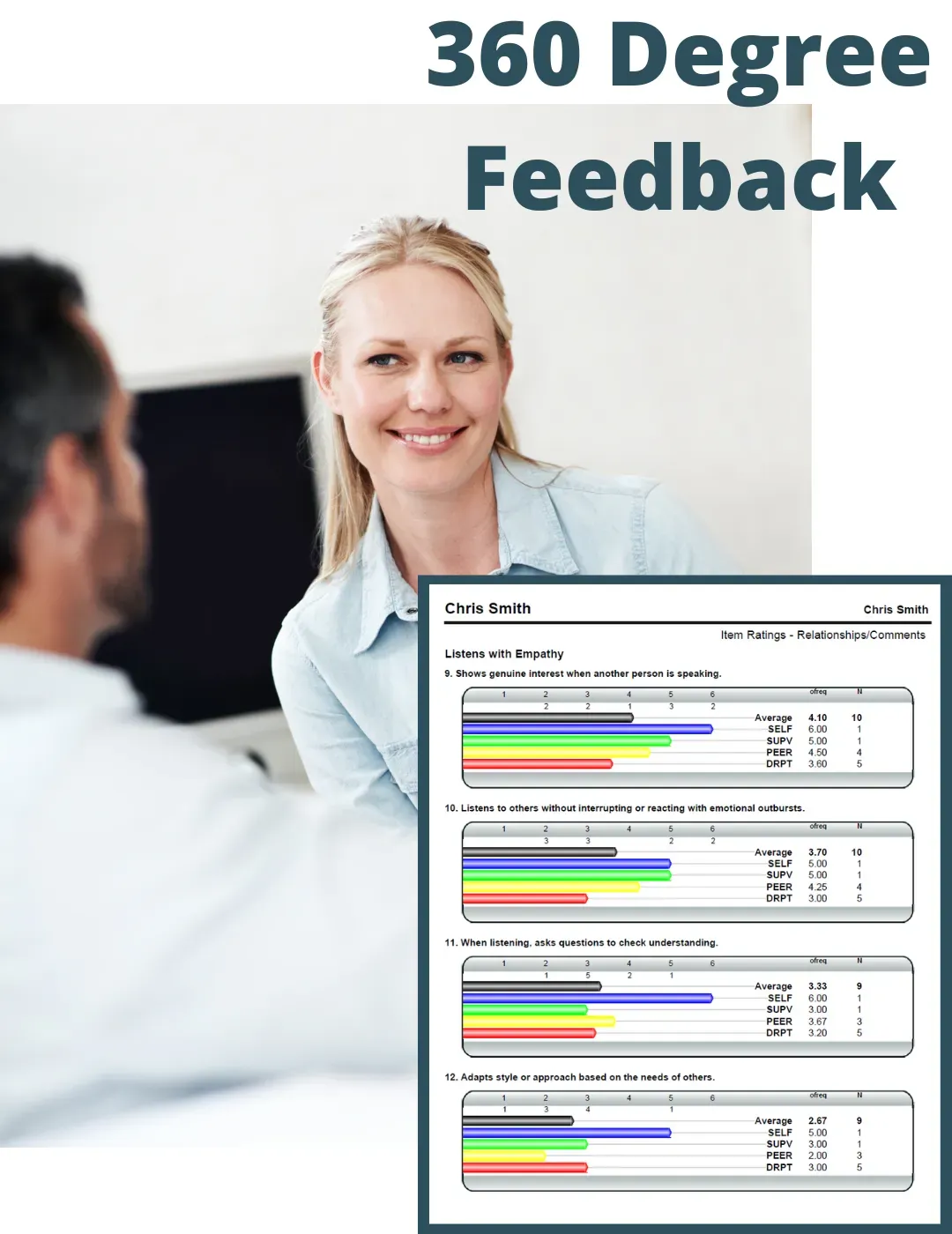
Customizable 360's
Accelerate leadership development with comprehensive feedback from managers, peers, direct reports, and others. Our customizable 360 degree feedback assessment is branded for your organization and provide actionable insights for leadership growth.
Perfect for learning and coaching professionals who need to:
Develop high potential employees
Build leaders' self-awareness of their strengths and blindspots
Add a new twist to performance review processes
Populate nine-block or other people planning templates
Measure leadership competency development over time
Your 360 will be designed to reflect your values, leadership competencies, and cultural norms. Plus, we'll develop an actionable Learn and Grow Guide to give participants' recommendations and progress tracking tools to build accountability for change.
Fully Customizable | One-on-One Debrief Services Available
Build High Performing and Collaboratie Teams
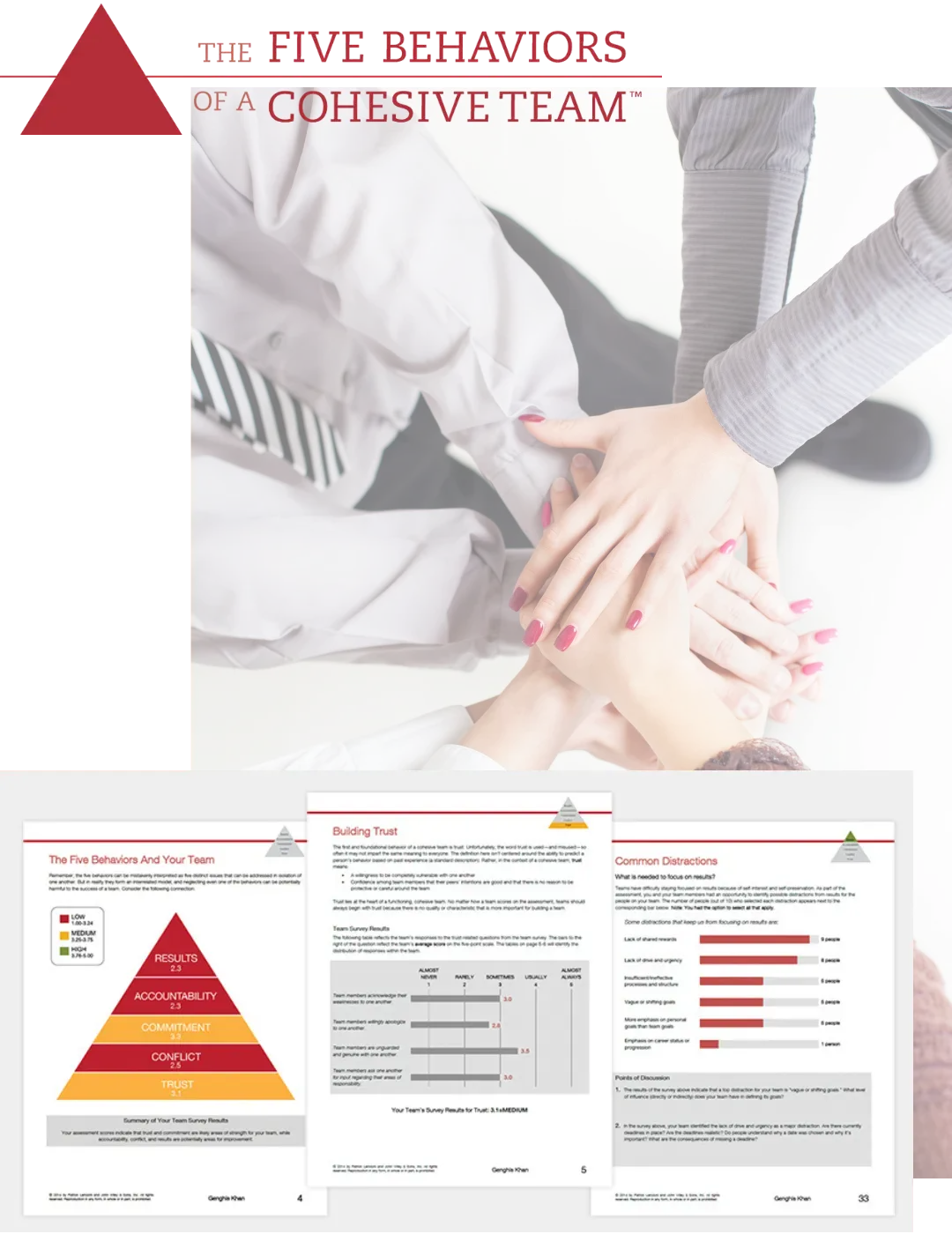
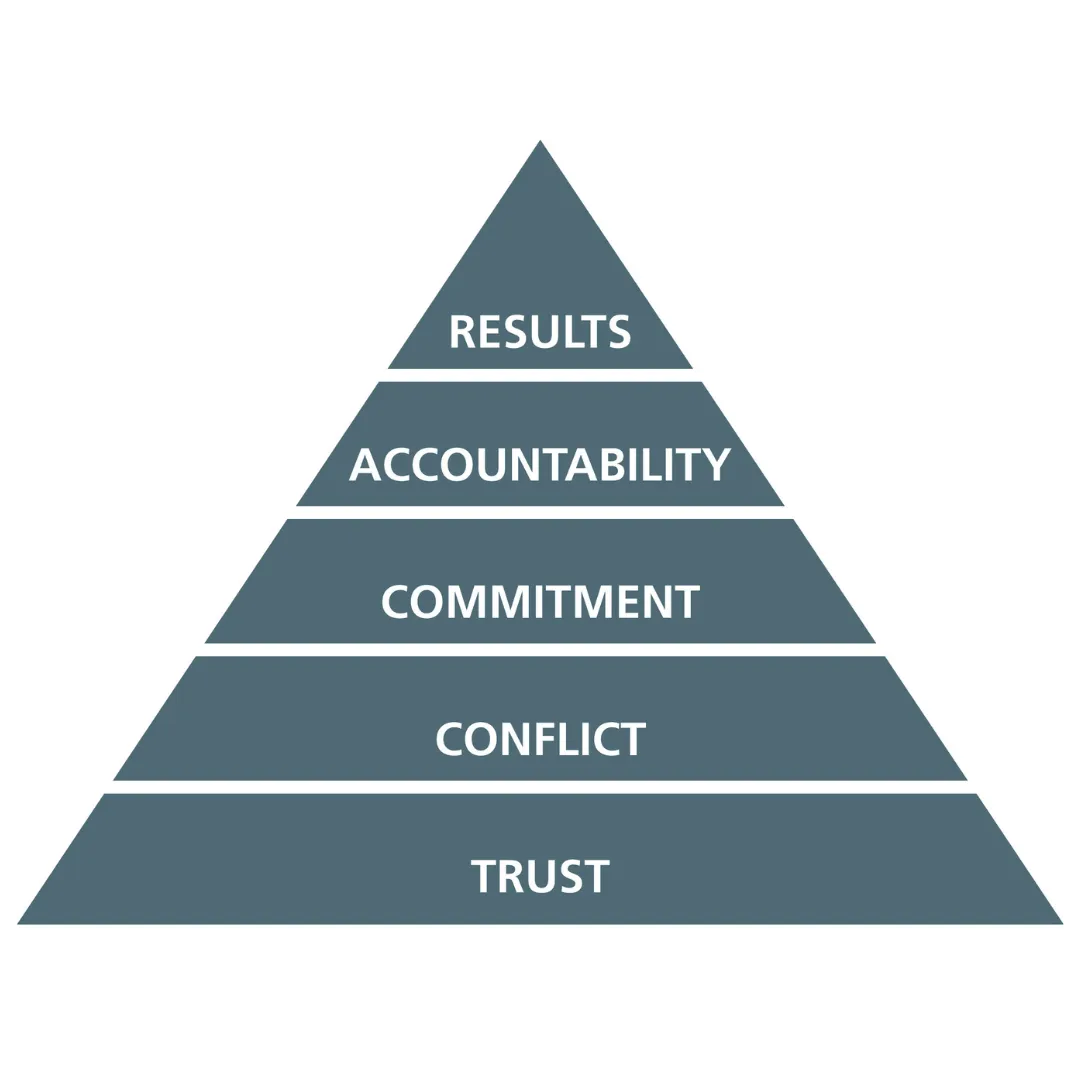
The Five Behaviors
Transform your team with Patrick Lencioni's proven framework for building trust, healthy conflict, commitment, peer-to-peer accountability, and a spirit of shared results. Based on the best selling book, The Five Dysfunctions of a Team.
Perfect for facilitators who need to:
Diagnose team dysfunction in a non-threatening way
Facilitate thought-provoking team building experiences with leader at all levels or functional teams
Improve collaboration among project teams
Build trust in newly formed or cross-functional teams
The optional integration of Everything DiSC allows team members to understand how their styles contribute to or hinder teamwork. Plus, an annotated facilitator's report gives you a page-by-page script of how to lead the team to success.
Looking for Do-It-Yourself Solutions?
Build the capacity, credibility, and confidence of your learning and development team by getting certified. We give you the training and tools you need to make the impact you desire at a cost you can afford.

Be inspired.
Take a deep dive into the research and profiles while joining a network of assessment lovers like you.
Expand your toolkit.
Get full facilitator kits with scripts, customizable PowerPoints, videos and online dashboards.

Build your expertise.
Earn continuing education credentia, while boosting your credibility and
your confidence.
Serve your team.
Make an impact on your organization. In fact, you could be the reason that people love their jobs again.
Hi there! I'm Amy Pearl.
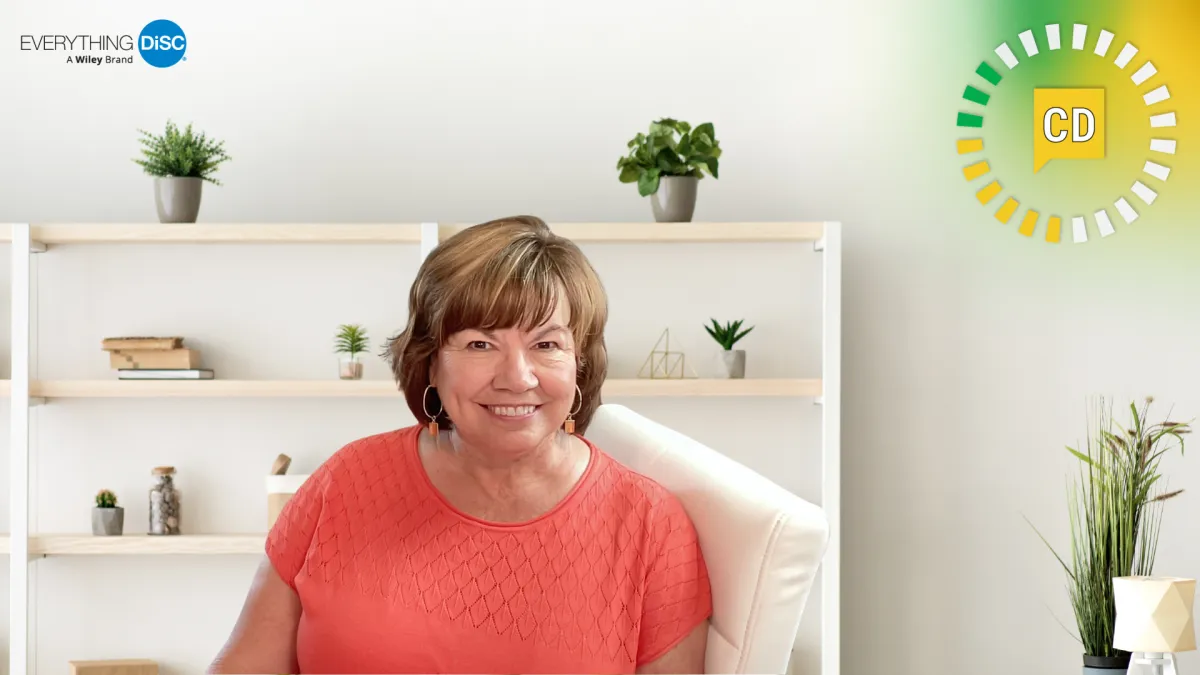
I'm so glad that you're exploring our assessment solutions. For three decades, I've used assessments in just about every imaginable application: candidate screening, leadership development, team building, training, succession planning, organizational analytics...the list goes on.
But, what I love best is working with Human Resources and L&D professionals who want to build their knowledge, toolkit, and confidence in using assessments. So, let's hop on a call to talk about your needs. No pushy sales conversations and no BS. 😉
You can see that in DiSC in am Conscientious and Dominant. So, we'll talk about your goals, weigh the pros and cons of various options, identify the best assessment for you.
I welcome the opportunity to help you thrive!
Look who's using our assessments today:


How to Get Results with Assessments:
Choose an assessment that's backed by science and research, but incredibly easy to implement.
Use the results throughout the employee experience, from candidate screening to learning to team development to career growth.
Drive performance, retention, engagement, change, and more outcomes by transforming your culture.
And don't worry. We are here to support you every step of the way!
Check out our recent news and blog.

Can DiSC Help Reduce Workplace Conflict?
Quick Answer:
DiSC helps resolve workplace conflict by giving people a framework to understand why they react the way they do, what triggers their unproductive behaviors, and how to communicate more effectively with colleagues who see the world differently. Whether you use the Catalyst platform for real-time advice on handling a tense situation, the Your Colleagues comparison to take the drama out of a strained relationship, or the Everything DiSC Productive Conflict assessment to help an entire team identify and change their destructive patterns, DiSC turns conflict from something people avoid into something teams can actually use to drive innovation, productivity, and higher levels of performance.
The Problem Isn't Conflict. It's How We Handle It.
Every team has conflict. Every single one. If a team tells you they never disagree, that's not a sign of health. It's a sign of artificial harmony, that people are holding back, avoiding tough conversations, and nodding along when they should be pushing back.
Conflict itself isn't the problem. In fact, when handled well, conflict can be one of the most productive forces on a team. It surfaces better ideas, challenges assumptions, and helps teams make stronger decisions. The problem is what happens when conflict goes sideways: when people stop listening, start blaming, and default to the behaviors that feel instinctive but actually make everything worse.
My go-to unproductive conflict behavior? Sarcasm. Just ask my husband. When I feel challenged or frustrated, my first instinct is to fire off something sharp and clever instead of saying what I actually mean. It feels satisfying in the moment and accomplishes absolutely nothing productive.
I'm not alone. Everyone has a default. Some people cave in and agree just to make the tension stop. Others get aggressive and try to overpower the conversation. Some go passive-aggressive. Some stonewall. Some gossip. The Everything DiSC Productive Conflict assessment identifies 18 destructive conflict behaviors, and when learners see the full list, almost everyone finds themselves somewhere on it:
Arguing, Belittling, Caving In, Defensiveness, Dismissing Others' Opinions, Becoming Overly Dramatic, Exaggerating the Problem, Exclusion (Leaving Others Out), Finger-Pointing/Blaming/Scapegoating, Gossiping/Complaining, Becoming Hypercritical, Overpowering, Passive-Aggressive, Revenge/Looking to Even the Score, Sabotage/Introducing Obstacles, Sarcasm, Stonewalling/Becoming Non-Receptive, and Withdrawing.
Read through that list slowly and be honest with yourself. Which ones show up for you in conflict? Which ones do you see on your team? That moment of recognition is where real change begins.
How Does Everything DiSC on Catalyst Help with Everyday Conflict?
You don't need a formal conflict resolution program to start using DiSC for healthier interactions. Even the most basic Everything DiSC Profile comes with built-in tools that help you navigate tension in real time.
When you look up a colleague on Catalyst, you can access personalized tips for handling a tense situation with that specific person based on the combination of your style and theirs. This isn't generic advice like "be a good listener." It's targeted guidance for how your particular style tends to clash with theirs and what you can do differently to keep the conversation productive.
Even better, Catalyst gives you strategies for proactively building strong connections with colleagues, which prevent conflict from becoming destructive in the first place. When you invest in understanding someone's priorities, motivators, and stressors before a disagreement surfaces, you have a foundation of trust that makes it easier to navigate tough conversations when they inevitably come up.
How Does the Your Colleagues Feature Help Repair Strained Relationships?
The Your Colleagues feature on Catalyst provides a simple yet powerful comparison between two people. It shows where two learners naturally align and, more importantly, where they don't see eye to eye.
This is one of the most underrated tools on the platform, and it's especially useful when a relationship has become strained. Instead of rehashing what went wrong or assigning blame, two colleagues can pull up their comparison and have a conversation grounded in style differences rather than personal grievances. It takes the drama out of the discussion and reframes it as "here's where our styles naturally create friction" instead of "here's why you're wrong."
I've used this tool to defuse tension that had been building between colleagues for months. Once people see that their differences aren't personal, they're behavioral, it becomes so much easier to talk about how to work together more effectively.
What Is Everything DiSC Productive Conflict and How Does It Work?
Everything DiSC Productive Conflict is a dedicated assessment and learning experience designed specifically for teams that want to transform how they handle disagreement. It goes deeper than the everyday Catalyst tools by helping each person understand their natural response to conflict, recognize the automatic thoughts and feelings that get triggered when tension arises, and develop strategies for delivering healthier, more productive responses.
The framework is grounded in the principles of cognitive behavioral therapy. When conflict shows up, your brain goes through a rapid sequence: a trigger happens, automatic thoughts fire, emotions follow, and then you behave (sometimes badly). Most of us never pause to examine that sequence. We just react. Productive Conflict teaches people to recognize those automatic thoughts in the moment and reframe them before they lead to destructive behavior. Instead of defaulting to sarcasm (guilty), defensiveness, or withdrawal, you learn to step back, challenge your own assumptions about what's happening, and choose a response that actually moves the conversation forward.
Teams can use Productive Conflict to identify which of the 18 destructive behaviors show up most frequently in their group. They can also identify which behaviors bother them the most. That combination is incredibly powerful because it creates the foundation for ground rules that the team builds together based on their own data, not some generic list from a textbook.
Download a copy of the Everything DiSC Productive Conflict Profile here.
A Team Exercise You Can Use Right Now
Here's an exercise I use in team building sessions that you can adapt for your own team. It works because it uses the team's real experiences, not hypothetical scenarios.
Step 1: Collect real examples. Before the session, ask each participant to come prepared with at least two examples of real conflict on the team. One should be a situation where the conflict was handled well and led to a good outcome. The other should be a situation where the conflict either wasn't resolved or was resolved poorly.
Step 2: Explore the healthy conflict examples first. Put participants in small groups and have them share their productive conflict stories. Then ask each group to identify what those situations had in common. The patterns that emerge are usually revealing. Teams often find that their healthy conflicts shared characteristics like a common desired outcome, frequent communication, mutual respect for each other's expertise, and sometimes even a time crunch that forced them to trust each other and stay focused.
Step 3: Explore the unhealthy conflict examples. Now have the small groups share their unproductive conflict stories. Here's the interesting part: teams often discover that many of them brought the same unproductive conflict example to the session. That alone is a powerful moment of awareness, because it tells you something about the team's patterns, not just individual behaviors.
Step 4: Connect the dots. Have each group choose one of the unproductive conflict examples and compare it against the criteria they identified in Step 2. Which of the things that made their productive conflicts successful did they skip or ignore in the unproductive one? Did they lose sight of the shared outcome? Did communication break down? Did respect disappear? Was it something else? This comparison gives the team a clear, specific understanding of what went wrong and what they can do differently next time.
This exercise works beautifully on its own, and it becomes even more powerful when combined with the Everything DiSC Productive Conflict Profile, because people can connect their behaviors in those real situations to their DiSC-based conflict patterns.
Q&A: Common Questions About DiSC and Workplace Conflict
Can DiSC help if someone on the team is just a really difficult person?
Here's the thing: most "difficult" people aren't actually trying to be difficult. They're operating from their own style, their own priorities, and their own stress responses, and when those clash with yours, it can feel personal even when it isn't. DiSC doesn't excuse bad behavior, but it does give you a lens for understanding where someone's behavior might be coming from, and that understanding often changes the entire dynamic. When you stop interpreting a colleague's directness as rudeness or their need for detail as a personal critique of your work, you free up a lot of energy that can go toward actually solving the problem.
And, let's face it. You are going to cross paths with some really difficult people who do have a hidden agenda along your very long career path. The important thing to remember is to not let their bad behaviors trigger bad behaviors in you. You're smart. You can beat them at their own game if you're armed with the right information and tactics.
How do I bring up DiSC in a conflict without it feeling forced or clinical?
You don't need to say "let's look at our DiSC profiles" in the middle of an argument. The goal is to internalize the framework so it becomes part of how you think, not something you pull out like a script. When you know that your colleague has a Steadiness style and needs time to process before responding, you naturally give them space instead of pushing for an immediate answer. When you know that your Dominant-style teammate is competitive, you find ways to win together or else you're likely to lose. DiSC works best when it's invisible, when it simply changes how you show up in the conversation without either person having to name it.
Is Productive Conflict appropriate for a team that's already in crisis?
You have some options here. Productive Conflict can be a great starting point because it focuses specifically on individual behaviors and practical ideas for improvement. That said, if the team has underlying trust issues, you may want to take a deeper dive with The Five Behaviors of a Cohesive Team to address the foundation first. The Five Behaviors Profile, based on Patrick Lencioni's book, The Five Dysfunctions of a Team helps teams objectively measure their levels of trust, healthy conflict, commitment, peer-to-peer accountability, and their spirit of shared results. DiSC is built right into it, so everything connects. For teams in crisis, this might be the better way to go.
Where can I get more conflict exercises and facilitation ideas?
I have a library of conflict exercises that I've built over years of team facilitation. If you'd like to explore what might work for your team, schedule a call with me and I'll share some ideas tailored to your situation.
🔥 Download: The Everything DiSC Facilitator's Dream Kit for ready-to-use activities, conversation guides, and reinforcement tools.