











Join Our Virtual Showcase:
Unleash the Power of Teamwork
December 8th 3:00 - 4:00 pm EST
Let's Grow Together
The way we work is fundamentally changing. New, hybrid workplaces, technological advances, and challenges in our global economy, are making it harder to keep up. Leaders are trying to navigate work-from-home arrangements, flexible schedules, cross-functional collaboration, and more. The ability for diverse teams to work together effectively and productively is more critical than ever.
The Five Behaviors can be your solution!
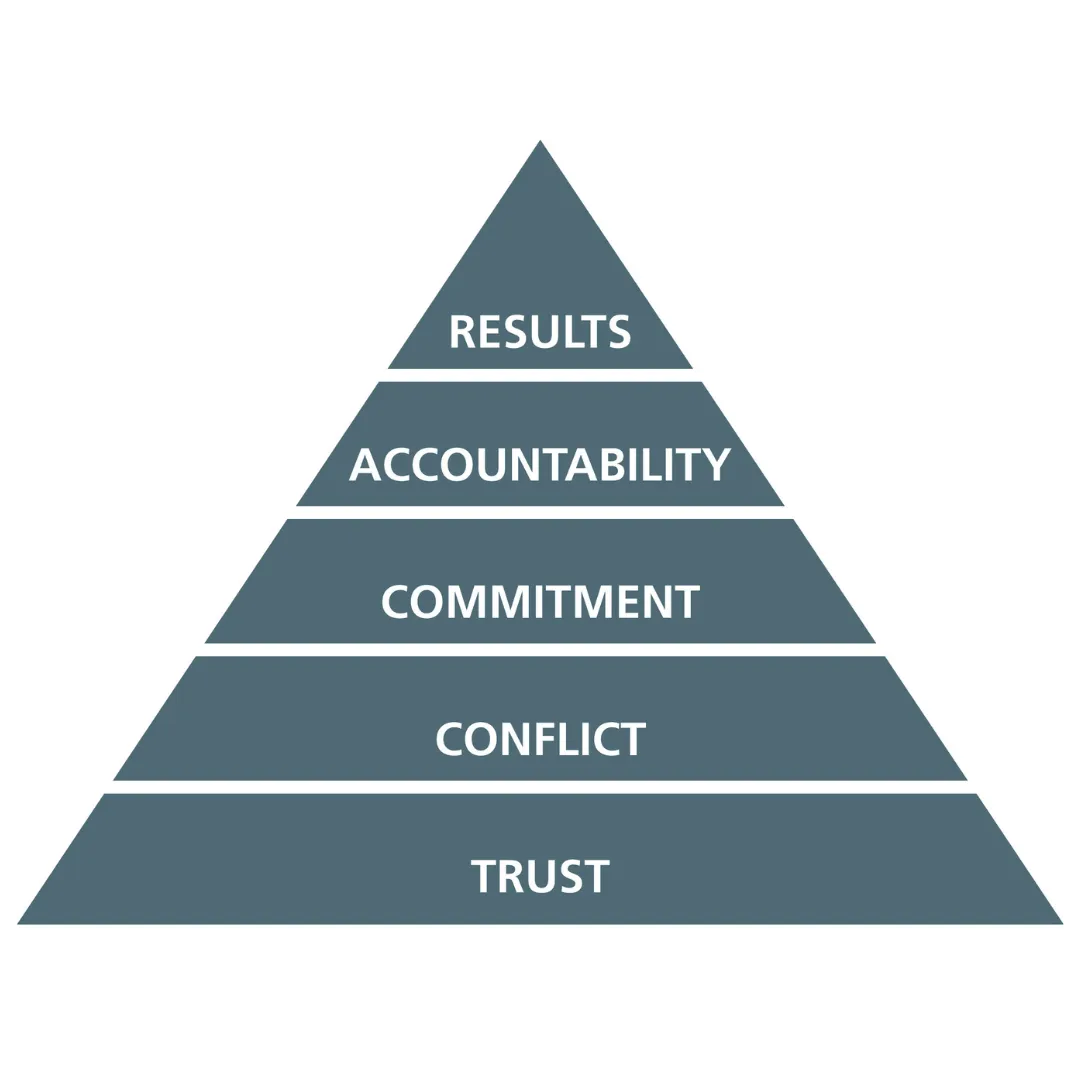
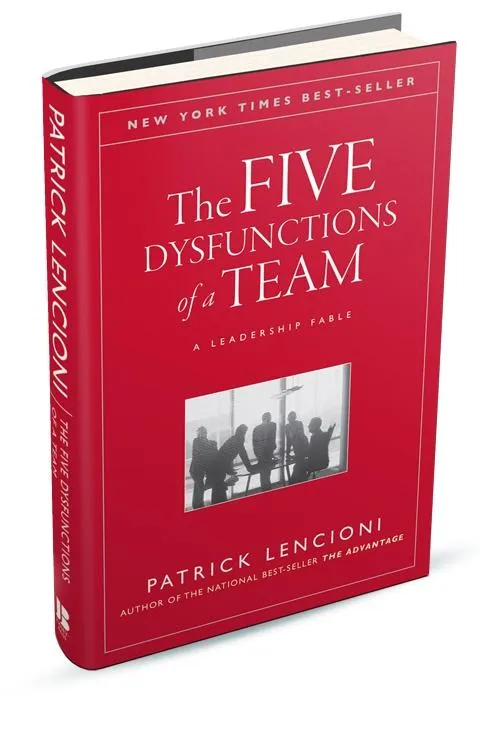
The Five Behaviors are based on Patrick Lencioni's best-selling book, "The Five Dysfunctions of a Team."
Our Five Behaviors Personal Development Profile provides personalized tips and recommendations for building trust, healthy conflict, commitment, peer-to-peer accountability, and a true spirit of shared results. Taking action based on what you'll learn will help unify your team, increase productivity, and create greater levels of satisfaction and fulfillment with your work.
In this virtual showcase, you will:
Receive a complimentary Personal Development Profile to identify your own team strengths and how you can personally demonstrate The Five Behaviors
Learn to leverage The Five Behaviors Model to unlock the power of teamwork at all levels of your organization
Preview The Five Behaviors Development Solution
Register here:
Speaker: Tricia Weinhold
Senior Brand Manager
Tricia has extensive experience in integrated marketing, brand, and communications strategy with an emphasis on digital marketing. Currently Wiley's Senior Brand Manager for The Five Behaviors, Tricia also led teams for HALO, a beloved juvenile brand. Her expertise, commitment and entrepreneurial mindset help her understand the needs of today's businesses.

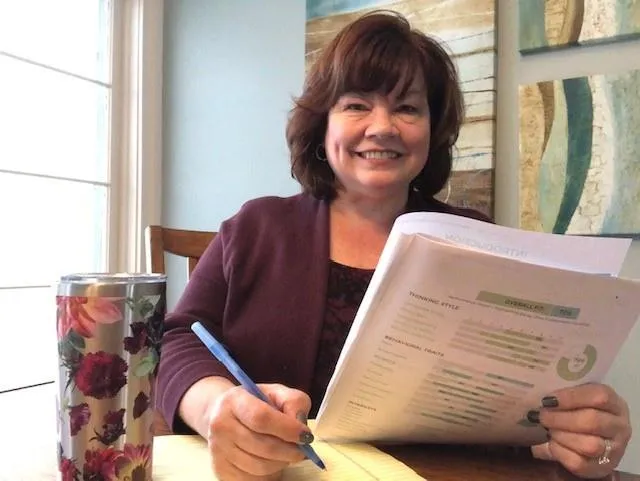
I'd love to see you!
ou know how much I love assessments. The Five Behaviors Profile and team event is an engaging and objective way to identify your team's strengths while creating a plan to be a more cohesive team in 2022.
I totally get it. Our team is working through the challenges of a hybrid workplace, too. We're using the 5B principles to make sure we are ready to keep growing and serving you in the future.
I think you'll really like it! Even if you can't make the virtual session on December 8 at 3 PM EST, at least take advantage of this opportunity to get the FREE profile for yourself!
Click the images below to achieve your goals.

Assessment
Solutions
Explore our assessments for candidate screening, development, team building, succession planning, and more.

Fabulous
Together
Give the women in your organization the coaching, confidence, and connections they need to have successful careers and a fabulous lives.

e-Learning
Made Easy
Create an amazing learning experience
whether your team is
at the office, at home, or on the go.

Lead
Ignited
Be the best leader you can be
with this award-winning
learning opportunity.
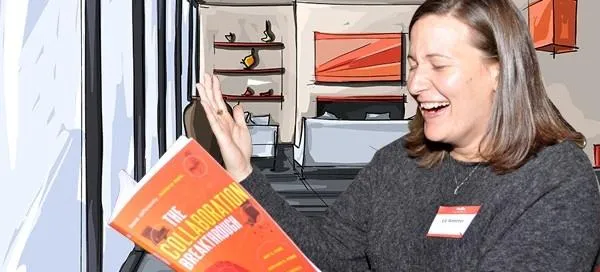
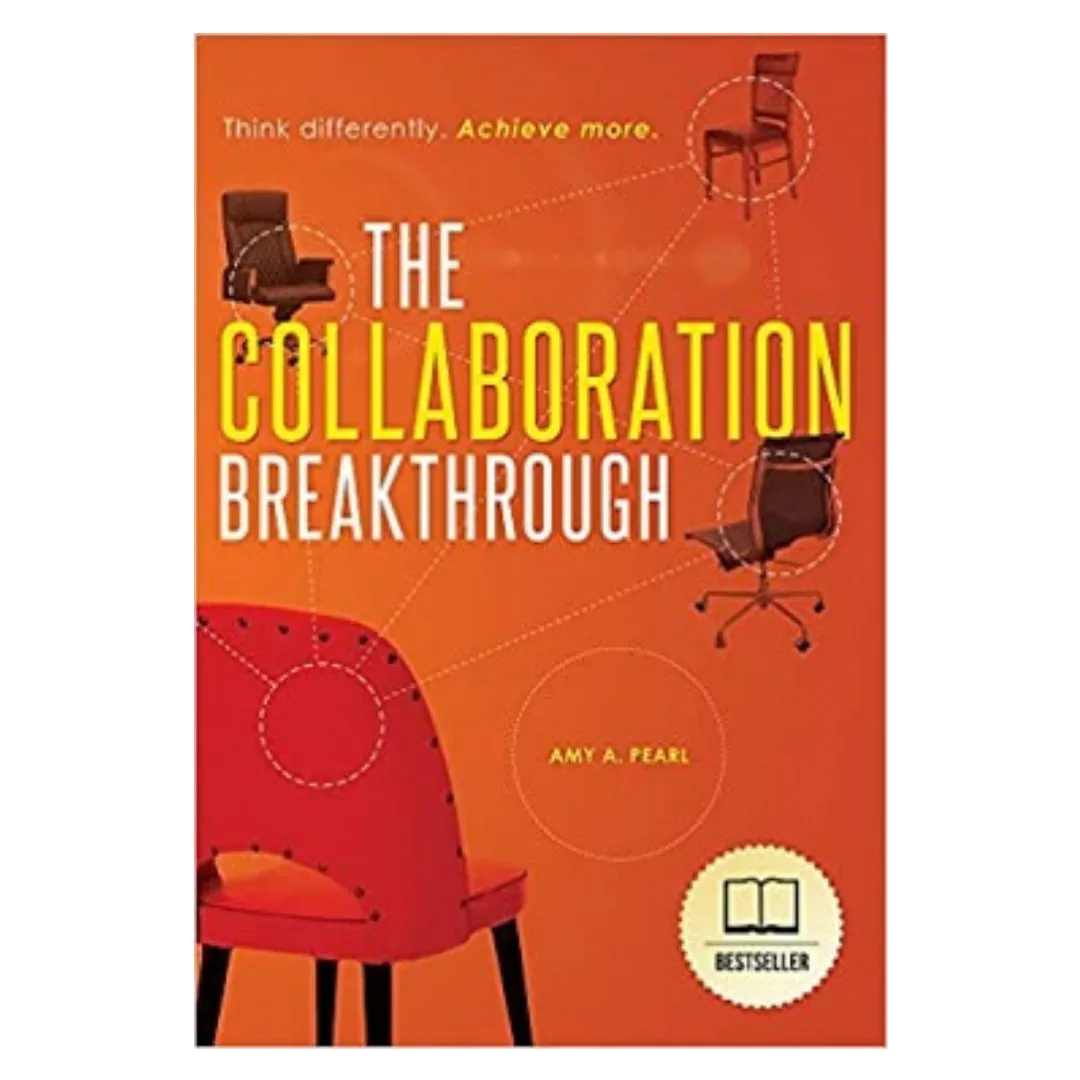
Collaboration
Breakthrough
Create a workplace you love with our best-selling book, employee survey, and interactive team experience.

Coaching
Conversations
Replace your archaic review process
with an online system to
guide GREAT conversations.
Download the Best Interview Questions
for Virtual Job Candidates
Look who's using our assessments today:



Check out our recent news and blog.
5 Mistakes DiSC Facilitators Make
What Are the Most Common Mistakes Facilitators Make When Teaching DiSC?
Quick Answer:
The five biggest DiSC facilitation mistakes all come down to one thing: focusing more on teaching the tool than transforming the people. Great facilitators know the spotlight belongs on the participants, not the presenter.
I wish I would have kept track of how many DiSC sessions I’ve facilitated over the last 25+ years. I am sure it’s hundreds, maybe more than 1,000. I have made many mistakes. I’ve learned from them and I want to share them with you, so that you can have the impact on your learners and organization that you desire.
Mistake #1. Making the Session About You Instead of Them
We’ve all done it. You prepare, you know the content cold, and before you know it, you’re the star of the show. The jokes land, the timing’s sharp, and people are laughing… but are they learning?
DiSC workshops work best when participants see themselves in the content, not you. Your job is to guide discovery, not deliver a monologue. Use personal stories sparingly, check your airtime, and remember: if you’re talking more than they are, you’re probably over-teaching and under-transforming.
Mistake #2. Failing to Facilitate Real Connections in the Room
Facilitators sometimes focus so much on sharing their passion for DiSC, following their planned activities, and sticking to their timed agenda that they forget to connect the people. On more than one occasion, I’ve had a well-meaning HR person point out that I was deviating from the agenda, but then, the business leaders in the room told me me that was the most meaningful and impactful part of the session.
A great DiSC experience isn’t about letters and scripts. It’s about helping teammates understand and value each other. When participants walk away saying, “I learned something about us,” you’ve nailed it. Build small-group conversations, pair shares, and discussions about real life into your agenda. Those connections are what make the learning stick.
Mistake #3. Designing the Session Around Your Own Style
It’s human nature: we teach the way we like to learn.
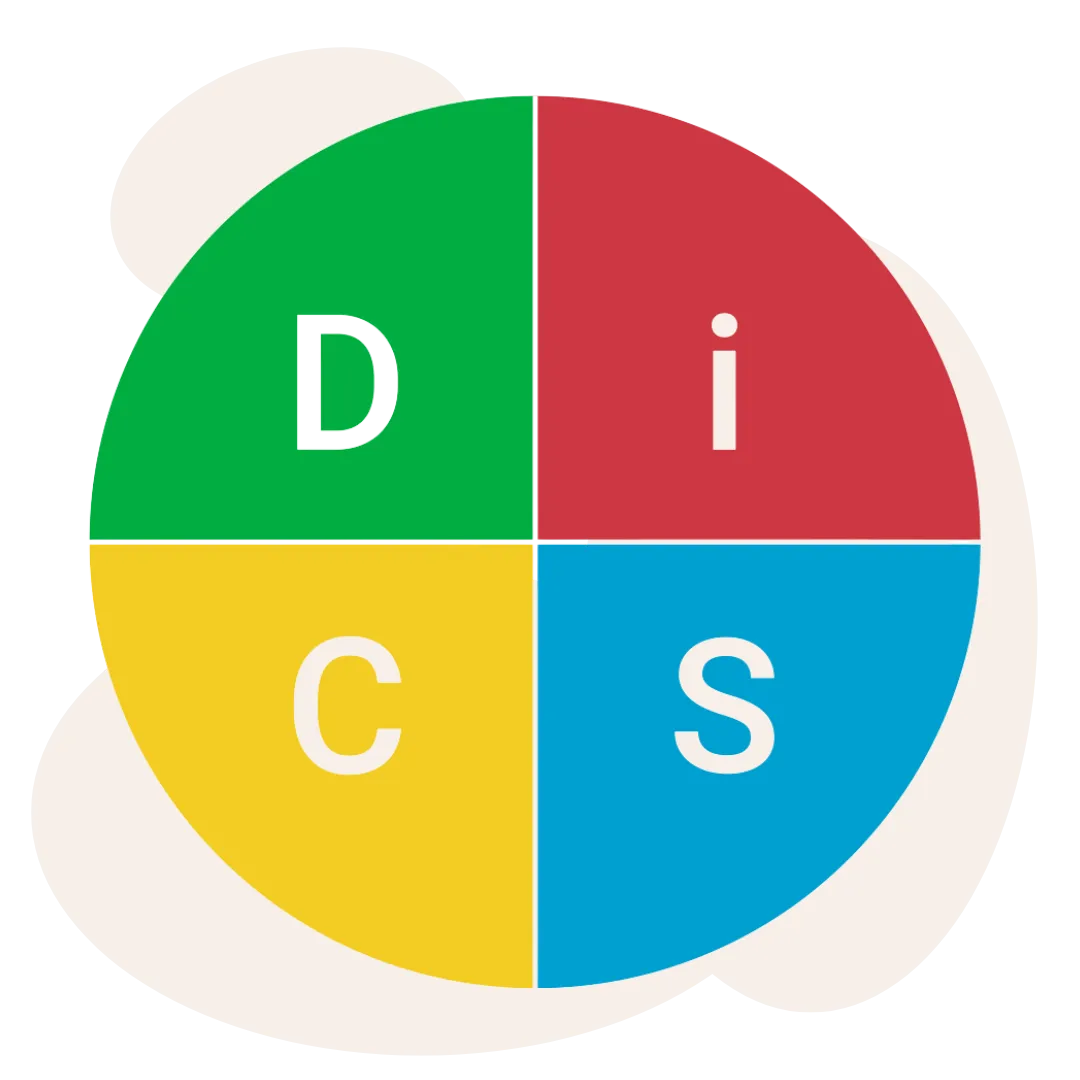
A high-D facilitator might push through everything to get to the point.
A high-i facilitator might pack the session with games and breakout energy.
A high-S facilitator might create deep, thoughtful discussions.
A high-C facilitator might take a deep dive into data and analysis.
But if you design every workshop around your DiSC style, you'll lose three-quarters of the room.
The solution? Balance your session agenda intentionally. Mix in a short wrong way/right way video for the C’s, an energizer for the i’s, pair discussions for the S’s, and some competition for the D’s. The more variety, the broader your impact.
4. Not Linking DiSC to Real Business Problems
This is a big one. Too many workshops stay theoretical without ever asking, “What’s really happening on your team?” Every DiSC session should connect directly to business reality:
What goals need to be achieved and what traits will help the team to achieve them?
Communication breakdowns? Use Catalyst comparisons to diagnose them.
Low morale? Explore what each style needs to stay motivated.
Departmental friction? Have groups map their styles to see how dynamics form.
When participants tie DiSC insights to real challenges, the learning becomes practical, not theoretical and that’s when behavior starts to change.
5. Forgetting the Follow-Up
Even the best workshop fades fast if there’s no reinforcement. DiSC isn’t a one-and-done. It’s a language you have to keep speaking. A simple follow-up can make all the difference:
Send a Catalyst reflection question a week after your workshop.
Host a 15-minute “DiSC in Action” check-in or small group coaching session once a month.
Give leaders a micro-habit challenge (e.g., Adapt one sentence in your next coaching conversation).
The goal isn’t more training. It’s sustained transformation.
Final Thoughts
If you’ve made some of these mistakes, you’re in good company. Every skilled facilitator has. The difference between a good workshop and a great one is your own awareness. When you shift your focus from delivering content to creating connection, everything changes - energy, engagement, behavior change, and long-term results!
🚀 Your Next Step: Download the DiSC Facilitators Dream Kit
Click here to get 20 easy-to-lead activities to make your workshops more engaging and impactful!