

















Ignite your passion.
Ignite your team.
Ignite your workplace.

Do your leaders need foundational supervisory skills for
building and managing motivated, high performing teams?
In Launch Into Leadership, your leaders will transform from
super-doers to super-supervisors by:
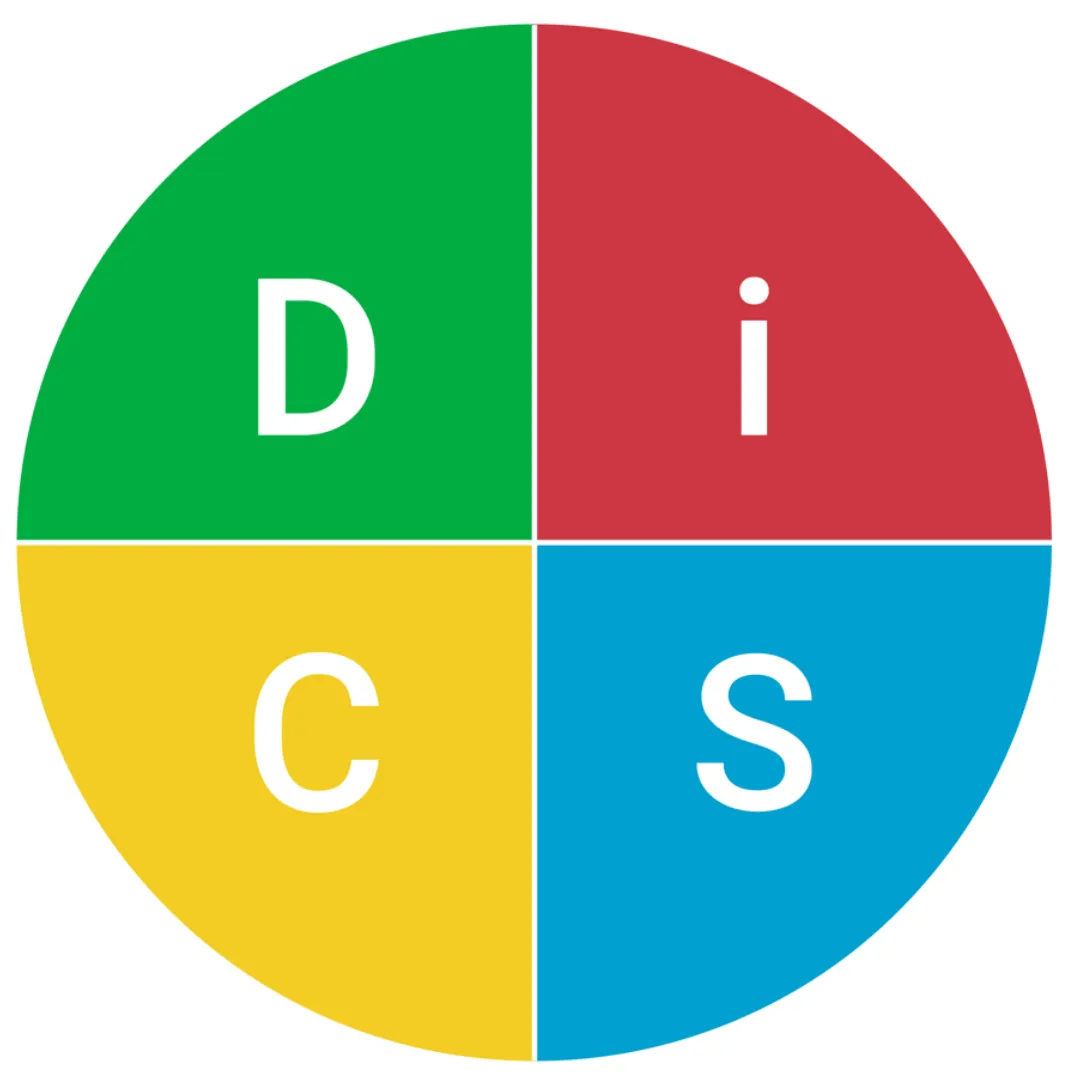
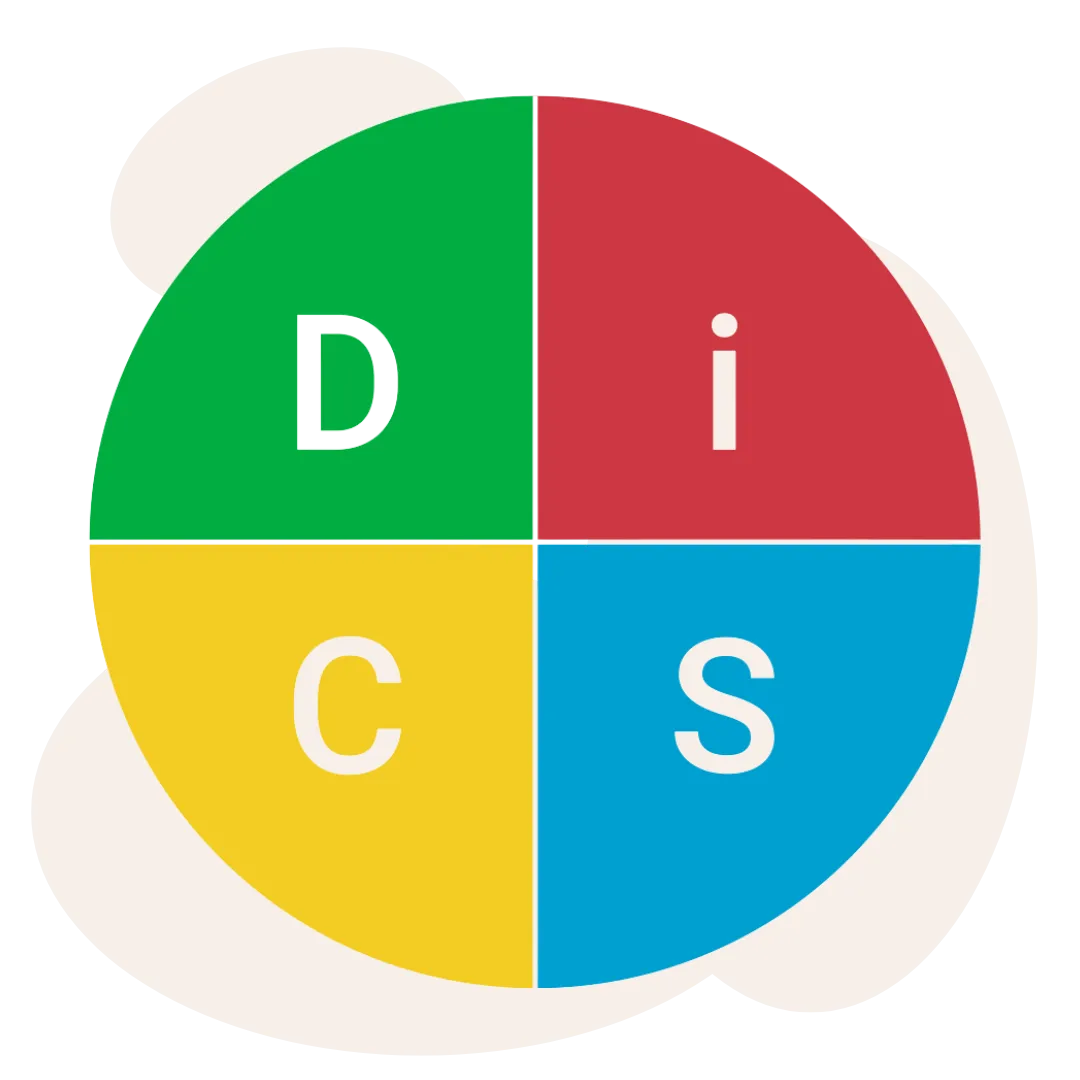
Learning about their personal styles, priorities, and motivators using Everything DiSC
Understanding the unique attributes of others to create a motivating environment for their team members
Building conversation techniques for connecting, handling tense situations, and influencing others
Getting organized with planning, prioritizing, and reporting templates
Learning to set clear expectations, celebrate successes, and have tough conversations to manage performance
Getting frameworks for interviewing job candidates, delegating, developing people, keeping conflict productive
Learning the 4 C's of a high performing team: clarity, communication, cooperation, and collaboration
Spending their time in a way that capitalizes on their strengths and ignites their days!
Today's workforce wants to find purpose and meaning in their work, to experience a spirit of camaraderie in their workplaces, and to feel valued for what is truly important to them. We'll help your supervisors develop an appreciation for each team member and use that insight to guide their actions in a fair, firm, and friendly way.
Here are All the Details
Sometimes you have a large group of learners and other times just one or two.
So, Launch Into Leadership comes in two flavors.

Option 1: Large Group Learning
Your supervisors will participate in 8 one-hour, interactive and insightful workshops to build relationships while getting the frameworks they need to succeed.

Option 2: One-on-One Learning
Your supervisor will use 8 online learning modules to build their toolkit plus 4 one-on-one coaching sessions to build skills, accountability, and confidence.
Everything DiSC on Catalyst to gain self-awareness and get strategies for building relationships and creating a motivating environment for others.
Quick Reference Cards to remember the most important points and to document go forward action steps.
Manager's Toolkit for the participants' supervisors to guide coaching conversations following each session to ensure the application of new skills.
Topics covered in both options include:
Session 1: Communicating
with Everything DiSC
Use your personal DiSC Profile to identify your strengths and the styles of your coworkers in order to build relationships, influence others, and create a motivating environment for your team.
Session 2: Planning, Prioritizing & Reporting
Get simple frameworks for managing time, staying focused on priorities, and promoting your team's accomplishments.
Session 3:
Setting Expectations
Create a foundation for individual accountability by clearly setting expectations for results and behaviors established in your organization's core values.
Session 4:
Coaching on the Go
Deliver meaningful feedback by celebrating successes to keep people on a positive path while having thoughtful discussions with those who fall off track.
Session 5:
Delegating &
Developing People
Build your trust in your team while boosting their potential to contribute at a higher level through simple processes for delegation and career development.
Session 6:
Resolving Conflict
Confidently facilitate conflict resolution discussions when two or more teammates don't see eye-to-eye to create agreement and clear path for working more effectively together.
Session 7:
Interviewing for Fit
Identify the ingredients necessary for your team's success and create interview templates to ensure new hire have the right knowledge, skills, and behaviors for success.
Session 8:
The 4 C's of Teamwork
Get frameworks for building clarity, commitment, cooperation and collaboration. This is also our graduation celebration complete with speeches and diplomas!
Hi. I'm Amy Pearl.
Thank you for exploring our supervisory training options.
I've dedicated my life to helping leaders build the skills and behaviors to create high performing teams and motivating workplaces. I'd love to help your team, too!
I created the frameworks in Launch Into Leadership over 3 decades, first, as a corporate gal working for a big bank and then, by coaching hundreds of professionals, from CEO's of multi-billion dollar companies to high potentials just starting out. I've gained a reputation as a no-nonsense yet fun-loving coach who asks thought-provoking questions and delivers actionable ideas.
Whether you have one supervisor or fifty, let's help them get started or boost their skills today!
Choose Your Option
One PARTICIPANT
$1,497
4 One-on-One Coaching Sessions
8 Online Learning Modules
Everything DiSC on Catalyst
Quick Reference Cards

Upon completion of your purchase, I'll schedule a Kickoff Call with the participant and their supervisor to get the ball rolling!
Multiple participants
Call for Pricing
8 Live Training Sessions
Everything DiSC on Catalyst
Qjick Reference Cards
Clicking on the button above will take you to Amy's calendar. We can talk about your needs and chart your next steps!
We are proud to have graduates from
amazing organizations including:


Here are the answers to some questions you might have...
How many supervisors can participate at one time?
You can include as many supervisors as you'd like, since our sessions are virtual. We use lots of breakouts rooms and other ways to engage your learners, so large groups are fine with us.
If you have just one supervisor, choose the One-on-One Learning program for one participant above.
If you have 2 or 3 participants, we can create a hybrid option. Schedule a call with Amy to talk about your needs.
Who is the ideal participant for Launch Into Leadership?
The ideal participant is a new or emerging supervisor who wants to build self-awareness, communication skills, performance management techniques, and other basic frameworks for success. More experienced, mid-level or senior leaders who need to refine their leadership habits or prepare for the next level in their careers would likely benefit from our more extensive one-on-one coaching engagements or our Lead Ignited program.

How do I know the frameworks taught in Launch Into Leadership will stick?
Our goal is to achieve your goals. So, we begin by meeting with you to understand your objectives. We encourage participants to meet with their supervisors following our sessions to share what they've learned and identify ways to implement their new frameworks on the job. Participants' managers receive a Manager's Toolkit outlining each session and providing coaching questions to build accountability and sustainability of the participants' new skills.
How are the sessions structured?
For our one-on-one participants, we typically schedule our sessions every 2-3 weeks. In between, they complete our online learning modules. This ensures they can manage the learning load, build new skills, and get personalized attention to address their unique needs.
For our group program, we typically schedule the one-hour learning sessions every two weeks spanning a four month period. This gives the participants time to practice their new skills in between. To expedite the program, we can double-up on topics by offering two hour sessions. We'll work to meet your scheduling needs.
What is the cost?
At Work Ignited, we recognize that the fee for our services is your investment in anticipation of higher levels of performance and ultimately, greater financial return. So we strive to offer our high quality service at a fair value.
The fee for the one-on-one learning option is $1,497 including coaching time, access to the online learning modules for one year, and the Everything DiSC Profile.
Group programs are priced based on the number of participants and the structure of the sessions. Schedule a call with Amy to talk about options.
Let's launch your leaders to success!
The best time to help your leaders succeed is today.
So many new and emerging leaders started working in the work-from-home/hybrid workplace era. As a result, they haven't had the exposure to high performing leaders or the time to dedicate to building their own supervisory skills. Now, they are scrambling (or relying on you) to manage day-to-day tasks, build accountability, and grow their teams.
I truly believe that there's never been a better (or more important) time to double down on building supervisory skills. Today's workforce is looking for supervisors who are fair, firm, and friendly. Your super-doers can be turned into super-supervisors in just a short time. They just need proven frameworks and an intentional learning process to build the habits that will lead to their success.
I want your supervisors to feel proud of what they accomplish and confident in what thet can achieve.
Let's chat to get Launch Into Leadership scheduled for your supervisors.
Amy

Choose Your Option
One PARTICIPANT
$1,497
4 One-on-One Coaching Sessions
8 Online Learning Modules
Everything DiSC on Catalyst
Quick Reference Cards
Upon completion of your purchase, I'll schedule a Kickoff Call with the participant and their supervisor to get the ball rolling!
Multiple participants
Call for Pricing
8 Live Training Sessions
Everything DiSC on Catalyst
Qjick Reference Cards
Clicking on the button above will take you to Amy's calendar. We can talk about your needs and chart your next steps!
Let's do this!
Click the images below to achieve your goals.

Assessment
Solutions
Explore our assessments for candidate screening, development, team building, succession planning, and more.

Fabulous
Together
Give the women in your organization the coaching, confidence, and connections they need to have successful careers and a fabulous lives.

e-Learning
Made Easy
Create an amazing learning experience
whether your team is
at the office, at home, or on the go.

Lead
Ignited
Be the best leader you can be
with this award-winning
learning opportunity.

Collaboration
Breakthrough
Create a workplace you love with our best-selling book, employee survey, and interactive team experience.

Coaching
Conversations
Replace your archaic review process
with an online system to
guide GREAT conversations.
Download the Best Interview Questions
for Virtual Job Candidates
Check out our recent news and blog.

Should You Hire a Candidate if Their Assessment Results Don't Match Your Ideal Profile?
Quick Answer
Sometimes, yes. Failure to perfectly match a target job profile doesn’t automatically disqualify someone. What actually matters is which specific area is off, how far off it is, and whether the trait in question tends to be fixed or one that flexes with coaching and experience. A mismatch is a prompt to ask better questions, not a verdict handed down by a graph.
This is one of the questions I get asked most often, usually by a hiring manager staring at a report with a slightly furrowed brow, wondering if they’re allowed to like a candidate the results don't fully endorse. You are. A fit score is a compass, guiding you to ask better questions in your follow up interviews and reference checks.
Once upon a time, I was working with a leadership team of a small manufacturing company and I ran into a funny fit dilemma. Often, executives have three common Motivational Interests. They tend to be interested in business activities like sales and delivering presentations, financial activities like budgeting and managing the numbers, and either serving people (if they are people-oriented) or technical activities (if they are more task-oriented). Well, almost every member of this particular leadership team was motivated by mechanical pursuits like hands-on activities and building things. You might say, "well, of course, Amy, it's a manufacturing company." Remember, these were executives who advanced beyond the day-to-day work. A preference for mechanical work could have resulted in them spending too much time in the weeds versus focusing on business strategy and leadership.
Here's the funny thing...as I got to know them, I learned that they all owned, built, or drove race cars. In fact, it was something that brought them all together and it was the outlet for their mechanical desires. But, if you just looked at their assessment results, you might not have hired them assuming that they had stronger preferences for doing the work rather than leading the organization.
No candidate is perfect and an assessment is not meant to be a yes-or-no decision maker. It's a tool to guide your actions through the balance of the hiring process, as well as the coaching approach you'll initiate on Day 1 if you choose to hire the candidate.
Follow these 5 steps as a guide to determine how risky the hiring mismatch might be.
1. Figure Out Which Kind of Mismatch You’re Looking At
Not all mismatches carry the same weight, and treating them like they do is where most hiring managers go wrong. A critical thinking or thinking style mismatch, especially one below the range for a role with real cognitive demands, matters more than people usually assume, because it tends to reflect a fairly stable ceiling rather than something that improves with training. Behavioral and personality mismatches are a different animal entirely. Someone who’s more unassuming than a role’s Performance Model calls for isn’t lacking a fixed ability, they simply default to a different style, one that can shift situationally when the role demands it. A Motivational Interests mismatch sits somewhere in between: it’s not about capability at all, it’s about whether the day-to-day work is likely to hold someone’s attention long term.
Note: Different assessments measure different things. If you aren't using a comprehensive tool, check out my blog post called "What Do Pre-Employment Assessments Actually Measure?"
2. How Far Off Is “Off”?
Context matters as much as direction. Remember that no one is ever a perfect match. You will likely see candidates whose scores are above or below your desired range. How important is that characteristic for success in the position, for the hiring manager, and to support the organization's culture? It might be a gap that isn't very important to you. Also consider how far out of the range the score actually is. Is it just a tad bit outside of the range? Or, does a candidate bringing more of something to the table present new opportunities for you?
3. Some Traits Flex More Than Others
This is worth understanding on its own, because it changes how forgiving you can afford to be. Behaviors and personality traits live on a continuum, and some people can flex toward the other end of that continuum situationally, especially with the right coaching and enough motivation to do it. An unassuming candidate might learn to speak up especially once they become comfortable in the role. A more deliberate decision-maker can learn to move faster when you're clear about priorities and timelines.
Critical thinking skills don't flex the same way. The research I’ve written about before is fairly consistent that cognitive ability is one of the more stable traits a person carries into adulthood, which means a real gap there deserves more caution than an equivalent-looking gap in a behavioral scale.
4. How Big is the Impact?
It's worth considering the real cost of being wrong in either direction for a specific role based on the scope and breadth of that role. A professional individual contributor role and a role managing a team of twelve carry very different stakes for the same size of mismatch.
5. How Much am I Willing to Coach?
Finally, hiring managers should be realistic in how much time and effort they are willing to put into the coaching process. Some managers have a real gift for developing talent and thrive on the ability to help people grow into successful contributors. For other managers, this falls to the bottom of the priority list. If it's a coachable trait and you're willing to put the time in, go for it!
When a Mismatch Is Actually a Yellow Flag, Not a Red One
A miss on a few characteristics, paired with a strong interview and solid references, is usually a yellow flag worth exploring rather than a reason to pass. Ask direct, specific questions about the gaps. If a role calls for someone more autonomous and the candidate’s results lean more reliant, ask them to walk you through a time they had to make a significant decision with minimal guidance, and listen for whether they actually did it, or whether they froze and waited for someone else to step in. The answer tells you far more than the score alone ever could. The good news is that assessments like PXT Select provide recommended interview questions to help you determine how an individual has closed those gaps in the past. It makes it easy for recruiters and hiring managers to quickly learn how big a risk it actually is. Download a sample of the PXT Comprehensive Selection Report here.
When to Actually Say No
Some mismatches deserve real weight, and pretending otherwise does nobody any favors. A significant gap in critical thinking skills for a role where the complexity is going to climb is worth taking seriously. The same goes for other characteristics that you know are essential for success in the position, with the team, and in the organization. A borderline mismatch that you validate with a shaky reference or a vague interview answer, might also become a "no go." One yellow flag alone rarely means no. Several pointing the same direction usually does.
Questions People Often Ask Me
What if the mismatch is specifically in critical thinking skills or thinking style? Take it more seriously than a behavior, personality, or motivational interests mismatch of similar size, particularly if the role’s complexity is likely to grow over time.
Can someone “outperform” a lower fit score? Yes, especially when the gap is in a flexible trait, the rest of the evidence/interview/references is strong, and the coaching process starts on Day 1. Fit scores describe a tendency, not a guarantee. Download a sample of the PXT Select Coaching Report to see how it can give you a quick boost for understanding and closing gaps with your new hires.
What if HR loves a candidate but the assessment results don’t match? That’s not a contradiction to resolve in favor of one side automatically. Assessments open your eyes to things you might miss and other people will likely have different perspectives. Check out my blog post "3 is the Magic Number Behind Every Great Hire" to learn how to overcome perception mismatches.
Should I tell a candidate about their fit or match to our target profile? I do not recommend that you share assessment results with candidates until you hire them. And then, absolutely yes, you should integrate the results into several steps on the onboarding path. Explore all the PXT Select Reports to get ideas for using assessment results post-hire. It's a great way to maximize the return on your investment in candidate screening assessments.
Is there a fit so poor I should never proceed? There’s no hard universal cutoff, but a very low score combined with real concerns from the interview or references is a different situation than a moderate score standing alone. After you use an assessment tool for a while, you'll start to get a feel for thresholds you are willing to tolerate and characteristics that are particularly important to your organization.
Does the answer change for an internal promotion versus an external hire? Somewhat. With an internal candidate, you usually have years of actual observed performance to weigh against the assessment, which is far richer evidence than an interview and references for an external candidate. That track record should carry real weight alongside the fit score, not get overridden by it. Warning! Don't be tempted to skip the assessment, just because you know the individual. The objective data an assessment provides is an excellent way to eliminate bias in your promotional decisions while understanding the potential strengths and risks of the employee moving into a new position.
Where to Go From Here
If you haven’t read "3 is the Magic Number Behind Every Great Hire," it’s the piece that explains why a mismatch should never be the sole deciding factor in the first place. And if you want to understand exactly how a Performance Model or job profile gets built, "What is a Job Profile?" walks through that in full.
A lower fit is information, not a final determination. Use it to ask better questions, not to make the decision for you.
Want to talk through a specific candidate's questionable results? Book a free demo and I’ll walk you through exactly how to intepret results that aren't cut and dried.
Stay Ignited!